
Rain does not have to ruin a family day in Tokyo.
The city has excellent indoor playgrounds, aquariums, interactive museums and amusement attractions that can easily fill several hours — and many are conveniently reached by train.
Indoor attractions are also useful during Tokyo’s hot and humid summer months or on cold winter days when younger children need a break from walking outdoors.
Quick Answer: What Are the Best Indoor Things to Do in Tokyo With Kids?
Our top picks depend on your child’s age.
For toddlers and younger children, start with ASOBono! at Tokyo Dome City or Chikyuu no Niwa at Tokyo Solamachi.
For children who enjoy role-playing and hands-on activities, KidZania Tokyo is one of the strongest choices.
For something the entire family can experience together, consider teamLab Planets or Sumida Aquarium. Older children and teenagers may particularly enjoy Tokyo Joypolis.
Best Indoor Tokyo Attractions for Families at a Glance
| Attraction | Best For | Area | Time to Allow |
|---|---|---|---|
| ASOBono! | Toddlers and younger children who need active play | Tokyo Dome City | 1.5–3 hours |
| KidZania Tokyo | Ages 3–15 who enjoy role-playing and trying different jobs | Toyosu | Half day |
| teamLab Planets | Families wanting a memorable immersive experience | Toyosu / Shin-Toyosu | 1.5–2.5 hours |
| Chikyuu no Niwa | Babies, toddlers and elementary-age children | Tokyo Skytree Town | 1.5–3 hours |
| Sumida Aquarium | All ages and families wanting a calmer indoor activity | Tokyo Skytree Town | 1.5–2 hours |
| Tokyo Joypolis | Older children, teenagers and families who like rides and games | Odaiba | 2–4 hours |
Best rainy-day strategy: Choose an attraction inside or next to a large commercial complex. You can combine the attraction with lunch, shopping and another indoor activity without repeatedly going outside in bad weather.
Which Indoor Attraction Should You Choose?
| If Your Family Wants… | Start With… |
|---|---|
| A place for toddlers to run and play | ASOBono! or Chikyuu no Niwa |
| Hands-on educational role-play | KidZania Tokyo |
| An experience adults will enjoy too | teamLab Planets |
| A relaxed attraction for mixed ages | Sumida Aquarium |
| Rides, games and excitement | Tokyo Joypolis |
| Several indoor activities in one area | Tokyo Skytree Town, Toyosu or Odaiba |
Indoor Attractions Are Not Just for Rainy Days
Tokyo’s weather can make indoor attractions valuable at several times of year.
Rainy Season
Japan’s early-summer rainy season can bring long periods of wet weather, so having one or two indoor days in your itinerary gives you useful flexibility.
Hot Summer Days
Tokyo can be extremely hot and humid in summer. Spending the hottest part of the afternoon indoors can be much easier with young children.
Cold Winter Days
Indoor attractions give families a warm alternative when children have had enough outdoor sightseeing.
Jet Lag or Low-Energy Days
A flexible indoor playground, aquarium or shopping-complex attraction can also work well when your children are tired and you do not want to commit to a complicated sightseeing schedule.
Book the Popular Attractions Before a Rainy Day Arrives
One downside of rainy weather is that many other families have exactly the same idea.
Popular indoor attractions can become much busier on weekends, holidays and rainy days, and some use timed or capacity-controlled admission.
Do not wait for the rain to start: If an indoor attraction is one of your must-do activities, check its reservation system and ticket availability before your trip.
Best Areas for an Indoor Family Day
Some Tokyo neighborhoods are especially useful because you can combine several family activities without traveling across the city.
| Area | Why It Works Well |
|---|---|
| Toyosu | KidZania, teamLab Planets, shopping and restaurants can all fit into the same general area. |
| Tokyo Skytree Town | Chikyuu no Niwa, Sumida Aquarium, shopping and restaurants provide several indoor options in one complex. |
| Odaiba | Tokyo Joypolis can be combined with shopping, restaurants and other waterfront attractions. |
| Tokyo Dome City | ASOBono! is particularly useful for younger children, with restaurants and other facilities nearby. |
With young children: One well-chosen area with two or three possible activities is usually better than crossing Tokyo several times trying to visit every attraction on the same rainy day.
1. ASOBono! at Tokyo Dome City
ASOBono! is one of the best indoor choices in central Tokyo when younger children simply need space to play.
Rather than being a sightseeing attraction where children spend most of their time looking at exhibits, ASOBono! is designed around active and imaginative play.
| Best For | Babies, toddlers and preschool-age children |
| Location | Tokyo Dome City, Bunkyo |
| Nearest Stations | Suidobashi, Korakuen and Kasuga |
| Suggested Time | About 1.5–3 hours |
| Best Weather Use | Rainy days, very hot afternoons and cold winter days |
What Is ASOBono!?
ASOBono! is a large indoor children’s play facility inside Tokyo Dome City.
Tokyo Dome City describes it as primarily aimed at younger children and families, particularly preschoolers from ages 0–6, although children through elementary-school age can use the facility.
Instead of one large play area, the facility is divided into themed zones offering different types of play.
Children Can Enjoy:
✓ Large ball-pool and active-play areas
✓ Slides and climbing activities
✓ Trampolines
✓ Toy trains and railway tracks
✓ Cars and construction toys
✓ Pretend shops and role-play
✓ Blocks and creative activities
Is ASOBono! Good for Babies?
Yes.
There is a separate baby-only area for ages 0–24 months, which makes ASOBono! particularly useful for families traveling with a baby and an older preschool-age child.
Baby facilities include space for nursing and diaper changing.
Best for: Families whose children need physical play rather than another museum or sightseeing stop. It can be especially useful after several days of temples, trains and adult-focused sightseeing.
What About Strollers?
ASOBono! provides stroller storage near the facility. Strollers should be folded when stored, and some secured storage spaces are limited.
With a baby: Keep your essential baby items in a small bag that you can easily remove from the stroller before putting it into storage.
How Long Should You Spend at ASOBono!?
For most visiting families, around 1.5 to 3 hours is a useful starting point.
Younger children may be perfectly happy staying longer, but ASOBono! also works well as just one part of a relaxed Tokyo Dome City day.
Do not overschedule: If your toddler is happily playing, this may be a better use of a rainy afternoon than trying to squeeze in another cross-city attraction.
ASOBono! Tickets & Crowds
Standard admission is time-based, with longer-stay options available on applicable days.
Regular admission reservations are not generally offered in the same way as a timed museum ticket, and Tokyo Dome City warns that visitors may have to wait — or may not be admitted — when the facility reaches capacity.
On selected days, a date-specific Morning Skip Pass can also provide priority early entry.
Rainy-day tip: Arriving earlier can be worthwhile because indoor playgrounds become much more attractive to local families when the weather turns bad.
How to Get to ASOBono! by Train
Tokyo Dome City is served by several railway and subway stations:
JR: Suidobashi Station
Toei Mita Line: Suidobashi Station
Tokyo Metro Marunouchi / Namboku Lines: Korakuen Station
Toei Oedo Line: Kasuga Station
With a stroller: Tokyo Dome City publishes a barrier-free route from Korakuen Station, so Korakuen can be a useful option when elevator access matters.
Who Should Choose ASOBono!?
| Family | Our View |
|---|---|
| Baby | Very good because of the dedicated baby area. |
| Ages 2–5 | Excellent — probably the strongest age range. |
| Early elementary age | Still enjoyable, depending on the child. |
| Older children / teens | Choose another attraction such as Joypolis instead. |
2. KidZania Tokyo
KidZania Tokyo is very different from a normal indoor playground.
Children enter a miniature city where they can try realistic role-playing activities based on different jobs — from firefighters and pilots to train drivers, chefs and medical professionals.
| Best For | Children ages 3–15 |
| Location | Urban Dock LaLaport Toyosu 1 |
| Nearest Station | Toyosu Station |
| Suggested Time | Plan around an entire KidZania shift |
| Best For | Interactive learning, role-playing and children who like choosing their own activities |
What Do Kids Actually Do at KidZania?
KidZania calls its experiences Activities.
Children choose jobs and experiences around the indoor city, complete activities and interact with KidZania staff.
Examples Include:
✓ Firefighter
✓ Police officer
✓ Train driver
✓ Pilot
✓ Dentist or medical activities
✓ Pizza or bakery activities
✓ Courier service
✓ Manufacturing and design activities
For train-loving kids: KidZania includes railway-related activities, making this an especially fun indoor option for families already enjoying a train-focused Japan trip.
What Ages Is KidZania Tokyo Best For?
KidZania is officially designed for children ages 3–15.
However, the experience is quite different from a toddler playground. Children need to choose activities, follow instructions and participate in structured role-play.
| Age | Our View |
|---|---|
| Under 3 | Too young for the main KidZania activities. |
| Ages 3–5 | Can participate, but enjoyment depends on confidence and independence. |
| Ages 6–12 | Excellent age range for making the most of the role-playing concept. |
| Ages 13–15 | Still eligible, although interest will depend strongly on the teenager. |
How Much Time Should You Allow?
KidZania is not really a quick one-hour attraction.
It operates in separate admission shifts, so families should treat it as a major half-day activity rather than trying to fit it between several other sightseeing stops.
Current Standard Shifts
1st Shift: 9:00 AM–3:00 PM
2nd Shift: 4:00 PM–9:00 PM
The two shifts require separate admission.
Our recommendation: Do not schedule another must-see attraction immediately before or after KidZania. Give children enough time to enjoy the activities without constantly watching the clock.
Does KidZania Tokyo Work for Children Who Do Not Speak Japanese?
Yes, but language is an important consideration.
KidZania offers English-supported activities, and Wednesday is currently “English Wednesday,” when around half of the activities are conducted as English activities.
There are also specific English programs and activities on other days.
For international families: If your dates are flexible, Wednesday is worth considering because the increased English support may make the experience easier for children who do not speak Japanese.
Should You Book KidZania in Advance?
Yes, particularly if KidZania is important to your family.
KidZania sells admission by date and shift, and tickets can sell out.
Online reservations are available through the official KidZania system.
Do not make KidZania your emergency rainy-day backup: Because admission is capacity-controlled, it is better to reserve it as a planned attraction rather than waiting until rain begins that morning.
Arrive Before the Shift Starts
Admission procedures begin before the activity shift itself.
For the first shift, KidZania currently begins admission before the 9:00 AM activity start, so families should check the official arrival instructions rather than arriving exactly at 9:00.
Popular activities can fill early: Arriving prepared gives your child a better opportunity to organize the activities they most want to try.
How to Get to KidZania Tokyo by Train
KidZania Tokyo is on the third floor of Urban Dock LaLaport Toyosu 1.
The official access guide lists it as approximately an 8-minute walk from Toyosu Station.
Tokyo Metro: Yurakucho Line → Toyosu Station, Exit 2
Yurikamome: Toyosu Station
KidZania or ASOBono!?
| If Your Child… | Choose |
|---|---|
| Is a toddler who wants to run and play | ASOBono! |
| Is 6–12 and loves role-playing | KidZania |
| Needs a flexible 1–2 hour activity | ASOBono! |
| Wants a structured half-day experience | KidZania |
| Does not speak Japanese | KidZania can still work, especially with English-program planning. |
Bottom line: ASOBono! is primarily about free play for younger children, while KidZania is a structured role-playing experience for children ages 3–15. They serve very different family needs, so choose based on your child rather than simply which attraction is more famous.
3. teamLab Planets TOKYO
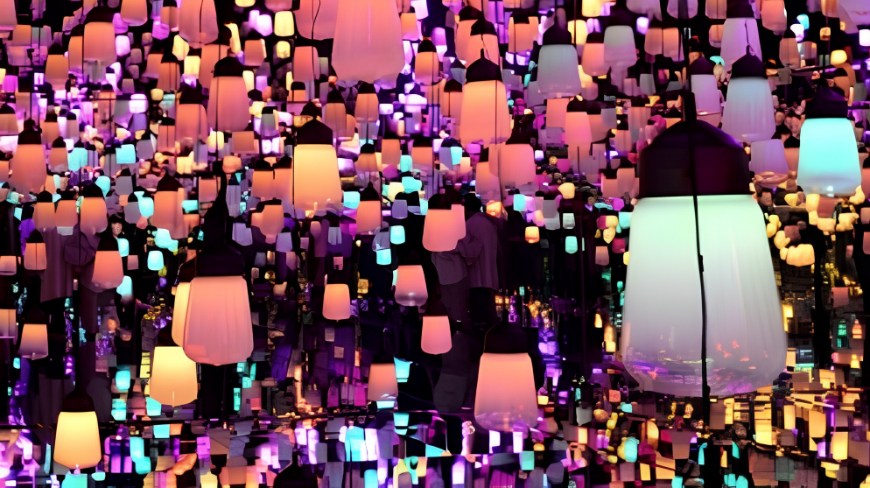
teamLab Planets is one of Tokyo’s most memorable indoor attractions because visitors do not simply look at the artwork — they physically move through it.
The experience includes large immersive installations, dark rooms, mirrored spaces and areas where visitors walk barefoot through water.
| Best For | Families wanting a visually memorable experience that adults can enjoy too |
| Location | Toyosu / Shin-Toyosu |
| Nearest Station | Shin-Toyosu Station |
| Suggested Time | About 1.5–2.5 hours |
| Best For Ages | Broad age range, but parents should consider how younger children react to darkness, water and strong visual effects |
Why Families Like teamLab Planets
teamLab Planets feels very different from a conventional art museum.
Children can move through large-scale digital environments and experience changing light, sound, water and interactive artwork.
Good Reasons to Choose teamLab Planets
✓ Adults and children can enjoy the same attraction together
✓ Very different from temples, shrines and traditional museums
✓ Fully indoor experience
✓ Strong option for rainy or extremely hot days
✓ Easy to combine with Toyosu-area attractions
Important: You Will Walk Through Water
Some of the artworks require visitors to remove their shoes and walk barefoot through water.
The water can reach approximately adult knee height in some areas, meaning it may be considerably deeper relative to a small child.
With young children: Bring a change of clothes. teamLab specifically recommends this because children can become wetter than expected.
What Should Children Wear?
Comfortable clothing that can handle some water is the safest choice.
Some areas also use mirrored floors, so skirts and wide clothing can be less practical.
Useful Family Packing List
✓ Change of clothes for younger children
✓ Easy-to-remove shoes and socks
✓ Small bag for essentials
✓ Avoid unnecessarily bulky belongings
Can You Take a Stroller Inside?
No.
Strollers are not permitted inside the exhibition. A stroller-storage area is available outside, and baby carriers are allowed inside.
For babies: A baby carrier can be much more practical than relying only on the stroller for this particular attraction.
Is teamLab Planets Good for Toddlers?
It can be, but it depends strongly on the child.
Some toddlers may love the lights, water and movement, while others may be uncomfortable in dark rooms or around intense visual effects.
teamLab provides detour routes for visitors who cannot or do not want to enter certain areas.
Safety note: teamLab asks adults accompanying young children to keep hold of them, especially because parts of the exhibition are dark and immersive.
Do Young Children Need Tickets?
Children under 3 are currently admitted free.
teamLab also requires at least one accompanying adult for every three children, including children who qualify for free admission.
Should You Book teamLab Planets in Advance?
Yes.
Admission is sold by date and time, and popular slots can sell out.
Rainy-day warning: teamLab is better treated as a planned attraction than as something you decide to visit only after waking up to heavy rain.
How to Get to teamLab Planets by Train
Yurikamome: Shin-Toyosu Station → approximately 1 minute on foot
Tokyo Metro Yurakucho Line: Toyosu Station → approximately 10 minutes on foot
If you are already visiting KidZania or LaLaport Toyosu, teamLab Planets is in the same broader Toyosu area.
Do not overpack the day: KidZania is already a long, structured experience. For many families, teamLab and KidZania are better on separate days unless the children are older and have plenty of energy.
Who Should Choose teamLab Planets?
| Family | Our View |
|---|---|
| Baby | Possible with a baby carrier, but stroller access inside is not available. |
| Toddler | Can be wonderful for confident children who enjoy sensory experiences. |
| Ages 5–12 | Excellent for many children. |
| Teenagers | Very good. |
| Adults traveling with kids | One of the strongest options because it is not primarily a children’s attraction. |
4. Chikyuu no Niwa at Tokyo Solamachi
Chikyuu no Niwa is a large indoor play space inside Tokyo Solamachi at Tokyo Skytree Town.
It combines active play with nature-inspired themes, making it especially useful for babies, toddlers and younger elementary-age children.
| Best For | Babies through elementary-age children |
| Location | Tokyo Solamachi East Yard, 5F |
| Nearest Stations | Oshiage Station and Tokyo Skytree Station |
| Suggested Time | About 1.5–3 hours |
| Best Combination | Sumida Aquarium + lunch or shopping at Tokyo Solamachi |
What Is Chikyuu no Niwa?
Chikyuu no Niwa translates roughly as “Garden of the Earth.”
The play areas use themes such as volcanoes, ice, oceans and forests to combine physical play with ideas about nature and the planet.
Kids Garden Includes:
✓ Large indoor play equipment
✓ Active climbing and movement
✓ Sand-play areas
✓ Nature-inspired zones
✓ Educational toys and activities
✓ Occasional workshops and special activities
There Are Two Separate Areas
Chikyuu no Niwa Tokyo Solamachi currently has two distinct play zones.
| Area | Age Range |
|---|---|
| Kids Garden | Ages 0–12 |
| Baby Garden | Ages 0–2 |
Important: The Kids Garden and Baby Garden have separate admission and separate pricing. Do not assume one ticket automatically includes both.
Is It Good for Babies?
Yes.
The dedicated Baby Garden is specifically designed for children ages 0–2, making this one of the more useful Tokyo indoor attractions for families traveling with very young children.
For siblings of different ages: Check which area best suits your family before paying, since the Baby Garden and Kids Garden operate separately.
How Long Should You Stay?
Around 1.5 to 3 hours is a practical range for many visiting families.
The standard pricing structure begins with a set period and then adds time in increments, while weekday one-day passes may also be available.
Watch the clock: Because additional time can increase the cost, decide whether you are planning a short play session or a longer indoor afternoon.
Current Opening Hours
Chikyuu no Niwa Tokyo Solamachi currently operates from 10:00 AM to 9:00 PM, with final admission at 8:00 PM.
It generally follows Tokyo Solamachi’s closure schedule.
Busy-Day Waiting System
On weekends, holidays and other busy days, Chikyuu no Niwa may use a waiting-registration system.
The official site notes that visitors inside the Tokyo Solamachi building can register for the queue rather than physically standing in line the entire time.
Useful rainy-day strategy: If there is a wait, register first and then use the time for lunch or another activity inside Tokyo Solamachi.
How to Get There by Train
Tokyo Solamachi is directly connected to or immediately beside two useful stations.
Oshiage Station: Tokyo Metro Hanzomon Line, Toei Asakusa Line, Keisei Line and Tobu Skytree Line
Tokyo Skytree Station: Tobu Skytree Line
Chikyuu no Niwa is located on the 5th floor of the East Yard inside Tokyo Solamachi.
With a stroller: An indoor complex directly connected to major rail stations can be particularly useful on a wet day because you can minimize outdoor walking.
Combine It With Sumida Aquarium
One of the biggest advantages of Chikyuu no Niwa is its location inside Tokyo Skytree Town.
You can combine active play with a calmer attraction such as Sumida Aquarium, then have lunch or dinner without leaving the complex.
Easy Rainy-Day Combination
Morning: Sumida Aquarium
Lunch: Tokyo Solamachi
Afternoon: Chikyuu no Niwa
For younger children: This can be easier than trying to travel across Tokyo to several unrelated indoor attractions on the same day.
Chikyuu no Niwa or ASOBono!?
| If You Want… | Consider |
|---|---|
| A central Tokyo play stop | ASOBono! |
| A full Skytree Town indoor day | Chikyuu no Niwa |
| Baby-specific play space | Both can work well. |
| Active play + aquarium | Chikyuu no Niwa |
| Lots of railway and pretend-play toys | ASOBono! |
Bottom line: Choose teamLab Planets when you want a memorable immersive attraction for the whole family. Choose Chikyuu no Niwa when younger children mainly need to play, move and burn off energy indoors.
5. Sumida Aquarium
Sumida Aquarium is one of the easiest indoor attractions to combine with a family day at Tokyo Skytree Town.
Compared with an indoor playground or amusement park, it offers a calmer experience that works particularly well when children are tired, the weather is bad or your family includes several different age groups.
| Best For | Families of almost any age, especially mixed-age groups |
| Location | Tokyo Skytree Town / Tokyo Solamachi |
| Nearest Stations | Oshiage Station and Tokyo Skytree Station |
| Suggested Time | About 1.5–2 hours |
| Best Combination | Chikyuu no Niwa + lunch or shopping at Tokyo Solamachi |
Why Sumida Aquarium Works Well for Families
Sumida Aquarium is compact enough that a visit does not need to become an exhausting all-day outing.
Children can move through the exhibits at a relaxed pace, and parents can easily combine the aquarium with other activities inside the same Tokyo Skytree Town complex.
Family Highlights Include:
✓ Large open penguin area
✓ Jellyfish displays
✓ Marine life connected with the Ogasawara Islands
✓ Goldfish displays
✓ Indoor viewing throughout the attraction
Best for a lower-energy day: If your children have already spent several days walking around Tokyo, an aquarium can provide a much easier afternoon than another large sightseeing attraction.
Is Sumida Aquarium Good for Toddlers?
Yes.
Toddlers do not need to follow a structured activity or meet ride-height requirements, so families can move through the aquarium according to the child’s attention span.
Children under 3 are currently admitted free under the aquarium’s standard admission structure.
Is It Good for Older Children?
Yes, although the experience is quieter than attractions such as KidZania or Joypolis.
It is particularly useful for families with one younger child and one older child because everyone can enjoy the same attraction without needing completely separate activities.
How Long Should You Allow?
Around 1.5 to 2 hours is enough for many families.
You can stay longer if your children enjoy watching the animals, but one advantage of Sumida Aquarium is that you do not need to commit half a day.
Flexible itinerary option: This makes Sumida Aquarium particularly useful when you are unsure how much energy your children will have that day.
Should You Buy Tickets in Advance?
Advance web tickets are available and are recommended during busy periods.
Tickets are normally sold by date, and during particularly busy periods admission may also use designated time slots.
Same-day ticket machines are available at the aquarium, but ticket quantities are limited and preferred admission times can sell out.
Rainy-day tip: Buying ahead can be worthwhile because indoor attractions around Tokyo Skytree become more attractive when the weather is poor.
Current General Opening Pattern
Sumida Aquarium currently generally opens:
Weekdays: 10:00 AM–8:00 PM
Weekends and public holidays: 9:00 AM–9:00 PM
Final admission is generally one hour before closing.
Seasonal hours can differ, so check the official calendar before visiting.
How to Get to Sumida Aquarium by Train
Sumida Aquarium occupies the 5th and 6th floors of Tokyo Skytree Town / Tokyo Solamachi.
Oshiage Station: Tokyo Metro Hanzomon Line, Toei Asakusa Line, Keisei Line and Tobu Skytree Line
Tokyo Skytree Station: Tobu Skytree Line
Tokyo Skytree Station is immediately beside the complex, while Oshiage Station provides direct access with an approximately five-minute walk to the aquarium area.
Best Rainy-Day Combination
Tokyo Skytree Town Family Day
Morning: Sumida Aquarium
Lunch: Tokyo Solamachi
Afternoon: Chikyuu no Niwa
Optional: Shopping, cafés or another attraction within the complex
Why we like this combination: You can create most of a family day without repeatedly traveling through Tokyo in the rain.
Who Should Choose Sumida Aquarium?
| Family | Our View |
|---|---|
| Baby | Easy option for a relaxed family outing. |
| Toddler | Very good because the visit can follow the child’s pace. |
| Elementary-age children | Good, particularly when combined with another Skytree Town activity. |
| Teenagers | May enjoy it, but Joypolis or teamLab may be more exciting. |
| Mixed-age family | One of the easiest choices on this list. |
6. Tokyo Joypolis
Tokyo Joypolis is a large indoor amusement park in Odaiba operated by CA Sega Joypolis.
Unlike the play spaces aimed mainly at toddlers, Joypolis combines rides, digital attractions, games and interactive experiences and is generally a stronger choice for older children and teenagers.
| Best For | Older elementary-age children, teenagers and adults who enjoy games and amusement rides |
| Location | DECKS Tokyo Beach, Odaiba |
| Nearest Stations | Odaiba-kaihinkoen Station or Tokyo Teleport Station |
| Suggested Time | About 2–4 hours, longer for families using many attractions |
| Best For | Rainy days when children want something energetic and exciting |
What Is Inside Tokyo Joypolis?
Joypolis mixes amusement-park rides with digital games and interactive attractions across several indoor floors.
Current experiences include thrill rides, shooting games, racing-style attractions, interactive games and themed entertainment.
Examples of Attraction Types
✓ Indoor coaster and thrill attractions
✓ Racing and motion-based rides
✓ Shooting attractions
✓ Sonic-themed activities
✓ Interactive digital experiences
✓ Horror and mystery attractions
Is Tokyo Joypolis Good for Young Children?
It can work for some younger children, but Joypolis is generally a better fit for older kids.
Individual attractions have their own height, age and safety restrictions.
Current attractions include examples requiring minimum heights of 90 cm, 110 cm, 130 cm or 140 cm, while some experiences have no height restriction.
Before buying an unlimited-ride ticket for a younger child: Check how many of the attractions your child can actually use based on their height and age.
Best Ages for Joypolis
| Age | Our View |
|---|---|
| Toddler | Not one of our first choices because many attractions will not be suitable. |
| Ages 5–7 | Some activities may work, but check height and age restrictions carefully. |
| Ages 8–12 | Very good if the child enjoys rides and games. |
| Teenagers | Excellent — one of the strongest indoor choices on this list. |
| Adults | Plenty of attractions can be enjoyed together with older children. |
Admission Ticket or Passport Ticket?
Joypolis offers both basic admission and passport-style tickets that include eligible attractions.
With basic admission, individual attraction tickets can be purchased inside.
For younger children or a short visit: Basic admission plus selected rides may make more sense if your child cannot use many of the attractions.
For older children who want to ride repeatedly: Compare the passport option with the number of attractions your family expects to use.
Rainy Days Can Be Very Busy
Joypolis is an obvious destination when rain hits Tokyo — and that means many other visitors have the same idea.
Joypolis itself currently identifies rainy days, weekends, public holidays and three-day weekends as periods when higher visitor numbers are expected.
Do not assume bad weather means shorter queues: At an indoor amusement park, rain can actually make the attraction busier.
Check Attraction Wait Times
Joypolis publishes current attraction wait times and floor information, which can help you decide what to visit first.
Attraction queues may also close before the park itself closes when waiting times become long.
If you have must-do rides: Prioritize them earlier rather than leaving everything until the final hour.
How Long Should You Spend at Joypolis?
Around 2–4 hours works for many families, but children who love rides and gaming could easily spend much longer.
How much time you need depends heavily on queues and how many attractions you want to experience.
How to Get to Tokyo Joypolis by Train
Joypolis is inside DECKS Tokyo Beach in Odaiba.
Yurikamome: Odaiba-kaihinkoen Station → approximately 2 minutes on foot
Rinkai Line: Tokyo Teleport Station → approximately 5 minutes on foot
Train tip: The Yurikamome itself can be fun for children because of its elevated route and views over Tokyo Bay.
Build an Odaiba Indoor Day
One advantage of Joypolis is its location inside a larger shopping and entertainment area.
You can combine the attraction with meals and other indoor activities around DECKS Tokyo Beach and Odaiba without planning another cross-city journey.
Simple Odaiba Rainy-Day Plan
Morning: Travel to Odaiba
Late morning / afternoon: Tokyo Joypolis
Lunch: DECKS Tokyo Beach or nearby shopping complex
Later afternoon: Continue exploring Odaiba depending on the weather and children’s energy
Who Should Choose Tokyo Joypolis?
| Family | Our View |
|---|---|
| Family mainly with toddlers | Choose ASOBono! or Chikyuu no Niwa instead. |
| Elementary-age thrill seeker | Very good once the child meets enough ride restrictions. |
| Teenager | Excellent. |
| Family that loves Sega, games and rides | Excellent choice. |
| Family wanting a quiet indoor afternoon | Choose Sumida Aquarium instead. |
Bottom line: Sumida Aquarium is the better choice when you want a relaxed indoor attraction that works across a wide age range. Tokyo Joypolis is the stronger choice when older children or teenagers want rides, games and more excitement.
More Good Indoor Attractions for Families in Tokyo
The six attractions above are our strongest all-around choices, but Tokyo has several other indoor options that may be a better fit depending on your child’s interests.
These are particularly useful if your children love toys, LEGO, vehicles, miniatures or Japanese characters.
Tokyo Toy Museum
Tokyo Toy Museum is a hands-on museum housed inside a former elementary school in Yotsuya.
Instead of looking at toys behind glass, children can actually play with a large collection of wooden, traditional and international toys.
| Best For | Babies, toddlers and younger elementary-age children |
| Nearest Station | Yotsuya-sanchome Station |
| Train Access | About 5 minutes on foot from Exit 2 on the Tokyo Metro Marunouchi Line |
| Suggested Time | About 2–3 hours |
Why Families Like It
✓ Thousands of toys that children can actually use
✓ Traditional Japanese toys
✓ Wooden play areas
✓ Games and creative activities
✓ Dedicated playroom for children age 2 and under
Good alternative to an indoor playground: Tokyo Toy Museum works particularly well when you want something playful but quieter and more creative than a large commercial play center.
Current Opening Pattern
Tokyo Toy Museum currently generally opens from 10:00 AM to 4:00 PM, with final admission at 3:30 PM, and is normally closed on Thursdays.
Online tickets are also available, and same-day admission can close when capacity is reached.
Fire Museum
Just a short distance from Tokyo Toy Museum is the Tokyo Fire Museum, operated by the Tokyo Fire Department.
It is one of the best free indoor attractions for children who love fire engines, emergency vehicles and transportation.
| Best For | Preschool and elementary-age children who like vehicles |
| Nearest Station | Yotsuya-sanchome Station |
| Access | Directly connected to Exit 2 |
| Admission | Free |
| Suggested Time | About 1–2 hours |
What You Can See
✓ Historic fire engines
✓ Firefighting equipment and uniforms
✓ Displays about firefighting in old Tokyo
✓ Helicopter and emergency-service exhibits
✓ Disaster-prevention information
The museum currently opens from 9:30 AM to 5:00 PM, with final admission at 4:30 PM, and is normally closed on Mondays.
Excellent budget rainy-day combination: Tokyo Toy Museum and the Fire Museum are both around Yotsuya-sanchome, so families can combine them without crossing Tokyo.
LEGOLAND Discovery Center Tokyo
LEGOLAND Discovery Center Tokyo is an indoor LEGO attraction inside DECKS Tokyo Beach in Odaiba.
It is designed primarily for children around ages 3–10 and includes LEGO-building areas, rides, a 4D cinema and a miniature LEGO version of Tokyo.
| Best For | Ages 3–10 and children who love LEGO |
| Location | DECKS Tokyo Beach, Odaiba |
| Nearest Station | Odaiba-kaihinkoen Station |
| Suggested Time | About 2–3 hours |
Family Highlights
✓ LEGO building and play zones
✓ MINILAND Tokyo
✓ Family rides
✓ 4D cinema
✓ Indoor play areas
Important admission rule: LEGOLAND Discovery Center is designed as a family attraction, and adults generally cannot enter without a child.
Children under 3 are currently admitted free, and advance timed tickets are recommended because capacity is controlled and walk-up entry can sell out.
How to Get There
Yurikamome: Odaiba-kaihinkoen Station → approximately 2 minutes on foot
Rinkai Line: Tokyo Teleport Station → approximately 5 minutes on foot
Good Odaiba alternative: If your children are too young for many Joypolis rides, LEGOLAND Discovery Center can be the better indoor choice.
SMALL WORLDS Miniature Museum
SMALL WORLDS in Ariake is a large indoor miniature museum filled with detailed model cities, airports, vehicles and imaginative miniature worlds.
It is a particularly good choice for children who enjoy trains, planes, miniature scenes and searching for small details.
| Best For | Elementary-age children, train and plane fans, and mixed-age families |
| Location | Ariake |
| Nearest Station | Ariake Tennis no Mori Station |
| Train Access | Approximately 3 minutes on foot from the Yurikamome station |
| Suggested Time | About 2–3 hours |
Highlights Include:
✓ Miniature airport scenes
✓ Space-themed displays
✓ Moving vehicles and miniature city scenes
✓ Hidden details for children to discover
✓ Workshops and optional miniature-figure experiences
Strollers are currently welcome inside, and the museum provides elevators and family-friendly facilities.
For train-loving families: This is one of the more natural additions to a Train Travel Japan itinerary because children can enjoy transportation-themed miniature displays without needing good outdoor weather.
Sanrio Puroland
For families who love Hello Kitty, My Melody, Cinnamoroll and other Sanrio characters, Sanrio Puroland is one of the strongest indoor character attractions in the Tokyo area.
Unlike most of the attractions on this list, it is outside central Tokyo in Tama City, so it works better as a dedicated half-day or full-day trip than as a quick rainy-afternoon backup.
| Best For | Sanrio fans, preschool children and elementary-age children |
| Location | Tama City, western Tokyo |
| Nearest Station | Tama Center |
| From Shinjuku | About 30 minutes by Keio Line limited express, then around 5 minutes on foot |
| Suggested Time | Half day to full day |
Why Families Go
✓ Character greetings
✓ Indoor rides
✓ Parades and shows
✓ Themed food
✓ Sanrio merchandise
Plan this one ahead: Sanrio Puroland currently requires both a valid passport ticket and a visit reservation for admission. Children age 2 and under are admitted free.
Which Extra Indoor Attraction Should You Choose?
| Your Child Loves… | Best Match |
|---|---|
| Toys and creative play | Tokyo Toy Museum |
| Fire engines and emergency vehicles | Fire Museum |
| LEGO | LEGOLAND Discovery Center Tokyo |
| Trains, planes and miniatures | SMALL WORLDS |
| Hello Kitty and Sanrio characters | Sanrio Puroland |
Current Miraikan note: The National Museum of Emerging Science and Innovation in Odaiba would normally be another excellent family indoor option, but it is scheduled to close for major refurbishment from October 1, 2026 through April 22, 2027. For trips during that period, choose another attraction from this guide.
Best Indoor Tokyo Attractions by Child Age
The best indoor attraction depends much more on your child’s age and personality than on which place is most famous.
A toddler who wants to move and play will usually enjoy a very different day from a 12-year-old who wants rides, games or interactive activities.
| Age | Our Top Choices | Why |
|---|---|---|
| Baby / Under 2 | ASOBono!, Chikyuu no Niwa, Sumida Aquarium | Dedicated baby areas or flexible attractions that do not require structured participation. |
| Ages 2–4 | ASOBono!, Chikyuu no Niwa, Tokyo Toy Museum, Sumida Aquarium | Plenty of active or hands-on play with fewer age and height restrictions. |
| Ages 5–7 | KidZania, LEGOLAND Discovery Center, teamLab Planets, Tokyo Toy Museum | Children can participate in more structured activities while still enjoying imaginative play. |
| Ages 8–12 | KidZania, teamLab Planets, Joypolis, SMALL WORLDS | Good mix of hands-on activities, technology, rides and independent exploration. |
| Teenagers | Tokyo Joypolis, teamLab Planets, SMALL WORLDS | These generally feel less like attractions designed mainly for small children. |
| Mixed-Age Family | Sumida Aquarium, teamLab Planets, SMALL WORLDS | Adults and children can enjoy the same attraction without splitting into separate activities. |
For families with several children: Choose an attraction that works reasonably well for everyone rather than trying to find the perfect attraction for each child on the same day.
Best Indoor Attraction for Babies
For babies and very young toddlers, we would prioritize ASOBono!, Chikyuu no Niwa or Sumida Aquarium.
ASOBono! and Chikyuu no Niwa both provide dedicated areas for very young children, while Sumida Aquarium gives families a flexible attraction where you can leave whenever the child becomes tired.
Best Indoor Attraction for Preschoolers
For children around ages 2–5, active play is often more successful than trying to keep them interested in a conventional museum for several hours.
ASOBono!, Chikyuu no Niwa and Tokyo Toy Museum are particularly strong choices.
Best Indoor Attraction for Elementary-Age Kids
This is probably the easiest age group because many of Tokyo’s best indoor family attractions become available.
Children can enjoy KidZania, teamLab Planets, LEGOLAND Discovery Center, SMALL WORLDS and, depending on height, more attractions at Tokyo Joypolis.
For ages 6–12: KidZania is one of our strongest recommendations when the child enjoys role-playing and choosing activities independently.
Best Indoor Attraction for Teenagers
Teenagers may quickly lose interest in places designed mainly for toddlers and preschoolers.
Tokyo Joypolis is generally the strongest choice for rides and games, while teamLab Planets works well when you want something the whole family can enjoy together.
Best Choice for a Family With Different Ages
Mixed-age families should look for attractions that do not depend heavily on a narrow age range.
Sumida Aquarium, teamLab Planets and SMALL WORLDS are easier to enjoy together than a toddler-focused playground or an attraction with many ride restrictions.
Three Easy Rainy-Day Tokyo Itineraries With Kids
On a rainy day, the goal should not be to see as many attractions as possible.
A better strategy is to choose one area with several indoor options and minimize the number of train transfers, wet station exits and stroller transitions.
Our rainy-day rule: One neighborhood, one main attraction and one backup activity is usually enough for a successful family day.
Rainy-Day Itinerary 1: Tokyo Skytree Town With Younger Kids
This is one of the easiest options for families with babies, toddlers or younger elementary-age children because several activities are concentrated inside the same large complex.
Morning: Sumida Aquarium
Start with a calmer attraction while children still have plenty of attention and energy.
Allow roughly 1.5–2 hours.
Lunch: Tokyo Solamachi
Stay inside the complex for lunch rather than making another train journey.
This also gives younger children a useful break before the afternoon activity.
Afternoon: Chikyuu no Niwa
Let children run, climb and play after the quieter aquarium visit.
Allow around 1.5–3 hours depending on your child’s age and energy.
Best for: Babies through early elementary age, especially families using a stroller.
Rainy-Day Itinerary 2: Toyosu for Elementary-Age Children
Toyosu has two of the strongest indoor attractions in this guide, but both can be substantial experiences.
For most families, choose one as the main attraction rather than automatically trying to do both.
Option A: KidZania Day
Reserve a KidZania shift and treat it as the main event.
Add lunch, dinner or relaxed shopping at LaLaport Toyosu rather than another major attraction.
Option B: teamLab Planets + Toyosu
Visit teamLab Planets at your reserved time, then continue to the Toyosu area for food, shopping or a relaxed afternoon.
Best for: Elementary-age children and families who prefer one high-quality attraction rather than several rushed stops.
Rainy-Day Itinerary 3: Odaiba for Older Kids & Teenagers
Odaiba is one of the best areas when older children want indoor entertainment rather than a playground.
Morning or Early Afternoon: Tokyo Joypolis
Spend several hours on rides, games and interactive attractions.
Check ride restrictions before deciding whether a passport-style ticket makes sense for each child.
Lunch: DECKS Tokyo Beach
Stay in the same complex or nearby rather than traveling elsewhere for lunch.
Alternative for Younger Siblings: LEGOLAND Discovery Center
If your family has younger children who are not suited to Joypolis, LEGOLAND Discovery Center is also inside DECKS Tokyo Beach.
Best for: Older elementary-age children and teenagers, particularly families who enjoy rides and games.
Bonus Rainy-Day Plan: Yotsuya With Younger Children
Families who want a less commercial day can combine two attractions around Yotsuya-sanchome.
Morning: Tokyo Toy Museum
Spend a couple of hours with hands-on toys and creative play.
This works particularly well for preschool and younger elementary-age children.
Afternoon: Fire Museum
Continue with fire engines and emergency-service displays at the nearby free museum.
Why we like it: The attractions are close together, both are indoors, and the Fire Museum keeps the overall cost of the day relatively low.
How Many Indoor Attractions Should You Plan in One Day?
With younger children, usually fewer than you think.
| Child Age | Practical Daily Plan |
|---|---|
| Baby / Toddler | One main attraction plus a flexible second option. |
| Preschool | One major play activity plus lunch and perhaps one calmer attraction. |
| Elementary Age | One major attraction plus one smaller activity if energy allows. |
| Teenagers | Two substantial attractions can work if they are geographically close. |
Do not make rain harder than it needs to be: The biggest mistake is often traveling across Tokyo several times simply because every attraction is indoors. Staying in one well-chosen area usually creates a much easier family day.
Train Access & Stroller Planning for Indoor Tokyo Attractions
Tokyo’s rail network makes all of the attractions in this guide relatively easy to reach, but traveling with young children changes what counts as the “best” route.
The route with the fewest minutes on the train is not always the easiest route when you have a stroller, tired children or several bags.
Family train rule: Fewer transfers and easier elevator access are often more important than saving five or ten minutes.
Choose the Station Before You Choose the Train
Large Tokyo attractions are often served by several stations, but the walking distance and station layout can vary considerably.
Before leaving your hotel, check:
✓ Which station exit is closest to the attraction
✓ Whether that exit has elevator access
✓ How many train transfers are required
✓ Whether most of the walk can be made indoors
✓ Whether you will need to cross large roads or outdoor plazas
Tokyo Metro provides station-by-station information showing elevators and other barrier-free routes, which can be useful when planning with a stroller.
Do not automatically follow the nearest exit shown on a map: An elevator-accessible exit a little farther away can be much easier than carrying a stroller up a long staircase.
Can You Take an Open Stroller on Tokyo Trains?
Yes. You do not normally have to fold a stroller simply to ride a JR train.
JR East specifically states that passengers may board with a stroller unfolded, while asking passengers to consider the people around them.
Tokyo Metro also provides guidance and facilities intended to make subway travel easier and safer for families using strollers.
Practical exception: During extremely crowded periods, folding the stroller may sometimes make the journey easier and safer if your child can walk or be carried.
Avoid Rush Hour When Possible
An indoor family attraction may be relaxing, but getting there on a packed commuter train with a stroller can be the opposite.
If your schedule is flexible, avoid the busiest weekday commuting periods and travel after the morning rush.
For an attraction opening around 10:00 AM: There is often little benefit in forcing the family onto a very crowded early-morning train simply to arrive much earlier than necessary.
Allow More Transfer Time With Children
A route-planning app may show a five-minute transfer, but that calculation may not reflect a family looking for an elevator, making a bathroom stop or moving at toddler speed.
Add Extra Time When You Have:
✓ A stroller
✓ Several children
✓ Large stations such as Shinjuku or Tokyo
✓ A timed attraction reservation
✓ A child who may need a bathroom stop
For timed tickets: Aim to arrive in the attraction area early rather than planning a train connection that leaves no margin for error.
Which Attractions Are Particularly Easy With a Stroller?
| Attraction / Area | Stroller Planning |
|---|---|
| Tokyo Skytree Town | Excellent overall because several family attractions, restaurants and shops are concentrated in one large complex. |
| Sumida Aquarium | Good option for a relaxed family visit within Tokyo Skytree Town. |
| Chikyuu no Niwa | Good for younger children, with the advantage of staying inside the Solamachi complex. |
| ASOBono! | Stroller storage is available at the facility. |
| SMALL WORLDS | Strollers can currently be used inside the museum. |
| teamLab Planets | Strollers cannot enter the exhibition and must be left in the designated stroller-storage area. |
Before visiting teamLab with a baby: A baby carrier can be much more useful than relying entirely on a stroller.
Should You Book Tokyo Indoor Attractions in Advance?
For some attractions, definitely.
One of the biggest mistakes families make is assuming that an indoor attraction can always be used as a last-minute rainy-day backup.
Unfortunately, the most popular indoor attractions are often exactly the places that become busiest when it rains.
Book These Ahead If They Are Important to Your Family
| Attraction | Booking Strategy |
|---|---|
| teamLab Planets | Book a timed admission slot ahead whenever possible. |
| KidZania Tokyo | Reserve the date and shift in advance if it is a priority. |
| Sanrio Puroland | Plan ahead because admission currently involves both a passport ticket and visit reservation. |
| LEGOLAND Discovery Center | Advance timed admission is advisable, especially on weekends and rainy days. |
| Sumida Aquarium | Advance web tickets can be useful during busy periods. |
| Tokyo Joypolis | Check current ticket options and expected congestion before visiting. |
Keep One Flexible Backup Option
Not every hour of a Tokyo family trip needs to be reserved.
A useful strategy is to book your must-do attraction and keep a second, more flexible activity nearby in case the children still have energy.
Examples
Tokyo Skytree Town: Reserve the main attraction, then use shopping, food or another activity as the flexible part of the day.
Odaiba: Make Joypolis or LEGOLAND the main activity and keep the rest of the area flexible.
Yotsuya: Combine Tokyo Toy Museum with the free Fire Museum if opening days align.
Best balance: Reserve the attraction you would be disappointed to miss, but leave enough flexibility for tired children, naps, meals and weather changes.
Always Recheck Hours Before Visiting
Opening hours, maintenance closures, ticket procedures and attraction availability can change.
Check the official website shortly before your visit, particularly for amusement attractions, museums with regular closing days and facilities using timed admission.
Common Mistakes When Planning an Indoor Tokyo Day With Kids
Tokyo has so many family attractions that the biggest danger is often trying to do too much.
| Common Mistake | Better Approach |
|---|---|
| Crossing Tokyo several times | Choose one neighborhood or attraction cluster. |
| Waiting until it rains to buy tickets | Reserve must-do indoor attractions beforehand. |
| Ignoring age or height restrictions | Check what your child can actually participate in before buying tickets. |
| Choosing the closest station exit without checking elevators | Use an accessible route when traveling with a stroller. |
| Booking attractions back-to-back | Leave time for trains, food, toilets and unexpected delays. |
| Planning only exciting activities | Mix active attractions with calmer periods. |
| Assuming indoor means uncrowded | Expect popular indoor attractions to become busier in bad weather. |
Mistake #1: Planning Attractions on Opposite Sides of Tokyo
It is technically possible to visit Tokyo Skytree Town, Odaiba and Shinjuku on the same day.
That does not mean it is a good family itinerary.
Better strategy: Use Tokyo Skytree Town, Toyosu, Odaiba or Tokyo Dome City as the focus of the day and add nearby activities only if the family still has energy.
Mistake #2: Treating Every Indoor Attraction as a Rainy-Day Backup
Attractions such as teamLab Planets and KidZania are popular even when the weather is perfect.
Waiting until a rainy morning to look for tickets can mean that the best times are already unavailable.
Better strategy: If the attraction is important enough that your child would be disappointed to miss it, treat it as a planned activity rather than a weather backup.
Mistake #3: Ignoring Height Restrictions at Joypolis
A younger child may be allowed into Tokyo Joypolis but still be too short for several of the rides they are most excited about.
Check the current restrictions for individual attractions before deciding whether an unlimited-ride ticket offers good value.
Mistake #4: Choosing an Attraction for the Adults
Parents naturally gravitate toward famous attractions they have seen online, but the best choice still depends on the child.
| Your Child Needs… | Better Choice |
|---|---|
| Space to run | ASOBono! or Chikyuu no Niwa |
| Quiet viewing | Sumida Aquarium |
| Hands-on role-play | KidZania |
| Rides and excitement | Tokyo Joypolis |
| A shared family experience | teamLab Planets |
Mistake #5: Booking Timed Attractions Too Close Together
Tokyo train travel is usually reliable, but families introduce their own delays.
Finding an elevator, changing a diaper, stopping for food or convincing a preschooler to leave a toy shop can easily consume the buffer between two reservations.
Avoid holiday-style appointments all day: One important timed reservation is often enough when traveling with younger children.
Mistake #6: Forgetting the Stroller Rules of the Attraction
Being able to reach an attraction by stroller does not necessarily mean the stroller can be used throughout the attraction.
teamLab Planets, for example, requires strollers to be left outside the exhibition, while other attractions have their own storage procedures.
Before leaving the hotel: Check whether you will need a baby carrier and remove anything important from the stroller basket that you need during the visit.
Mistake #7: Forgetting a Change of Clothes
Rain itself is one reason to carry spare clothes for young children, but teamLab Planets provides an additional reason because of its water-based installations.
A compact change of clothes and spare socks can rescue the rest of the day after an unexpected soaking.
Mistake #8: Assuming Sanrio Puroland Is in Central Tokyo
Sanrio Puroland is in Tama City in western Tokyo, rather than in the central sightseeing districts.
It is therefore better treated as a dedicated outing than something to casually add between central Tokyo attractions.
Mistake #9: Forgetting Regular Closing Days
Some museums close on a regular weekday, and temporary closures can occur for maintenance or special events.
This matters particularly when you are relying on an indoor attraction because the weather forecast is poor.
Always check the official website the night before: A ten-second opening-hours check can save an unnecessary train journey with children.
Mistake #10: Trying to “Get Your Money’s Worth”
A tired child does not care that the ticket was expensive.
If everyone has had enough after two hours, leaving can be much better than forcing another hour simply because you originally planned to stay longer.
Family travel works better when you leave some capacity unused: A happy two-hour attraction followed by an easy dinner can be a much better day than squeezing every possible activity into the schedule.
Our Indoor Tokyo Planning Checklist
1. Choose the attraction based on your child’s age and interests.
2. Check tickets and reservation requirements.
3. Check the current opening hours and closure calendar.
4. Identify the best station and elevator-accessible exit.
5. Check the attraction’s stroller rules.
6. Allow extra travel time for a timed reservation.
7. Choose one nearby backup activity.
8. Keep the rest of the day flexible.
Bottom line: The easiest rainy day in Tokyo is usually not the one with the most attractions. Choose one good area, minimize transfers, reserve your must-do activity and leave enough flexibility for your children to set the pace.
Tokyo Indoor Attractions With Kids: FAQ
What are the best indoor things to do in Tokyo with toddlers?
For toddlers, our strongest choices are ASOBono!, Chikyuu no Niwa, Tokyo Toy Museum and Sumida Aquarium.
These attractions are flexible, have fewer height restrictions and allow younger children to move at their own pace.
What is the best indoor attraction in Tokyo for elementary-age children?
KidZania Tokyo is one of our top choices for children around ages 6–12, especially if they enjoy role-playing and hands-on activities.
teamLab Planets, LEGOLAND Discovery Center, SMALL WORLDS and Tokyo Joypolis can also be excellent depending on the child’s interests.
What are the best indoor attractions in Tokyo for teenagers?
Tokyo Joypolis is one of the strongest choices for teenagers who enjoy rides and games.
teamLab Planets is also a very good option because adults and teenagers can enjoy the immersive experience together.
Where should we go in Tokyo when it rains with kids?
Rather than crossing the city between several attractions, choose an area with multiple indoor options.
Tokyo Skytree Town is excellent for younger children, Toyosu works well for KidZania or teamLab Planets, and Odaiba is particularly good for older children and teenagers.
What is the easiest rainy-day area in Tokyo with a stroller?
Tokyo Skytree Town is one of the easiest options because Sumida Aquarium, Chikyuu no Niwa, restaurants and shopping are concentrated in the same large complex.
Oshiage Station also provides several rail connections, reducing the need for multiple transfers.
Can I take a stroller on Tokyo trains?
Yes. Strollers can generally be taken onto Tokyo trains without being folded.
During very crowded periods, however, families may find it easier to fold the stroller if the child can safely walk or be carried.
Can I use a stroller inside teamLab Planets?
No. Strollers must be left in the designated stroller-storage area before entering the exhibition.
Families traveling with babies may find a baby carrier particularly useful.
Should I book indoor attractions before arriving in Tokyo?
For popular attractions such as teamLab Planets, KidZania, Sanrio Puroland and LEGOLAND Discovery Center, advance planning is strongly recommended.
Indoor attractions can become even busier when Tokyo has poor weather, so waiting until a rainy morning may leave you with limited ticket choices.
Is Tokyo Joypolis suitable for small children?
Younger children can enter Joypolis, but many individual attractions have age, height or safety restrictions.
Families mainly traveling with toddlers or preschoolers will usually get more value from ASOBono!, Chikyuu no Niwa or LEGOLAND Discovery Center.
Is KidZania Tokyo suitable for children who do not speak Japanese?
Yes, although some activities are easier for non-Japanese-speaking children than others.
KidZania offers English-supported activities, so check the current English program schedule when planning your visit.
Which indoor attraction is best for the whole family?
teamLab Planets, Sumida Aquarium and SMALL WORLDS are among the easiest choices when adults and children of different ages want to enjoy the same attraction together.
What is the best free indoor attraction for kids in Tokyo?
The Fire Museum at Yotsuya-sanchome is one of the best free options, particularly for children who enjoy fire engines and emergency vehicles.
How many attractions should we plan on a rainy day?
With younger children, one major attraction plus one flexible nearby activity is usually enough.
Staying in one area is generally much easier than spending a rainy day repeatedly transferring between trains and stations.
Are indoor attractions useful in Tokyo during summer?
Absolutely.
Tokyo summers can be hot and humid, so an indoor attraction can be just as valuable for escaping afternoon heat as it is for avoiding rain.
Our final recommendation: Do not choose an attraction simply because it is famous. Match the activity to your children’s ages, reserve the places that matter most and keep the rest of the day flexible.
Related Guides
20 Most Popular Things to Do in Tokyo for Families Using Trains
Looking for more than rainy-day activities? Explore family-friendly Tokyo attractions and learn how to reach them using the city’s train network.
Complete Guide to Traveling Japan by Train With Kids
Plan your family rail trip with practical advice on child fares, Shinkansen seats, luggage, strollers and easier train itineraries.
Japan Train Travel With Strollers
Learn how to navigate Japanese stations, elevators, local trains and the Shinkansen more easily when traveling with a stroller.
Before You Buy a JR Pass
Compare the cost of your planned train journeys with the current JR Pass price. Depending on your route, individual tickets or a regional pass may offer better value.
About Train Travel Japan
Train Travel Japan is written from firsthand experience traveling throughout Japan by rail. I am a Japanese native based in Canada and have traveled to all 47 prefectures of Japan over more than 30 years.
My goal is to make Japan train travel easier to understand, especially for international visitors planning JR Pass trips, regional rail journeys and independent itineraries.