
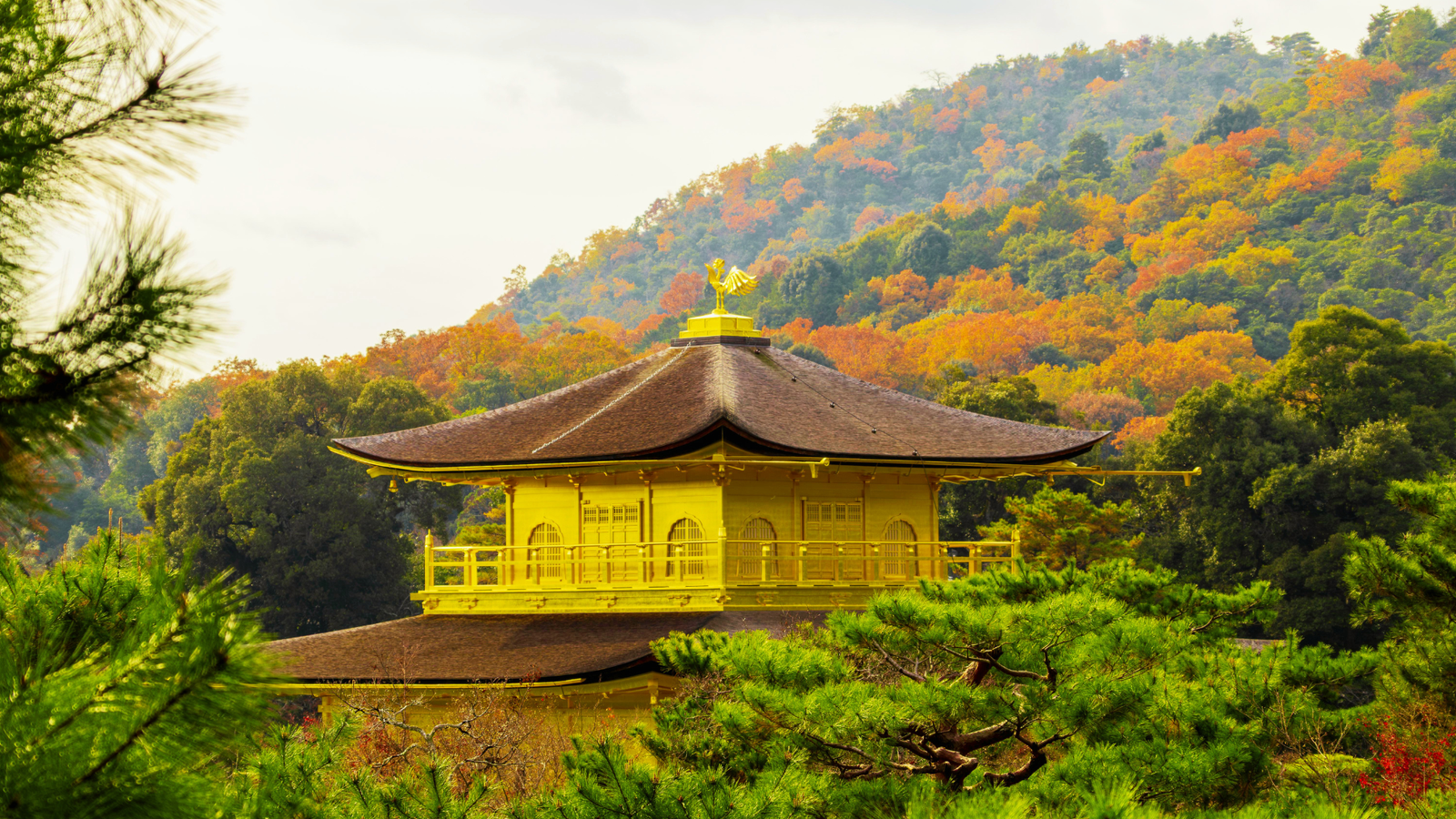
Autumn is one of the best times to explore Japan by train, and there are many unforgettable places to visit in Japan in fall. From temple gardens glowing red and gold to mountain valleys framed by colorful forests, many of Japan’s most beautiful autumn destinations are easy to reach using the rail network.
The timing of autumn foliage varies considerably by region and elevation. Colors usually begin appearing in northern Japan and higher mountain areas first, then gradually move south toward Tokyo, Kyoto, and western Japan later in the season.
In this guide, I’ll introduce five of my favorite places to experience autumn in Japan by train, with practical advice on how to get there, what makes each destination special, and how to fit them into a rail itinerary. These five places to visit in Japan in fall combine beautiful seasonal scenery with convenient train access.
For a broader overview of seasonal conditions and autumn travel ideas, see JNTO’s official Autumn in Japan guide .
Top 5 Places to Visit in Japan in Fall at a Glance
| Destination | Best For | Typical Autumn Timing | Main Train Access |
|---|---|---|---|
| Kyoto | Temples, gardens, classic fall scenery | Mid-November to early December | Shinkansen to Kyoto Station |
| Nikko | Shrines, mountains, lakes and waterfalls | October to early November | Train from Tokyo via Utsunomiya or Tobu Railway |
| Kurobe Gorge | Dramatic mountain and river scenery | Late October to mid-November | Hokuriku Shinkansen + local trains |
| Kakunodate | Samurai district and northern Japan foliage | Late October to early November | Akita Shinkansen |
| Miyajima | Maple trees, temples and island scenery | Mid to late November | Sanyo Line + ferry from Miyajimaguchi |
These dates are only general guidelines. Autumn colors can arrive earlier or later depending on temperatures and elevation, so check current foliage reports shortly before your trip.
1. Kyoto — Classic Autumn Colors at Temples and Gardens
Kyoto is one of Japan’s most famous autumn destinations, and for good reason. The combination of historic temples, traditional gardens, wooded hillsides, and bright red maple leaves creates some of the country’s most memorable fall scenery.
Because Kyoto’s autumn colors generally arrive later than those in northern Japan and the mountains, it can be an excellent choice for travelers visiting in the second half of November.
Best Places for Autumn Colors in Kyoto
- Tofuku-ji Temple: Famous for views across the Tsutenkyo Bridge over a valley filled with maple trees.
- Eikando Temple: One of Kyoto’s classic autumn foliage spots, especially beautiful when the maple trees turn deep red.
- Arashiyama: Mountain scenery, temples, riverside walks, and fall colors make this an easy area to spend half a day or more.
- Kiyomizu-dera: Offers panoramic views across autumn-colored hillsides and Kyoto.
How to Get There by Train
Kyoto is one of the easiest major destinations in Japan to reach by rail. The Tokaido Shinkansen connects Kyoto Station directly with Tokyo, Nagoya, and Shin-Osaka, making it simple to include Kyoto in a longer train itinerary.
Once in Kyoto, JR trains are useful for areas such as Arashiyama, while buses, subways, and private railway lines are often more convenient for individual temples and sightseeing districts.
2. Nikko — Mountain Foliage, Waterfalls and Historic Shrines
Nikko is one of the best autumn destinations near Tokyo because you can combine colorful mountain scenery with lakes, waterfalls, forests, and some of Japan’s most famous historic shrines.
One advantage of Nikko is its range of elevations. Autumn colors usually begin earlier in the higher areas around Lake Chuzenji and Okunikko, then gradually move down toward central Nikko. This can give travelers a relatively long window for seeing fall foliage.
Best Places for Autumn Colors in Nikko
- Lake Chuzenji: A beautiful mountain lake surrounded by forested slopes that turn red, orange, and yellow in autumn.
- Kegon Falls: One of Japan’s most famous waterfalls, especially impressive when framed by autumn foliage.
- Ryuzu Falls: A popular foliage spot in the higher Okunikko area where colors often arrive earlier in the season.
- Toshogu Shrine area: Historic architecture surrounded by tall cedar forests, with seasonal color around central Nikko.
How to Get There by Train
If you are using a Japan Rail Pass or another pass that covers the route, one convenient option is to take the Tohoku Shinkansen from Tokyo to Utsunomiya and transfer to the JR Nikko Line for Nikko Station.
Tobu Railway also operates convenient services from Asakusa in Tokyo to Tobu-Nikko Station, although most JR rail passes do not cover the full Tobu route.
3. Kurobe Gorge — Dramatic Autumn Scenery from a Trolley Train
Kurobe Gorge in Toyama Prefecture offers a very different autumn experience from Kyoto or Nikko. Here, the main attraction is the combination of steep mountain walls, deep river valleys, bridges, tunnels, and colorful forests viewed from the Kurobe Gorge Railway.
The open-air trolley train makes the journey itself part of the sightseeing experience. During peak autumn foliage, the contrast between the emerald-green Kurobe River and the red, orange, and yellow mountainsides can be spectacular.
What Makes Kurobe Gorge Special in Autumn
- Scenic trolley train: Much of the foliage can be enjoyed directly from the train as it travels through the gorge.
- Mountain scenery: Bridges, cliffs, tunnels, and forested slopes create some of the most dramatic railway views in Japan.
- Hot springs: The gorge area is also known for onsen, making it easy to combine autumn scenery with a relaxing overnight stay.
- Seasonal timing: Colors usually develop from higher elevations downward during late October and November.
How to Get There by Train
The gateway is Unazuki Station on the Kurobe Gorge Railway. From the Hokuriku Shinkansen, one common route is to travel to Kurobe-Unazukionsen Station and then connect to the local railway network for Unazuki Onsen.
From October 1, 2026, the Kurobe Gorge Railway is scheduled to resume full service between Unazuki and Keyakidaira, restoring access through the full scenic route for the main autumn foliage season.
4. Kakunodate — Samurai Streets Framed by Autumn Colors
Kakunodate in Akita Prefecture is best known for its beautifully preserved samurai district, but autumn gives the town an entirely different atmosphere. Dark wooden residences, stone walls, and traditional gates look especially striking when framed by red and golden foliage.
Because Kakunodate is in northern Japan, the autumn season generally arrives earlier here than in Tokyo or Kyoto. It can be an excellent stop for travelers heading north on a rail itinerary in late October or early November.
Best Places for Autumn Colors in Kakunodate
- Samurai District: Historic residences and tree-lined streets create one of the most atmospheric autumn walks in northern Japan.
- Ishiguro Samurai House: One of the best-known preserved samurai residences, surrounded by seasonal foliage.
- Aoyagi Samurai Manor: A larger historical complex where gardens and traditional architecture add to the autumn atmosphere.
- Hinokinai River area: Best known for cherry blossoms in spring, but the riverside also offers a pleasant seasonal walk in autumn.
How to Get There by Train
Kakunodate is directly served by the Akita Shinkansen, making it surprisingly easy to reach from Tokyo. The journey takes roughly three hours, and no transfer is required on direct Komachi services.
From Kakunodate Station, the samurai district is within walking distance, so the town works well as either a day trip or an overnight stop on a longer Tohoku and Akita itinerary.
5. Miyajima — Maple Trees, Temples and Island Scenery
Miyajima, officially called Itsukushima, is one of the most beautiful places in western Japan to experience autumn. The island combines maple-covered hillsides, temples, walking trails, and views across the Seto Inland Sea.
Autumn colors usually arrive later here than in northern Japan, making Miyajima a strong choice for travelers visiting Hiroshima in the second half of November.
Best Places for Autumn Colors on Miyajima
- Momijidani Park: The island’s classic autumn foliage spot, filled with maple trees near the base of Mount Misen.
- Daisho-in Temple: A peaceful temple complex with stone paths, statues, and seasonal foliage.
- Mount Misen: Higher viewpoints offer forest scenery and panoramic views over the Seto Inland Sea.
- Itsukushima Shrine area: The famous shrine and waterfront provide a beautiful contrast with the autumn-colored hills behind the town.
How to Get There by Train
From Hiroshima Station, take the JR Sanyo Line to Miyajimaguchi Station. From there, walk to the ferry terminal and take the short ferry ride across to Miyajima.
Travelers using eligible JR passes can use the JR train to Miyajimaguchi and the JR West Miyajima Ferry, making Miyajima particularly convenient to include in a rail itinerary through Hiroshima.
When Is the Best Time to See Autumn Colors in Japan?
There is no single nationwide peak foliage date in Japan. Autumn colors move gradually from colder northern and high-altitude areas toward warmer central and western Japan.
General Autumn Foliage Timing
- Late September to October: Hokkaido and high mountain areas
- October to early November: Tohoku, Nikko, and other cooler inland regions
- Mid to late November: Tokyo, Kyoto, Hiroshima, and much of central and western Japan
- Late November to early December: Some lower-elevation areas of Kyoto, Kansai, and southern Japan
For a train-based trip, one of the best strategies is to build an itinerary that moves from north to south. For example, you could begin in Tohoku or the Japanese Alps and then continue toward Kyoto, Hiroshima, and Miyajima as the season progresses.
Do You Need a JR Pass for an Autumn Trip?
Not necessarily. Whether a rail pass saves money depends on how far you travel, how quickly you move between regions, and which destinations you combine.
A nationwide Japan Rail Pass can make sense for a fast-moving itinerary covering several distant regions, but many travelers will save more by using individual tickets or a regional JR pass instead.
Examples
- Tokyo + Nikko: Individual tickets or a regional pass may be more economical than a nationwide JR Pass.
- Kyoto + Hiroshima + Miyajima: A JR West regional pass may be worth comparing with individual fares.
- Tokyo + Kakunodate + Kyoto + Hiroshima: A nationwide JR Pass becomes more worth investigating because of the long-distance Shinkansen travel involved.
- Kurobe Gorge: Some local railways and sightseeing trains are not fully covered by JR passes, so extra fares may still apply.
The safest approach is to decide on your itinerary first, then compare the cost of individual tickets with the relevant rail passes.
How to Combine These Autumn Destinations by Train
You do not need to visit all five places on one trip. In fact, choosing two or three that match your travel dates usually creates a more relaxed itinerary.
Route Idea 1: Northern Japan in Late October
Tokyo → Nikko → Kakunodate
This route works well earlier in the autumn season, when foliage is developing in Tohoku and higher-elevation areas before colors peak farther south.
Route Idea 2: Central Japan in Early to Mid-November
Tokyo → Kurobe Gorge → Kyoto
This itinerary combines dramatic mountain scenery with Kyoto’s temples and gardens as the autumn season moves toward central Japan.
Route Idea 3: Kyoto, Hiroshima and Miyajima in Late November
Kyoto → Hiroshima → Miyajima
This is one of the easiest autumn routes to organize by train and works particularly well for travelers visiting western Japan later in the foliage season.
For more ideas, see the complete collection of Japan train itineraries and compare the JR regional passes that may fit your route.
Related Guides
Japan Train Itineraries
Browse ready-made rail itineraries for trips across Japan, including routes through Tohoku, Kansai, Hiroshima, Kyushu, and more.
JR Regional Passes
Compare regional JR passes that may offer better value than the nationwide JR Pass for shorter autumn trips.
Tokyo to Sapporo: 9-Day Northern Japan Itinerary
Planning an earlier autumn trip? This northern Japan rail itinerary is especially useful for exploring areas where fall colors arrive sooner.
Before You Buy a JR Pass
The nationwide Japan Rail Pass can still be a good fit for some long-distance itineraries, but it is no longer automatically the best-value option for every trip.
Before buying, compare your planned train journeys with the pass price and check whether a regional JR pass or individual tickets would cost less.
About Train Travel Japan
Train Travel Japan is created by a Japanese native based in Canada who has traveled throughout all 47 prefectures of Japan over more than 30 years.
The goal of this site is to help travelers plan practical, enjoyable train journeys using firsthand knowledge of Japan’s rail network, destinations, regional passes, and travel routes.
Whether you are planning your first Shinkansen trip or a multi-week rail journey across Japan, I hope these guides help make your trip easier to organize and more rewarding.