
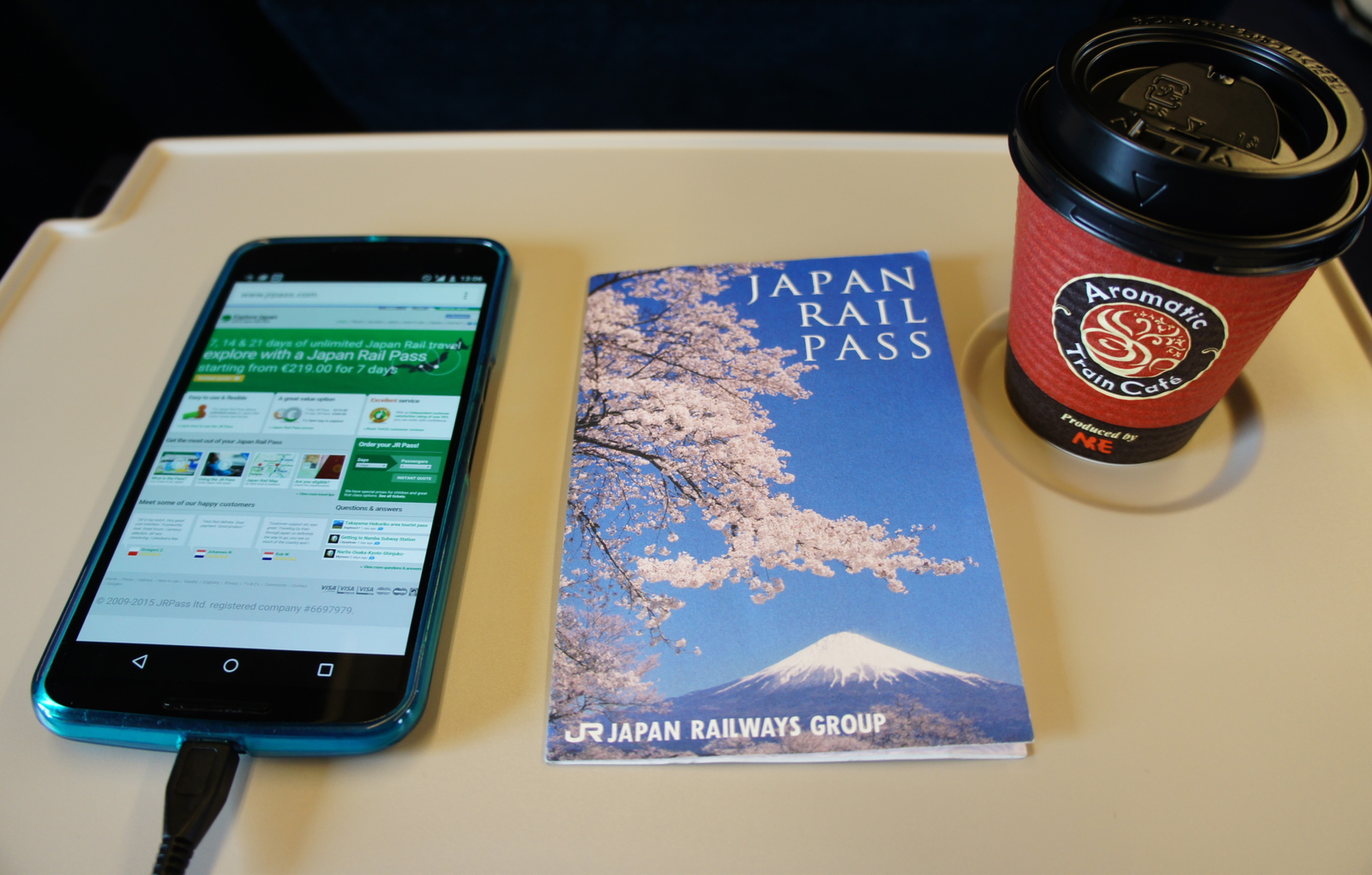
The Japan Rail Pass can make train travel around Japan much easier, but there are several rules and practical details that first-time visitors often overlook.
Some of these details can save you money, while others can help you avoid common mistakes with seat reservations, train types, private railways and pass activation.
Quick Answer: What Should You Know Before Using a JR Pass?
The most important thing to know: a JR Pass does not mean every train in Japan is covered. It works across a very large JR network, but private railways, subways and certain train services have different rules.
You should also calculate whether the pass saves money for your itinerary before buying it rather than assuming it is automatically the cheapest option.
10 JR Pass Tips & Secrets at a Glance
| # | Tip | Why It Matters |
|---|---|---|
| 1 | Calculate before you buy | The nationwide JR Pass is worthwhile only when your eligible journeys justify the price. |
| 2 | Seat reservations are included on eligible trains | You can reserve seats without paying the normal reserved-seat charge each time. |
| 3 | Local JR trains count too | The pass is not only for Shinkansen travel; JR rapid and local trains are also generally included. |
| 4 | Some airport trains are covered | Eligible JR airport services can add useful value to the pass. |
| 5 | Nozomi and Mizuho have special rules | You need a separate JR Pass-exclusive ticket if you want to use these services. |
| 6 | Not every railway is JR | Subways and many private railways require separate tickets or IC-card payment. |
| 7 | Your activation date matters | Grouping expensive journeys into the shortest possible pass period can improve value significantly. |
| 8 | Regional passes can be better value | A regional JR pass may cover your route for much less than the nationwide pass. |
| 9 | Some JR buses and the Miyajima ferry are covered | The pass can include more than rail travel, although coverage has important exceptions. |
| 10 | Use the pass for flexibility, not just savings | Extra eligible day trips and spontaneous changes can add value once the pass is active. |
2026 note: JR Pass rules can change, so always check the latest official conditions before your trip. This guide reflects the current rules as of September 2026.
1. Calculate Before You Buy a JR Pass
One of the biggest mistakes first-time visitors make is buying a Japan Rail Pass before working out whether it actually saves money for their itinerary.
The nationwide JR Pass can still offer excellent value, but it works best when you take several expensive long-distance JR journeys within a relatively short period.
Start with Your Major Train Journeys
List the long-distance trips you expect to take, especially Shinkansen and limited express journeys, and add up the regular ticket prices.
Then compare that total with the price of the 7-day, 14-day or 21-day JR Pass that would cover your travel period.
| Travel Pattern | JR Pass Likely? | Why |
|---|---|---|
| Tokyo → Kyoto → Tokyo | Usually no | A simple round trip normally costs substantially less than a 7-day nationwide pass. |
| Tokyo → Kyoto → Hiroshima → Tokyo | Calculate carefully | The total gets closer to the pass price, but the JR Pass is not automatically cheaper. |
| Several long-distance cities within 7 days | Possibly yes | Multiple expensive Shinkansen and limited express journeys can push individual fares above the pass price. |
| Travel mostly within one region | Often no | A regional JR pass may provide similar coverage for much less. |
Simple rule: If your major eligible JR fares are far below the price of the pass, buy individual tickets. If the totals are close, compare regional passes and other ticket options. If your planned fares comfortably exceed the pass price, the JR Pass becomes much more attractive.
Don’t Count Only the Number of Cities
Visiting five cities does not necessarily mean the JR Pass will save money.
What matters is how far you travel, which trains you use and how closely your expensive journeys fit within the pass validity period.
A traveler moving slowly through several nearby cities may spend far less on trains than someone taking three or four long-distance Shinkansen trips in one week.
Planning tip: Try grouping your most expensive JR journeys into the shortest possible pass period. You can use individual tickets or local transportation before and after the pass is active.
Use Our JR Pass Fare Calculator Guide
We have a separate step-by-step guide showing how to calculate your major train fares, compare real itinerary examples and decide between the nationwide JR Pass, regional passes and individual tickets.
2. Seat Reservations Are Included on Eligible Trains
One of the most useful benefits of the Japan Rail Pass is that you can reserve seats on eligible trains without paying the normal reserved-seat charge each time.
This is especially helpful for long Shinkansen journeys, families or groups who want to sit together, and travelers visiting Japan during busy holiday periods.
When Should You Reserve a Seat?
| Situation | Recommendation |
|---|---|
| Normal weekday travel | Reservations are useful but may not be essential on many routes. |
| Weekend travel | Reserve important long-distance journeys when possible. |
| Golden Week | Reserve as early as you reasonably can. |
| Obon | Expect heavy demand and book important trains early. |
| New Year period | Reservations are strongly recommended because this is one of Japan’s busiest travel periods. |
| Family or group travel | Reserve early if sitting together is important. |
Important: A JR Pass does not guarantee you a seat on a specific train. Popular services can become fully reserved, particularly during Golden Week, Obon and the New Year holiday period.
How Do JR Pass Holders Reserve Seats?
Depending on how and where you purchased your pass, reserved seats can be arranged through eligible JR ticket offices, reserved-seat ticket machines and, in some cases, online reservation services.
The exact process varies by JR company and pass purchase method, so check the current reservation options for the trains you plan to use.
Planning tip: Reserve the journeys that matter most first — for example, your longest Shinkansen trip, a train connected to a flight, or a journey where your family needs to sit together. You do not necessarily need to reserve every short train ride in advance.
What If You Have Oversized Baggage?
On the Tokaido, Sanyo, Kyushu and Nishi-Kyushu Shinkansen, passengers carrying certain oversized baggage need to reserve a designated seat with access to an oversized baggage area.
In general, baggage with combined dimensions of more than 160 cm and up to 250 cm requires an advance reservation for the appropriate seat and baggage space.
Oversized baggage tip: If you are traveling with a large suitcase, do not wait until you are standing on the platform to think about storage. Check the baggage dimensions and reserve the correct seat in advance when required.
Reserved Seats Are Valuable Even When the Pass Only Barely Saves Money
If your individual-ticket total is very close to the price of the JR Pass, included seat reservations can add practical value.
This does not mean you should pay substantially more for a pass just for seat reservations, but it is worth considering when the financial difference is small.
3. Local JR Trains Are Covered Too — Not Just the Shinkansen
Many first-time visitors think of the Japan Rail Pass mainly as a Shinkansen pass, but its coverage is much broader than that.
In addition to eligible Shinkansen and limited express trains, the nationwide JR Pass generally covers JR rapid and local trains across Japan.
Examples of Useful Local JR Travel
| Area | Useful JR Lines / Travel | Why It Helps |
|---|---|---|
| Tokyo | JR Yamanote Line and other JR commuter lines | Useful for moving between major areas such as Tokyo, Shinjuku, Shibuya and Ueno. |
| Osaka | JR Osaka Loop Line and other JR services | Can cover many common journeys around central Osaka. |
| Kyoto | Selected JR lines | Useful for destinations such as Arashiyama and Nara depending on the route. |
| Regional travel | JR local and rapid trains | Helpful for shorter journeys between smaller cities and towns. |
Important: Local JR trains are covered, but that does not mean every train inside a city is included. Subways and private railway companies usually require separate payment.
Tokyo Is a Good Example
In Tokyo, the JR Pass can be used on JR-operated lines such as the Yamanote Line, which connects many major districts.
However, it does not cover the Tokyo Metro or Toei Subway networks.
This means the JR Pass can reduce some local transportation costs, but you may still need an IC card such as Suica or PASMO for non-JR journeys.
What the JR Pass Can Cover Locally
✓ JR local trains
✓ JR rapid services
✓ JR commuter lines in major cities
✓ Some useful airport and regional JR services
What It Usually Does Not Cover
✕ Tokyo Metro
✕ Toei Subway
✕ Osaka Metro
✕ Private railway companies
✕ Most city buses
Local Travel Adds Value — But Don’t Overestimate It
Local JR journeys can add useful extra value once your pass is active, especially if you are moving frequently between cities and stations.
However, local fares are usually much cheaper than long-distance Shinkansen tickets.
Planning tip: Use local JR journeys as a bonus in your JR Pass calculation, not as the main reason to buy the pass. The biggest savings usually come from long-distance travel.
4. Some Airport Trains Are Covered by the JR Pass
The nationwide JR Pass can also be useful for airport travel when the service is operated by JR.
This can add extra value at the beginning or end of your pass period, particularly if your itinerary already comes close to the break-even point.
Useful Airport Services Covered by JR
| Airport | JR-Covered Service | Useful For |
|---|---|---|
| Narita Airport | Narita Express (N’EX) | Travel between Narita Airport and major Tokyo-area stations such as Tokyo, Shinjuku and Yokohama. |
| Haneda Airport | Tokyo Monorail | Travel between Haneda Airport and Hamamatsucho, where you can connect with JR lines. |
| Kansai International Airport | JR Haruka and other eligible JR services | Travel toward Osaka, Kyoto and other JR destinations in the Kansai region. |
Important: Airport transportation is covered only when the service is operated by JR and falls within JR Pass conditions. Private railway airport services require separate payment.
Narita Express
The Narita Express is one of the most useful JR airport services for international visitors arriving at Narita Airport.
It connects Narita Airport with major stations in the Tokyo area and is covered by the nationwide JR Pass while your pass is valid.
Seat reservations are required on Narita Express services, and JR Pass holders can reserve eligible seats without paying the normal reserved-seat fare separately.
Timing tip: If you want to use the Narita Express with your JR Pass, make sure your pass is already valid on the day of your airport journey. Do not activate a multi-day pass early just to cover one airport ride unless it fits the rest of your itinerary.
Tokyo Monorail from Haneda Airport
The Tokyo Monorail between Haneda Airport and Hamamatsucho is also covered by the nationwide JR Pass.
From Hamamatsucho, you can transfer to JR lines such as the Yamanote Line for onward travel around Tokyo.
Good to know: Haneda is also served by Keikyu trains, but Keikyu is a private railway and is not covered by the JR Pass.
For a full comparison of the airport routes, see our Haneda Airport to Tokyo guide, including Keikyu, Tokyo Monorail, buses and routes to the main Tokyo hotel areas.
Kansai International Airport
JR-operated services from Kansai International Airport, including eligible Haruka limited express journeys, can be covered by the JR Pass.
This can be useful if your pass is active when you arrive in or depart from the Kansai region.
However, private railway services such as Nankai trains are not covered by the nationwide JR Pass.
Should Airport Travel Affect Your JR Pass Decision?
Airport rail fares can add some value, but they should usually be treated as a bonus rather than the main reason to buy a nationwide JR Pass.
Planning tip: Calculate your expensive Shinkansen and long-distance journeys first. Then add any JR-covered airport travel if it naturally falls within the pass validity period.
5. Nozomi and Mizuho Are Not Simply “Excluded” Anymore
Older JR Pass guides often say that Nozomi and Mizuho trains are completely excluded from the nationwide Japan Rail Pass.
That is no longer the full story.
JR Pass holders can now use Nozomi and Mizuho services by purchasing a separate Japan Rail Pass Exclusive Nozomi/Mizuho Ticket for the section they want to travel.
Important: Your JR Pass alone is still not enough to board a Nozomi or Mizuho train. You must buy the additional JR Pass-exclusive ticket in advance for each journey where you want to use one of these services.
Which Shinkansen Can You Use Without Paying Extra?
| Service | JR Pass Alone | Extra Ticket Required? |
|---|---|---|
| Hikari | Covered | No |
| Sakura | Covered | No |
| Kodama | Covered | No |
| Tsubame | Covered | No |
| Nozomi | Not covered by the pass alone | Yes — JR Pass Exclusive Nozomi/Mizuho Ticket |
| Mizuho | Not covered by the pass alone | Yes — JR Pass Exclusive Nozomi/Mizuho Ticket |
Why Would You Pay Extra for Nozomi or Mizuho?
Nozomi and Mizuho services are generally faster and, on some routes, more frequent than the JR Pass-covered alternatives.
For example, travelers between Tokyo, Kyoto and Shin-Osaka will often see many more Nozomi departures than Hikari services when checking a timetable.
Paying the supplement may therefore make sense if a particular departure fits your itinerary much better or if saving time is more important than minimizing cost.
Example Supplement Prices
The additional ticket price depends on the section you travel.
Current adult examples include:
Tokyo / Shinagawa → Kyoto: ¥4,960
Tokyo / Shinagawa → Shin-Osaka: ¥4,960
Tokyo / Shinagawa → Hiroshima: ¥6,500
Tokyo / Shinagawa → Hakata: ¥8,140
Supplement prices can change. Always check the latest official fare table before traveling.
Cost tip: If you are buying Nozomi or Mizuho supplements several times during your trip, add those extra costs to your JR Pass calculation. A pass that originally looked like good value may become less attractive once multiple supplements are included.
Do You Need Nozomi or Mizuho?
No. You can still travel extensively around Japan using JR Pass-covered Shinkansen services such as Hikari, Sakura, Kodama and Tsubame.
For many travelers, these trains work perfectly well. The main trade-off is that your journey may take a little longer or you may have fewer departure choices on certain routes.
Our recommendation: Build your itinerary first using JR Pass-covered trains. If a Nozomi or Mizuho service provides a significantly better departure time or saves valuable travel time, then decide whether the additional ticket is worth paying for that specific journey.
6. Not Every Railway in Japan Is JR
One of the most common misunderstandings about the Japan Rail Pass is assuming that it covers every train in Japan.
It does not. Japan has many private railway companies, subway systems and local transportation operators that are completely separate from the JR network.
Simple rule: If the train is operated by JR and the service is covered by the pass rules, your JR Pass may be valid. If it is operated by a private railway, subway or other non-JR company, you will usually need a separate ticket or IC-card payment.
Common Non-JR Railways Travelers Use
| Railway / Operator | Common Area | JR Pass Covered? |
|---|---|---|
| Tokyo Metro | Tokyo | No |
| Toei Subway | Tokyo | No |
| Odakyu | Shinjuku, Hakone and western Tokyo | No |
| Keikyu | Tokyo, Yokohama and Haneda Airport | No |
| Tobu | Tokyo, Nikko and surrounding areas | No, except where special through-service rules apply |
| Kintetsu | Kansai, Nara, Nagoya and Ise | No |
| Nankai | Osaka and Kansai International Airport | No |
| Osaka Metro | Osaka | No |
Tokyo Is a Good Example
In Tokyo, the JR Pass can be used on JR lines such as the Yamanote Line, Chuo Line and other JR-operated services.
But many useful routes are operated by Tokyo Metro, Toei Subway and private railway companies.
That means you may still need an IC card such as Suica or PASMO even when you have an active JR Pass.
Practical tip: Keep an IC card available alongside your JR Pass. It makes it much easier to pay for subways, private railways and other non-JR transportation without buying individual paper tickets every time.
Private Railways Can Sometimes Be the Better Route
Just because the JR Pass covers one route does not mean JR is always the most convenient way to travel.
Private railways may offer a more direct or faster connection to certain destinations.
Examples
Hakone:
Odakyu from Shinjuku is often more convenient than traveling by JR to Odawara and transferring.
Nikko:
Tobu services from Asakusa can be very convenient depending on where you are staying in Tokyo.
Kansai Airport:
Nankai can be convenient for travelers staying around Namba, while JR services may be better for other parts of Osaka or Kyoto.
Don’t force yourself to use JR just because you have a JR Pass. Sometimes paying a small additional fare on a private railway can save significant time or make the journey much simpler.
Through Services Can Be Confusing
Some trains operate over both JR and non-JR tracks during the same journey.
In these cases, the JR Pass may cover only the JR-operated portion, and you may need to pay a separate fare for the non-JR section.
Good to know: If a train leaves a JR line and continues onto a private railway, do not assume the whole journey is covered. Check the route details or ask station staff if you are unsure.
7. Your JR Pass Activation Date Matters More Than You Think
The Japan Rail Pass is valid for 7, 14 or 21 consecutive calendar days, so the date you choose to start using it can have a major effect on whether it saves money.
You do not need to activate the pass on your first day in Japan. In many itineraries, it is better to wait until your expensive long-distance travel begins.
Key strategy: Group your most expensive JR journeys into the shortest possible pass period. Use individual tickets, subways or an IC card before and after the pass is active.
Why Timing Matters
| Travel Pattern | Better Strategy |
|---|---|
| Several Tokyo sightseeing days first | Wait to activate the JR Pass until you begin long-distance travel. |
| Long-distance travel concentrated in one week | Use a 7-day pass instead of automatically buying a 14-day pass. |
| Expensive trips spread over 2–3 weeks | Compare individual tickets or regional passes rather than assuming a longer nationwide pass is best. |
| Airport ride on arrival day | Do not activate a multi-day pass early just to cover one airport journey unless it fits the rest of your itinerary. |
Example: A 10-Day Japan Trip
Imagine this itinerary:
Days 1–3: Tokyo sightseeing
Day 4: Tokyo → Kyoto
Day 6: Kyoto → Hiroshima
Day 8: Hiroshima → Tokyo
In this case, activating a 7-day pass on Day 4 can be much more efficient than activating it on Day 1.
Why this works: Your expensive long-distance journeys fall inside one seven-day period, while the first few Tokyo days can be paid separately with local fares.
Don’t Waste Pass Days on Cheap Local Travel
Local JR trains can add value once the pass is active, but it rarely makes sense to use up several pass days only for low-cost city travel.
If you are spending the first few days exploring Tokyo, Kyoto or Osaka mainly by local trains, subways and walking, those days may be better left outside the nationwide pass period.
Airport Travel Can Affect Activation Timing
JR-covered airport services such as the Narita Express or Tokyo Monorail can add useful value, but they should fit naturally within the pass period.
Activating a 7-day or 14-day pass early just to cover an airport ride can reduce the value of the pass if your expensive Shinkansen travel happens later.
Planning tip: Before choosing your activation date, write down the dates of your most expensive JR journeys first. Then work backward to find the shortest pass period that covers as many of them as possible.
If you are still deciding whether to buy one, start with my Japan Rail Pass guide for current prices, coverage, and purchase options.
8. Regional JR Passes Can Be Better Value Than the Nationwide Pass
The nationwide Japan Rail Pass gets most of the attention, but it is not always the best rail pass for your trip.
If most of your travel is concentrated in one part of Japan, a regional JR pass can often provide similar or better coverage for much less money.
Key point: Before buying a nationwide JR Pass, always check whether a regional pass covers the same journeys you actually plan to take.
When a Regional Pass Makes More Sense
| Travel Style | Better Option to Check | Why |
|---|---|---|
| Mostly Hokkaido | Hokkaido regional rail passes | You may get broad JR coverage within Hokkaido without paying for nationwide travel you will not use. |
| Kansai + Hiroshima | Kansai-Hiroshima Area Pass | Can be particularly useful for travel around Osaka, Kyoto, Himeji, Okayama, Hiroshima and Miyajima. |
| Mostly Kyushu | JR Kyushu Rail Pass | Can provide excellent value for trips around Fukuoka, Nagasaki, Kumamoto, Kagoshima and other Kyushu destinations. |
| Tokyo → Kanazawa → Kyoto / Osaka | Hokuriku Arch Pass | Designed for travel between Tokyo and Kansai via the Hokuriku region. |
| Nagoya, Takayama, Shirakawa-go & Kanazawa | Takayama-Hokuriku Area Tourist Pass | Useful for a concentrated Central Japan itinerary. |
Regional Passes Can Work Better on Longer Trips
A regional pass can also be useful if your Japan trip lasts two or three weeks but your expensive rail travel is concentrated in just one part of the country.
Instead of paying for a longer nationwide pass, you might buy individual tickets between major regions and use a regional pass only where it gives you the most value.
Example Strategy
Imagine a trip like:
Tokyo → Kyoto → Hiroshima → Fukuoka → travel around Kyushu
One option is to buy a nationwide JR Pass.
Another is to buy individual tickets for the Tokyo-to-western-Japan portion and then use a JR Kyushu Rail Pass for the regional part of the trip.
Depending on your exact itinerary, the second combination may be cheaper.
Don’t think in terms of one pass for the whole trip. Sometimes the best-value solution is a combination of individual tickets, one regional pass and an IC card for local transportation.
Check the Coverage Carefully
Regional passes have their own validity periods, route maps and restrictions.
Some cover certain Shinkansen sections, limited express trains or buses, while others exclude services you might expect to be included.
Important: Never choose a regional pass based only on its name. Check the official coverage map and make sure the stations and trains in your itinerary are actually included.
Compare JR Regional Passes
We have a separate guide comparing the main regional JR passes and the kinds of itineraries where each one works best.
9. The JR Pass Can Cover More Than Trains
The Japan Rail Pass is mainly known for rail travel, but its coverage can extend beyond trains.
Depending on the service, the nationwide JR Pass can also be used on selected JR Bus routes and the JR-West Miyajima Ferry.
Good to know: These extra forms of transportation can add useful value to the pass, but coverage is not universal. Always check that the specific bus or ferry service you plan to use is included.
JR Bus Services
The nationwide JR Pass is valid on many fixed-route buses operated by JR Bus companies.
These services can be useful in some regional areas where buses connect JR stations with nearby towns or attractions.
| Transport | JR Pass Coverage | Important Note |
|---|---|---|
| JR fixed-route buses | Many routes covered | Some routes are excluded, and coverage can change. |
| Express / highway buses | Generally not covered | Do not assume a bus is included simply because it carries the JR name. |
| Non-JR local buses | Not covered | Separate payment is normally required. |
Bus tip: If a bus is important to your itinerary, check the latest official coverage before traveling. JR Bus eligibility can vary by route and may change over time.
The JR-West Miyajima Ferry Is Covered
One of the most useful non-train benefits of the nationwide JR Pass is the JR-West Miyajima Ferry between Miyajimaguchi and Miyajima.
This makes it easy to combine a JR train journey from Hiroshima with the ferry ride to Miyajima as part of the same sightseeing trip.
Visiting Miyajima with a JR Pass
A typical JR Pass journey can look like this:
Hiroshima Station → Miyajimaguchi Station
Travel by JR train.
Miyajimaguchi → Miyajima
Continue on the JR-West Miyajima Ferry.
Both parts can be covered by the nationwide JR Pass, subject to the current pass conditions.
Miyajima visitor tax: Even when the JR-West ferry fare is covered by your JR Pass, visitors must separately pay the current ¥100 Miyajima Visitor Tax.
Make Sure You Board the JR Ferry
More than one ferry operator serves the Miyajimaguchi–Miyajima route.
The nationwide JR Pass specifically covers the JR-West Miyajima Ferry, so check the operator before boarding rather than assuming every ferry is included.
Simple rule: JR Pass coverage follows the operator. A train, bus or ferry serving the same destination may still require separate payment if it is run by a non-JR company.
These Extras Are a Bonus, Not the Main Reason to Buy the Pass
JR buses and the Miyajima ferry can increase the value of an active pass, but they are generally much less expensive than long-distance Shinkansen travel.
As with local JR trains, treat these benefits as useful extras after you have calculated whether your major long-distance journeys justify the cost of the pass.
10. Use the JR Pass for Flexibility — Not Just Savings
The Japan Rail Pass is usually judged by whether it saves money, but convenience and flexibility can also add real value.
Once your pass is active, eligible JR journeys are already covered, so it can be easier to add a spontaneous day trip, change your route or take an extra train without worrying about the cost of every individual ticket.
Best use of this flexibility: Let the JR Pass make a good-value itinerary more convenient. Do not buy an expensive pass purely for flexibility if your planned fares are far below the pass price.
Spontaneous Day Trips Can Add Value
If your itinerary changes because of weather, crowds or simply because you discover somewhere new, an active JR Pass can make an extra eligible train journey much easier to justify.
| Situation | How the JR Pass Can Help |
|---|---|
| Weather changes your plans | You may be able to switch to another JR-accessible destination without buying a completely new long-distance ticket. |
| You finish sightseeing early | An additional nearby JR day trip can add value to an already-active pass. |
| You change hotels or cities | Eligible JR travel may already be covered, making itinerary changes easier. |
| You want to revisit somewhere | A second eligible JR journey does not require paying the normal fare again. |
Good Examples of Flexible JR Travel
Depending on where you are staying, an active JR Pass can make it easier to add trips such as:
From Tokyo:
Sendai, Nagano, Karuizawa or other destinations on eligible JR routes.
From Kyoto or Osaka:
Himeji, Okayama, Hiroshima or other JR-accessible destinations.
From Fukuoka:
Additional JR trips around Kyushu, depending on your route and pass validity.
Planning tip: Treat spontaneous trips as a bonus. Your planned itinerary should already make reasonable financial sense before you buy the pass.
Changing Seat Reservations Can Be Helpful Too
Flexibility is not only about adding destinations. Plans can change during the day, and having rail coverage can make it easier to adjust eligible journeys.
If you decide to leave a city earlier or later than expected, you may be able to reserve another eligible train, subject to seat availability and the applicable reservation rules.
Remember: Flexibility does not mean guaranteed seats. Popular trains can fill up, so important journeys should still be reserved early when possible.
When Flexibility Can Tip the Balance
Suppose your calculated individual fares are only slightly below the price of the JR Pass.
In that situation, the ability to make extra eligible journeys, reserve seats and change your itinerary more easily may be worth considering.
| Fare Comparison | What We Would Usually Do |
|---|---|
| Individual fares far below JR Pass price | Buy individual tickets. |
| Individual fares close to JR Pass price | Consider convenience, flexibility and regional-pass alternatives. |
| Individual fares clearly exceed JR Pass price | The JR Pass is much more likely to be a strong choice. |
Bottom line: The best JR Pass itinerary is one where the numbers already work and the flexibility becomes an extra benefit — not one where you have to invent extra train trips just to justify the cost.
JR Pass FAQ
Is the Japan Rail Pass still worth it?
Yes, but only for certain itineraries.
The nationwide JR Pass is most likely to offer good value when you take several expensive long-distance JR journeys within a relatively short period.
For simpler itineraries, individual tickets or a regional JR pass may be cheaper.
Does the JR Pass cover all trains in Japan?
No.
The pass covers eligible JR trains across Japan, including many Shinkansen, limited express, rapid and local services.
It does not generally cover private railways, subways or non-JR transportation.
Can I use Nozomi and Mizuho trains with a JR Pass?
Yes, but not with the JR Pass alone.
You need to purchase a separate JR Pass Exclusive Nozomi/Mizuho Ticket for the section you want to travel.
Otherwise, use JR Pass-covered services such as Hikari, Sakura, Kodama or Tsubame where available.
Are seat reservations included with the JR Pass?
Seat reservations on eligible trains are generally included without paying the normal reserved-seat charge separately.
Reservations are particularly useful for long journeys, families and busy travel periods.
Do I need to reserve every Shinkansen seat?
No.
Some eligible Shinkansen services have non-reserved seating, while others require reservations.
Even when reservations are optional, reserving important journeys is recommended during busy periods.
Can I use the JR Pass on Tokyo trains?
Yes, on JR-operated lines such as the Yamanote Line and other eligible JR services.
However, Tokyo Metro, Toei Subway and private railway lines are not covered.
Does the JR Pass cover airport trains?
Some airport services are covered.
Examples include eligible JR services such as the Narita Express and Haruka, as well as the Tokyo Monorail from Haneda Airport.
Private railway airport services require separate payment.
Does the JR Pass cover buses and ferries?
Some JR-operated bus services are covered, although there are exceptions.
The JR-West Miyajima Ferry is also covered by the nationwide JR Pass, but the separate Miyajima Visitor Tax still applies.
When should I activate my JR Pass?
Activate it when your expensive long-distance JR travel begins rather than automatically starting it on your first day in Japan.
Grouping your major journeys into the shortest possible pass period can significantly improve value.
Should I buy a nationwide JR Pass or a regional pass?
It depends on your itinerary.
If most of your travel is concentrated in one region, a regional JR pass may provide better value than the nationwide pass.
Do I still need an IC card if I have a JR Pass?
Usually, yes.
An IC card such as Suica or PASMO is useful for subways, private railways, buses and other transportation that is not covered by the JR Pass.
Bottom line: The JR Pass is most useful when you understand exactly what it covers, activate it at the right time and choose it because it fits your itinerary — not simply because you are traveling around Japan.
Related Guides
Japan Rail Pass Guide
Learn how the nationwide Japan Rail Pass works, what it covers, current prices, eligibility rules and when it can still be a good choice for your itinerary.
JR Pass Fare Calculator
Compare current JR Pass prices with individual train fares and real itinerary examples to see whether the nationwide pass will actually save you money.
JR Regional Passes
Compare regional JR passes for Hokkaido, Kansai, Kyushu, Hokuriku and other parts of Japan to see whether a regional pass fits your route better.
Before You Buy a JR Pass
Compare the cost of your planned train journeys with the current JR Pass price. Depending on your route, individual tickets or a regional pass may offer better value.
About Train Travel Japan
Train Travel Japan is written from firsthand experience traveling throughout Japan by rail. I am a Japanese native based in Canada and have traveled to all 47 prefectures of Japan over more than 30 years.
My goal is to make Japan train travel easier to understand, especially for international visitors planning JR Pass trips, regional rail journeys and independent itineraries.