
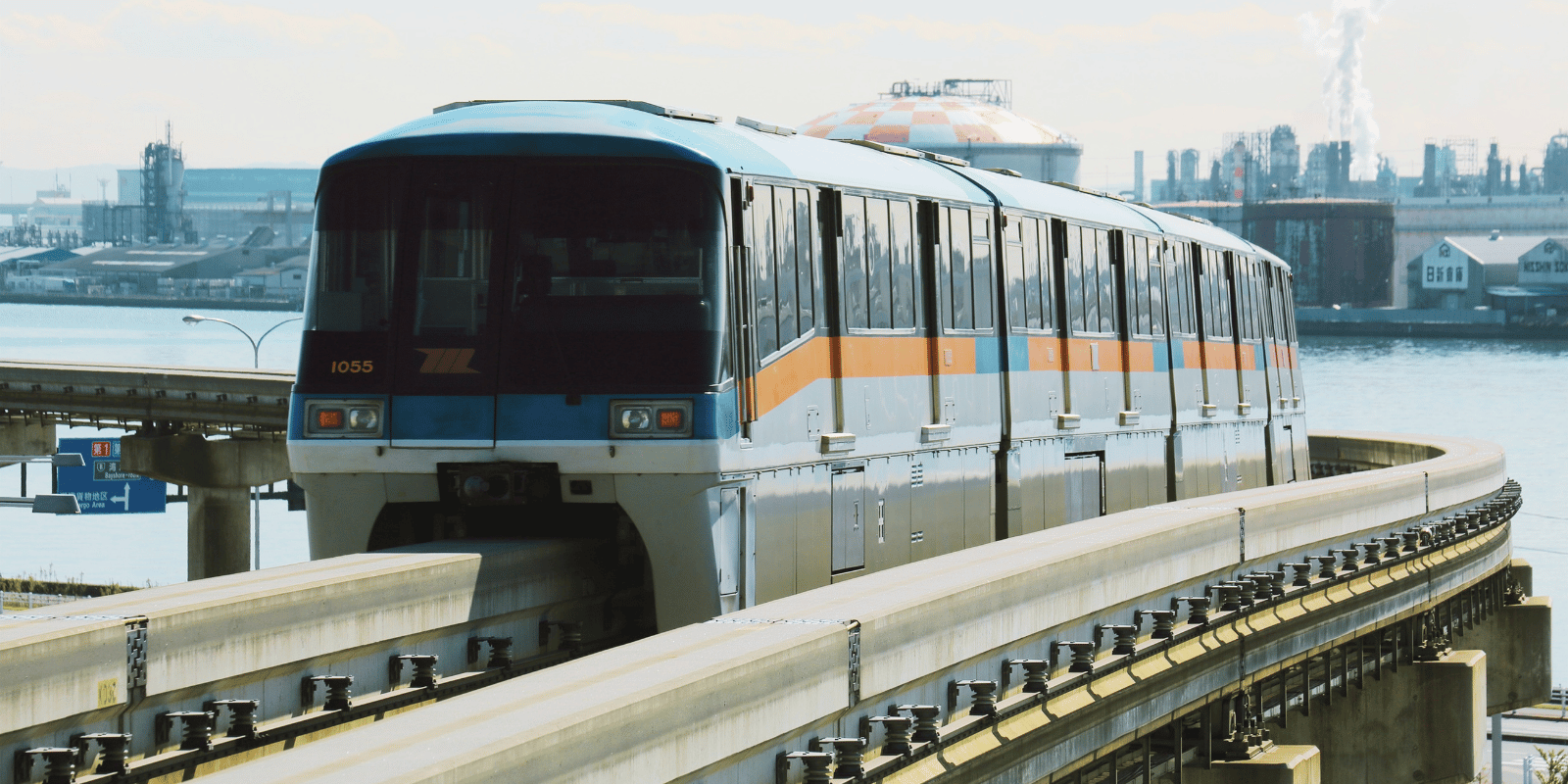
Haneda Airport is one of the easiest major airports in Japan for reaching central Tokyo. Depending on where your hotel is located, you can be in central Tokyo in around 15–30 minutes by train.
The two main rail options are the Keikyu Line and the Tokyo Monorail. Keikyu is particularly convenient for Shinagawa and areas connected by the Toei Asakusa Line, while the Tokyo Monorail is convenient for Hamamatsucho and onward JR connections.
Airport limousine buses and taxis can also be useful, especially if you have heavy luggage, young children or a hotel with a convenient direct bus stop.
Haneda Airport to Tokyo at a Glance
The easiest route from Haneda Airport depends on your hotel’s nearest station. Start with your destination below, then compare departures for your arrival time.
Time estimates: The ranges below are planning estimates from Haneda Airport Terminal 3 Station to your destination station, allowing some time for waiting and transfers. They exclude immigration, baggage collection and the walk to your hotel. Journeys can take longer depending on the connection.
On smaller screens, scroll sideways to see the full table.
| Your Destination | Route to Consider | Train Changes | Allow Approximately |
|---|---|---|---|
| Shinagawa | Keikyu train toward Shinagawa. | 0 on a direct service | 15–25 minutes |
| Hamamatsucho | Tokyo Monorail to Monorail Hamamatsucho. | 0 | 15–25 minutes |
| Tokyo Station | Tokyo Monorail to Hamamatsucho, then JR to Tokyo. Keikyu via Shinagawa is another useful option. | 1 | 25–40 minutes |
| Shibuya | Keikyu to Shinagawa, then the JR Yamanote Line toward Shibuya. | 1 | 30–45 minutes |
| Shinjuku | Keikyu to Shinagawa, then the JR Yamanote Line toward Shibuya and Shinjuku. | 1 | 40–55 minutes |
| Asakusa | A Keikyu service continuing onto the Toei Asakusa Line and stopping at Asakusa. | 0 on a suitable through service; other departures may require a change | 40–55 minutes |
| Ueno | Tokyo Monorail to Hamamatsucho, then the JR Yamanote Line or a suitable Keihin-Tohoku Line service to Ueno. | 1 | 35–50 minutes |
Quick Recommendation
- For Shinagawa, Shibuya or Shinjuku: Start by checking Keikyu departures toward Shinagawa.
- For Hamamatsucho, Tokyo Station or Ueno: Compare the Tokyo Monorail route via Hamamatsucho.
- For Asakusa: Look for a suitable through train. You can stay on the same train when it continues from Keikyu onto the Toei Asakusa Line.
- For a hotel with a direct airport bus stop: Compare the bus with the train, especially if you have large suitcases or young children.
- For a late arrival or door-to-door journey: Check taxi options and the last public transport departures before you travel.
Check the Train Destination Before Boarding
Not every Keikyu departure goes toward central Tokyo, and not every Tokyo-bound train continues to Asakusa. Check the platform display and your route search before boarding.
A railway name changing during a through service does not necessarily mean you need to change trains. Follow the instructions for your specific departure.
When a Bus or Taxi May Be Easier
Airport limousine bus: Useful when a service stops at your hotel or nearby. Compare the exact stop, departure time, fare and luggage conditions. Traffic can affect journey times.
Taxi: Useful for door-to-door travel, heavy luggage or arrivals after public transport finishes. Confirm the fare arrangement, any tolls or late-night charges, and whether the vehicle can accommodate your group and bags.
Compare the Complete Journey to Your Hotel
The fastest ride to Shinagawa or Hamamatsucho is only part of the journey. Include transfers, station exits and the final walk when choosing your route.
Arriving at Terminal 1 or 2? Select your actual terminal in the route search. The estimates above start at Terminal 3.
Check current fares and departures: Use the Keikyu route and fare search or Tokyo Monorail access guide . Include any onward JR or subway journey when comparing the total cost.
Route information checked October 24, 2026. Time ranges are editorial planning estimates, not guaranteed journey times or published timetables.
Which Haneda Airport Terminal Do You Arrive At?
Haneda Airport has three passenger terminals, and it is important to check your terminal before planning your train route.
Terminal 1
Terminal 1 is primarily used for domestic flights, including many Japan Airlines flights.
Terminal 2
Terminal 2 handles domestic flights and also serves some international flights.
This is important for international travelers because you should not automatically assume that every international flight arrives at Terminal 3.
Terminal 3
Terminal 3 is the main international terminal at Haneda and is used by many international airlines.
Train Stations at Each Terminal
Both Keikyu and the Tokyo Monorail serve Haneda Airport, but their station arrangements are slightly different.
- Keikyu: Terminal 1 and Terminal 2 share Haneda Airport Terminal 1・2 Station, while Terminal 3 has its own station.
- Tokyo Monorail: Terminals 1, 2 and 3 each have their own monorail station.
Option 1: Keikyu Line from Haneda Airport
The Keikyu Airport Line is a practical, inexpensive option for reaching Shinagawa and connecting to other parts of Tokyo. Selected services also continue onto the Toei Asakusa Line.
Keikyu lists a journey time to Shinagawa Station of about 11 minutes from Terminal 3, or 14 minutes from Terminal 1・2 Station, on fast services. Slower services and waiting time can make your journey longer.
From Shinagawa, you can transfer to JR trains for Shibuya, Shinjuku, Tokyo Station and Ueno. Allow additional time to walk between platforms and wait for your connection.
An adult one-way paper ticket from Terminal 3 to Shinagawa costs ¥330. IC-card fares can differ slightly. Onward JR or subway travel costs extra.
Best Destinations for Keikyu
- Shinagawa: Direct access on suitable Tokyo-bound services.
- Shibuya: Keikyu to Shinagawa, then the JR Yamanote Line toward Shibuya.
- Shinjuku: Keikyu to Shinagawa, then the JR Yamanote Line toward Shibuya and Shinjuku.
- Asakusa: Selected through services reach Asakusa on the Toei Asakusa Line without a train change.
- Tokyo Skytree / Oshiage: Selected through services continue to Oshiage.
Through Trains to the Toei Asakusa Line
Some Tokyo-bound Keikyu trains continue beyond Shinagawa and Sengakuji onto the Toei Asakusa Line. On a suitable service, you can reach Higashi-Ginza, Nihombashi, Asakusa or Oshiage without changing trains.
The railway name changes along the route, but you can remain onboard if your train continues to your destination.
Check before boarding: Some airport departures head toward Yokohama, and not every Tokyo-bound train continues to Asakusa or Oshiage. Check the destination display and the stopping pattern for your particular departure.
Fare and route information checked October 24, 2026. Check your actual terminal, destination and departure time using the official Keikyu route and fare search .
Option 2: Tokyo Monorail from Haneda Airport
The Tokyo Monorail connects all three Haneda Airport terminals with Monorail Hamamatsucho Station.
From Terminal 3, the fastest Airport Rapid services reach Hamamatsucho in about 13 minutes.
The regular adult fare from Terminal 3 to Hamamatsucho is currently ¥520.
At Hamamatsucho, you can transfer to JR lines for destinations across central Tokyo.
Best Destinations for the Tokyo Monorail
- Hamamatsucho: Direct from Haneda.
- Tokyo Station: Monorail to Hamamatsucho, then JR.
- Ueno: Monorail to Hamamatsucho, then JR.
- Shimbashi: Easy JR connection from Hamamatsucho.
- Tokyo Disney Resort: The monorail can also work well as part of a rail connection toward the Tokyo Bay area.
The Tokyo Monorail operates very frequently, with trains running at average intervals of around five minutes during much of the day.
Keikyu vs Tokyo Monorail: Which Is Better?
Both connect Haneda Airport with central Tokyo. Choose based on your hotel’s nearest station, the number of transfers and the total fare to your destination.
| Feature | Keikyu | Tokyo Monorail |
|---|---|---|
| Main Tokyo Gateway | Shinagawa | Hamamatsucho |
| Fast-Service Time From Terminal 3 | About 11 minutes to Shinagawa | About 13 minutes to Hamamatsucho |
| Adult One-Way Paper-Ticket Fare to Gateway | ¥330 to Shinagawa | ¥520 to Hamamatsucho |
| Useful Destinations | Shinagawa; Shibuya and Shinjuku via JR; Asakusa and Oshiage on suitable through services | Hamamatsucho; Tokyo Station and Ueno via JR |
| Through Trains onto the Subway | Selected services continue onto the Toei Asakusa Line | No; change trains for onward travel |
Times are for fast services from Terminal 3 and exclude waiting time. Slower services take longer. Fares shown cover only the airport-to-gateway journey; onward JR or subway travel costs extra. IC-card fares may differ slightly.
Choose Keikyu If…
- Your hotel is near Shinagawa.
- You are heading to Shibuya or Shinjuku and prefer to connect with JR at Shinagawa.
- You can take a through train to your destination on the Toei Asakusa Line.
- Its total fare and connections suit your journey better.
Choose the Tokyo Monorail If…
- Your hotel is near Hamamatsucho.
- You are heading to Tokyo Station, Ueno or another destination conveniently reached by JR from Hamamatsucho.
- The next monorail departure provides a convenient connection for your arrival time.
- You have a valid pass or discount ticket covering your planned monorail journey.
Compare the complete journey: A short airport train ride does not necessarily mean the quickest trip to your hotel. Include waiting time, transfers, station exits and the final walk when choosing between Shinagawa and Hamamatsucho.
Haneda Airport to Tokyo Station
For many travelers heading to Tokyo Station, the Tokyo Monorail via Hamamatsucho is one of the simplest rail routes.
- Take the Tokyo Monorail from your Haneda Airport terminal to Hamamatsucho Station.
- Transfer to the JR Yamanote Line or Keihin-Tohoku Line.
- Ride a few stops to Tokyo Station.
Tokyo Monorail currently advertises a fastest journey of about 19 minutes from Haneda Airport Terminal 3 to Tokyo Station, including the onward JR connection. Your actual journey can be longer depending on the transfer and waiting time.
Can You Use Keikyu Instead?
Yes. You can take Keikyu to Shinagawa and transfer to JR for Tokyo Station.
This is also a perfectly good route, particularly if a Keikyu train is leaving sooner or your hotel is better positioned for the Shinagawa side of Tokyo.
Haneda Airport to Shinjuku
There is no direct airport train from Haneda to Shinjuku. The routes below require one transfer to the JR Yamanote Line.
Option 1: Keikyu via Shinagawa
- Take a Keikyu train heading toward Shinagawa Station.
- Transfer to the JR Yamanote Line toward Shibuya and Shinjuku.
- Get off at Shinjuku Station.
Keikyu lists a representative journey time of about 30 minutes from Haneda Airport Terminal 3, or 33 minutes from Terminal 1・2 Station, depending on the service and connection.
For planning, allow approximately 40–55 minutes from Terminal 3 Station, including some waiting and transfer time. This is an estimate, not a guaranteed journey time. Allow additional time to find your exit and walk to your hotel.
Option 2: Tokyo Monorail via Hamamatsucho
- Take the Tokyo Monorail to Monorail Hamamatsucho Station.
- Follow the signs to JR Hamamatsucho Station.
- Take the JR Yamanote Line toward Shinagawa, Shibuya and Shinjuku.
Tokyo Monorail advertises a journey to Shinjuku in as little as 37 minutes from Terminal 3 with a favorable connection. Your actual journey may take longer because of waiting time and the walk between platforms.
Train Travel Japan Tip: Start by comparing Keikyu via Shinagawa for Shinjuku. If you have large suitcases or young children, also check whether an airport limousine bus stops at your hotel or nearby. A convenient bus stop can reduce walking and transfers, although road traffic may lengthen the journey.
Check your actual arrival terminal and departure time using the Keikyu route search or Tokyo Monorail access guide . Journey times exclude immigration and baggage collection.
Haneda Airport to Shibuya
For Shibuya, Keikyu via Shinagawa is a straightforward rail option with one train change.
Keikyu via Shinagawa
- Take a Keikyu train heading toward Shinagawa Station.
- Transfer to the JR Yamanote Line toward Shibuya and Shinjuku.
- Get off at Shibuya Station.
Keikyu lists a representative journey time of about 23 minutes from Haneda Airport Terminal 3, or 26 minutes from Terminal 1・2 Station, depending on the train and connection.
For planning, allow approximately 30–45 minutes from Terminal 3 Station, including some waiting and transfer time. This is an estimate, not a guaranteed journey time. Allow additional time to find your exit and walk to your hotel.
Alternative: Tokyo Monorail via Hamamatsucho
Take the Tokyo Monorail to Monorail Hamamatsucho Station, then follow the signs to JR Hamamatsucho. Transfer to the JR Yamanote Line toward Shinagawa and Shibuya.
Tokyo Monorail advertises a journey to Shibuya in as little as 30 minutes from Terminal 3 with a favorable connection. Actual travel time may be longer.
Train Travel Japan Tip: Start by checking Keikyu via Shinagawa, then compare the next available departures. Before arriving at Shibuya, check which station exit is closest to your hotel to avoid unnecessary walking with luggage.
Check your actual terminal and departure time using the Keikyu route search or Tokyo Monorail access guide . Journey times exclude immigration and baggage collection.
Haneda Airport to Asakusa
For Asakusa, a Keikyu train continuing onto the Toei Asakusa Line can be particularly convenient. On a suitable through service, you can reach Asakusa without changing trains.
Keikyu lists a representative journey time of about 34 minutes from Haneda Airport Terminal 3, or 37 minutes from Terminal 1・2 Station. Your journey time depends on the departure and stopping pattern.
For planning, allow approximately 40–55 minutes from Terminal 3 Station, including some waiting time. This is an estimate, not a guaranteed journey time. Allow additional time for the walk from Asakusa Station to your hotel.
How the Route Works
- Check for a Keikyu departure that continues onto the Toei Asakusa Line and stops at Asakusa.
- Board the indicated train and stay onboard as it continues onto the subway line.
- Get off at Asakusa Station.
Not every airport departure provides a direct journey to Asakusa. Depending on the train, a transfer may be necessary. Check your specific departure rather than assuming that every Keikyu train follows the same route.
Train Travel Japan Tip: A suitable through train avoids a transfer with luggage. Check your hotel’s location relative to the Toei Asakusa Line station, since the final walk also affects how convenient this route will be.
Check your terminal, departure time and required transfers using the official Keikyu route search . Journey times exclude immigration and baggage collection.
Haneda Airport to Ueno
For Ueno, the Tokyo Monorail via Hamamatsucho is a straightforward option.
- Take the Tokyo Monorail from Haneda Airport to Hamamatsucho Station.
- Transfer to the JR Yamanote Line or Keihin-Tohoku Line.
- Continue north to Ueno Station.
Tokyo Monorail currently gives a representative fastest journey of about 27 minutes from Haneda Airport Terminal 3 to Ueno, including the JR connection.
Keikyu via Shinagawa and JR is also possible, so it is worth comparing the next available departure if timing is important.
Airport Limousine Bus From Haneda Airport
The Airport Limousine Bus can be a very convenient alternative to the train, particularly if your hotel or neighborhood has a direct bus stop.
Bus services from Haneda Airport serve a variety of major Tokyo areas and selected hotels, including locations around:
- Shinjuku
- Shibuya
- Tokyo Station / Marunouchi
- Shinagawa
- Asakusa
- Ikebukuro
- Roppongi / Akasaka
- Tokyo Bay and Disney-area hotels
When the Limousine Bus Is a Good Choice
- Your hotel has a direct or nearby bus stop.
- You are traveling with large suitcases.
- You are traveling with young children.
- You want to avoid carrying luggage through large railway stations.
- Your destination would otherwise require several train transfers.
When the Train Is Usually Better
Rail travel is usually more predictable because buses can be delayed by Tokyo traffic.
If your hotel is close to a station with an easy Keikyu or Monorail connection, the train will often be faster and cheaper.
Taxi From Haneda Airport to Tokyo
A taxi is the easiest door-to-door option from Haneda Airport, but it is considerably more expensive than the train.
Haneda Airport offers flat-rate taxi fares to many parts of Tokyo. The exact fare depends on your destination area, and expressway tolls are charged separately.
When a Taxi Can Be Worth It
- You are traveling as a family or small group and can split the cost.
- You have several large suitcases.
- You arrive after trains and buses have stopped running.
- Your hotel is inconvenient to reach by public transportation.
- You simply want the easiest possible journey after a long flight.
Taxi ranks are available at the passenger terminals, including Terminal 3 for international arrivals.
Late-Night and Early-Morning Arrivals at Haneda Airport
Haneda Terminal 3 operates around the clock, but Tokyo’s trains do not run 24 hours a day.
If your flight arrives late at night, immigration, baggage collection and customs can take enough time that you may miss the last train even if your scheduled arrival time looks early enough.
Keikyu currently operates a late train from Haneda Airport Terminal 3 at around 00:08, arriving at Shinagawa at around 00:20. Timetables can change, so always check your actual travel date rather than relying on this time as a permanent last-train schedule.
If You Miss the Last Train
Your main alternatives are:
- Taxi or pre-arranged car service
- A late-night airport bus, if a suitable route is operating
- Staying at or near Haneda Airport and traveling into Tokyo the following morning
Using Suica, PASMO and IC Cards From Haneda Airport
You do not need to buy a special airport train ticket for ordinary Keikyu or Tokyo Monorail travel.
Transportation IC cards such as Suica and PASMO can be used by touching the card at the ticket gate when entering and leaving the railway system.
This is particularly convenient if you will be using trains, subways and buses regularly during your stay in Tokyo.
Buying an IC Card at Haneda Airport
International visitors currently have several options at Haneda Airport Terminal 3.
- Welcome Suica: Available from the JR EAST Travel Service Center and Welcome Suica vending machines at Haneda Airport Terminal 3.
- TOURIST PASMO: Available from Keikyu facilities and traveler ticket machines at Haneda Airport.
- Mobile IC card: Eligible smartphone users may also be able to set up a Suica-compatible mobile option before or during their trip.
Once you have an IC card, simply load money onto it and tap through the gates. You can also use transportation IC cards for many convenience stores, vending machines and other everyday purchases.
Can You Use the Japan Rail Pass From Haneda Airport?
Yes, but only on certain transportation.
Tokyo Monorail
The Tokyo Monorail is covered by the nationwide Japan Rail Pass.
If your Japan Rail Pass is already valid, you can use it to travel from Haneda Airport to Hamamatsucho without buying a separate Monorail ticket.
From Hamamatsucho, you can also continue on covered JR trains toward destinations such as Tokyo Station, Ueno, Shibuya or Shinjuku.
Keikyu
Keikyu is not covered by the nationwide Japan Rail Pass because it is a private railway rather than part of the JR network.
If you choose Keikyu, you will need to pay the Keikyu fare separately even if you have a Japan Rail Pass.
See our complete Japan Rail Pass guide for current prices, coverage and advice on whether the pass is worth buying.
Traveling From Haneda Airport With Luggage or Children
Both Keikyu and the Tokyo Monorail are easy to use, but traveling with several suitcases, a stroller or young children can change which option feels most convenient.
If You Have Large Suitcases
Unlike the Shinkansen, ordinary airport and commuter trains do not have reserved oversized-luggage spaces.
If you are traveling during busy commuting hours, managing several large bags while transferring between trains can be uncomfortable.
In that situation, consider:
- An Airport Limousine Bus if it stops close to your hotel
- A taxi for door-to-door transportation
- Sending your luggage separately to your hotel
Same-Day Luggage Delivery From Terminal 3
Haneda Airport Terminal 3 currently has a same-day luggage delivery service that can send baggage to participating accommodation in central Tokyo and surrounding areas.
This can be useful if you arrive early, want to start sightseeing immediately, or simply do not want to carry large luggage through Tokyo’s stations.
Traveling With Young Children
Families may find a direct train, limousine bus or taxi more comfortable than a route involving several transfers.
If you are using a stroller, elevators are available at major stations, but large Tokyo stations can still involve considerable walking.
Best Haneda Airport Route by Tokyo Hotel Area
If you already know where your hotel is located, this quick guide can help narrow down the best airport route.
| Hotel Area | Good First Option | Typical Route |
|---|---|---|
| Shinagawa | Keikyu | Direct to Shinagawa |
| Tokyo Station / Marunouchi | Tokyo Monorail | Monorail to Hamamatsucho → JR to Tokyo |
| Shibuya | Keikyu | Keikyu to Shinagawa → JR to Shibuya |
| Shinjuku | Keikyu | Keikyu to Shinagawa → JR to Shinjuku |
| Asakusa | Keikyu / Toei Asakusa Line | Use a direct through-service when available |
| Ueno | Tokyo Monorail | Monorail to Hamamatsucho → JR to Ueno |
| Hamamatsucho | Tokyo Monorail | Direct to Hamamatsucho |
These are starting recommendations rather than strict rules. The best route can change depending on your exact hotel location, the train departing next and how much luggage you are carrying.
Haneda Airport to Tokyo FAQ
What is the fastest train from Haneda Airport to central Tokyo?
The fastest option depends on your destination. Keikyu can reach Shinagawa in about 14 minutes from Terminal 3, while the Tokyo Monorail can reach Hamamatsucho in about 13 minutes.
Is Keikyu or the Tokyo Monorail better?
Neither is universally better. Keikyu is especially convenient for Shinagawa and destinations served by the Toei Asakusa Line, while the Tokyo Monorail works particularly well for Hamamatsucho and onward JR connections.
What is the easiest way from Haneda Airport to Tokyo Station?
The Tokyo Monorail to Hamamatsucho followed by a short JR ride to Tokyo Station is one of the simplest options.
What is the easiest way from Haneda Airport to Shinjuku?
Keikyu to Shinagawa followed by JR to Shinjuku is often a convenient rail route. If you have several large suitcases, also check whether an Airport Limousine Bus serves your hotel area.
Can I go directly from Haneda Airport to Asakusa?
Yes, on some Keikyu services that continue onto the Toei Asakusa Line. Check the train destination before boarding because not every airport train continues directly to Asakusa.
Can I use Suica or PASMO from Haneda Airport?
Yes. Transportation IC cards such as Suica and PASMO can be used on ordinary Keikyu and Tokyo Monorail journeys.
Does the Japan Rail Pass cover transportation from Haneda Airport?
The nationwide Japan Rail Pass covers the Tokyo Monorail but does not cover Keikyu.
What if I arrive after the last train?
You may need to use a taxi, a suitable late-night airport bus, or stay near Haneda Airport and travel into central Tokyo the following morning.
Which option is best with children and large luggage?
The route with the fewest transfers is often the easiest. A direct limousine bus or taxi may be worth considering if you have several large bags, a stroller or young children.
Final Thoughts: The Best Way From Haneda Airport to Tokyo
Haneda is one of the easiest airports in Japan for reaching central Tokyo, and both Keikyu and the Tokyo Monorail provide fast, frequent rail connections.
The best option depends more on your hotel location than on which airport train is technically fastest. Keikyu works especially well for Shinagawa and the Toei Asakusa Line corridor, while the Tokyo Monorail is particularly convenient for Hamamatsucho and onward JR connections.
If you are traveling with heavy luggage or young children, an Airport Limousine Bus or taxi may be worth considering even when the journey takes a little longer.
Before leaving the airport, check your exact hotel location and choose the route with the fewest awkward transfers.
Before You Buy a JR Pass
Compare the cost of your planned train journeys with the current JR Pass price. Depending on your route, individual tickets or a regional pass may offer better value.
Check Current JR Pass PricesAbout Train Travel Japan
Train Travel Japan is written from firsthand experience traveling throughout Japan by rail. I am a Japanese native based in Canada and have traveled to all 47 prefectures of Japan over more than 30 years.
My goal is to make Japan train travel easier to understand, especially for international visitors planning JR Pass trips, regional rail journeys and independent itineraries.