
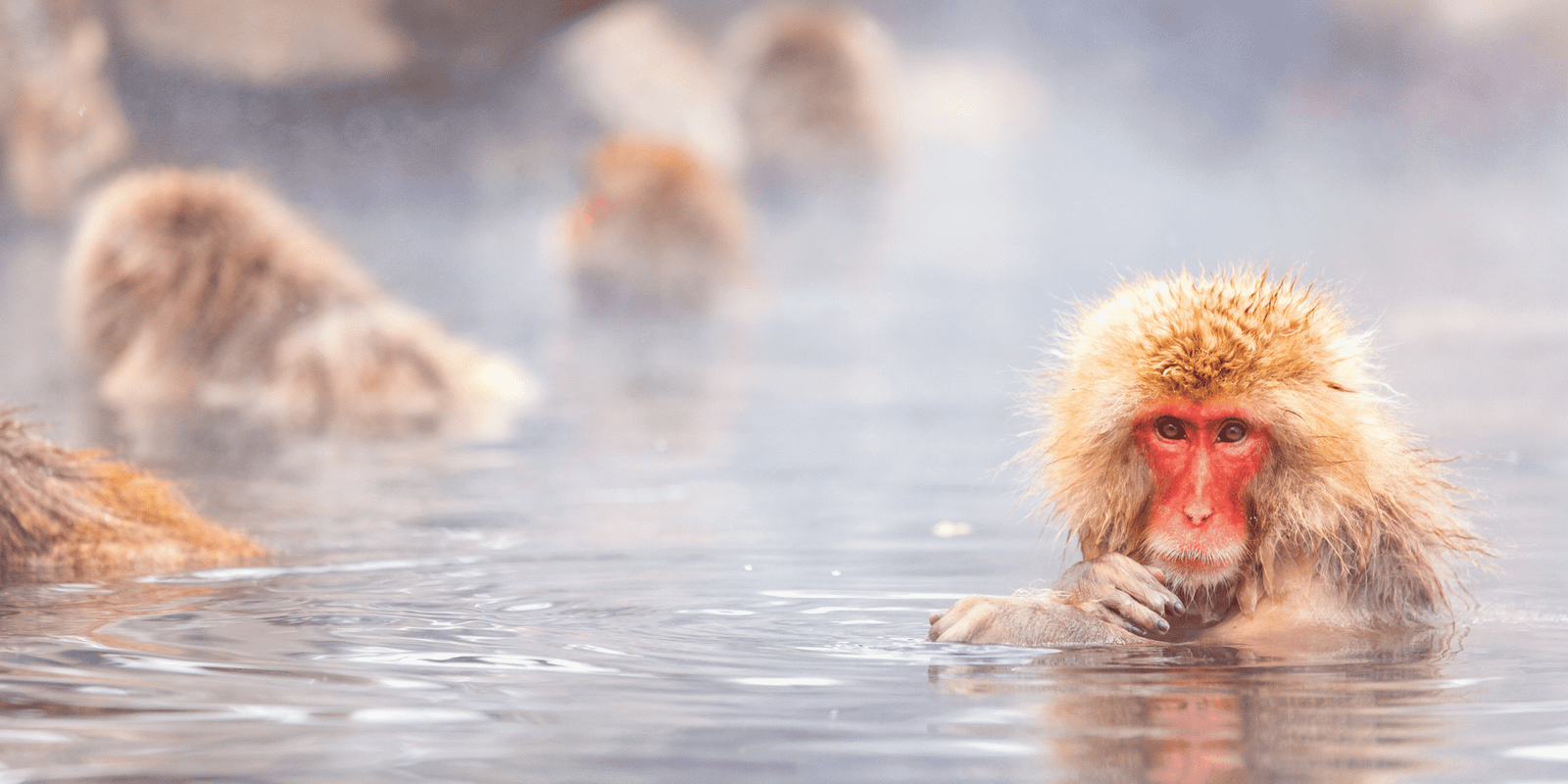
The best places to visit in Japan in winter combine snowy scenery, hot springs, seasonal food, winter festivals, and easy rail access. Snow-covered landscapes, hot springs, seasonal food, winter festivals, and quieter sightseeing can make the colder months feel completely different from the busy spring and autumn seasons.
The challenge is choosing destinations that are both worth visiting in winter and practical to reach without a car. Some of Japan’s most beautiful snowy areas are remote, but several excellent winter destinations are still easy to access by JR trains, Shinkansen, limited express services, and short local connections.
5 Great Winter Destinations You Can Reach by Train
In this guide, I’ll cover five destinations that work particularly well for a winter rail trip, including how to get there, which rail passes may help, what makes each place special in winter, and the local food worth trying.
You do not need to visit all five on one trip. Some fit naturally into a Hokkaido itinerary, others work better from Tokyo or central Japan, and a few are ideal as standalone winter getaways.
1. Sapporo, Hokkaido — Snow Festival and Winter Food
Sapporo is one of Japan’s best winter city destinations. Deep snow, illuminated streets, excellent seafood, warming local dishes, and the famous Sapporo Snow Festival give the city a completely different atmosphere from the rest of the year.
The Sapporo Snow Festival is normally held in early February, with huge snow and ice sculptures appearing around central Sapporo. Even outside the festival period, the city makes an excellent base for winter trips to Otaru and other parts of Hokkaido.
How to Get There by Train
From Tokyo, take the Tohoku-Hokkaido Shinkansen to Shin-Hakodate-Hokuto, then transfer to the Limited Express Hokuto for Sapporo.
The complete rail journey takes roughly 8 hours, so flying to New Chitose Airport is considerably faster if Sapporo is your only Hokkaido destination. Travelling entirely by train makes more sense when you are combining Hokkaido with Tohoku or Hakodate as part of a longer rail itinerary.
Main station: Sapporo Station
Best winter period: January to February for reliable snow
Ideal stay: 2–4 nights
Best for: Snow, winter festivals, seafood, ramen, and Hokkaido rail trips
Rail Pass Coverage
- Japan Rail Pass: Can cover the eligible JR journey from Tokyo via Shin-Hakodate-Hokuto and onward to Sapporo.
- Hokkaido Rail Pass: Useful for extensive travel once you are in Hokkaido, including conventional JR limited express, rapid, and local trains.
Important: The Hokkaido Rail Pass does not cover the Hokkaido Shinkansen. If you travel from Tokyo to Shin-Hakodate-Hokuto using the Shinkansen, that portion requires separate coverage or a different eligible pass.
Top Winter Experiences
- See the enormous snow sculptures at the Sapporo Snow Festival.
- Walk through snow-covered Odori Park.
- Explore the restaurants and nightlife of Susukino.
- Take an easy winter rail day trip to Otaru.
- Enjoy panoramic snowy city views from Mt. Moiwa.
Must-Try Winter Foods
- Sapporo miso ramen — rich, warming ramen perfect for cold evenings.
- Soup curry — a spicy Sapporo specialty filled with vegetables and meat.
- Hokkaido crab — especially popular during the colder months.
- Jingisukan — grilled lamb cooked on a distinctive domed grill.
- Fresh seafood — including scallops, salmon roe, and sea urchin.
Winter train tip: Allow some flexibility in your Hokkaido itinerary. Heavy snow and strong winter weather can occasionally cause delays or cancellations, so avoid scheduling very tight connections before flights or other fixed reservations.
2. Hida Takayama & Shirakawa-go — Old Town Charm and Snowy Villages
Hida Takayama is beautiful throughout the year, but winter gives its preserved Edo-period streets, traditional wooden buildings, and surrounding mountains an especially atmospheric feel.
Nearby Shirakawa-go becomes one of Japan’s most iconic winter landscapes when its steep-roofed gassho-zukuri farmhouses are covered in snow. Together, Takayama and Shirakawa-go make an excellent two-stop winter itinerary in central Japan.
How to Get There by Train
From Nagoya, take the Limited Express Hida directly to Takayama. The journey takes about 2 hours 20 minutes.
Shirakawa-go does not have a railway station. From Takayama, continue by highway bus from the Takayama Nohi Bus Center, next to JR Takayama Station. The journey to Shirakawa-go takes roughly 50–60 minutes.
Main rail station: JR Takayama Station
Takayama → Shirakawa-go: About 50–60 minutes by highway bus
Ideal stay: 1–2 nights in Takayama, with a Shirakawa-go day trip or onward stop
Best for: Snowy traditional scenery, historic streets, winter photography, Hida beef, and mountain culture
Rail Pass Coverage
- Japan Rail Pass: Can cover eligible JR travel to Takayama, including the Limited Express Hida, but it does not cover the highway bus between Takayama and Shirakawa-go.
- Takayama-Hokuriku Area Tourist Pass: Covers eligible JR trains around the designated Nagoya–Takayama–Toyama–Hokuriku route and also includes specified bus routes linking Takayama, Shirakawa-go, Kanazawa, Toyama, and Shin-Takaoka.
Reservation tip: Many Shirakawa-go highway bus services require advance reservations, especially the Takayama–Shirakawa-go–Kanazawa and Toyama routes. Winter dates can sell out, so reserve as early as your itinerary allows.
Top Winter Experiences
- Walk through Takayama’s snow-dusted Sanmachi historic district.
- Browse the Miyagawa Morning Market in the crisp winter air.
- Visit Takayama Jinya and traditional sake breweries.
- See the snow-covered gassho-zukuri farmhouses of Shirakawa-go.
- Photograph Shirakawa-go from the elevated village viewpoint.
Must-Try Winter Foods
- Hida beef — served as steak, yakiniku, sushi, or warming hot-pot dishes.
- Hoba miso — miso and vegetables cooked on a magnolia leaf, often served with rice.
- Takayama ramen — a light soy-based noodle soup that is especially satisfying in winter.
- Gohei mochi — grilled rice cakes coated with a sweet-savory miso or nut-based sauce.
Winter travel tip: Snow can affect road and bus conditions around Shirakawa-go. Build some flexibility into your itinerary and avoid scheduling a tight connection immediately after returning from the village.
3. Kanazawa, Ishikawa — Snowy Gardens and Winter Seafood
Kanazawa is one of Japan’s most rewarding winter cities. Kenrokuen Garden takes on a distinctive seasonal appearance with snow and traditional yukitsuri ropes, while the historic Higashi Chaya and Nagamachi districts feel especially atmospheric in colder weather.
Winter is also one of the best times to visit Kanazawa for food. The Sea of Japan provides excellent seasonal seafood, including snow crab, oysters, yellowtail, and other cold-weather specialties.
How to Get There by Train
From Tokyo, take the Hokuriku Shinkansen directly to Kanazawa. The fastest services take about 2 hours 30 minutes.
From Kyoto or Osaka, travel by Limited Express Thunderbird to Tsuruga, then transfer to the Hokuriku Shinkansen for Kanazawa.
Main station: Kanazawa Station
From Tokyo: About 2 hours 30 minutes by Hokuriku Shinkansen
Ideal stay: 2 nights
Best for: Winter gardens, historic districts, seafood, art, and a quieter city break
Rail Pass Coverage
- Japan Rail Pass: Covers eligible JR travel between Tokyo and Kanazawa on the Hokuriku Shinkansen.
- Hokuriku Arch Pass: A useful option if you are travelling between Tokyo and the Kansai region through Kanazawa and the Hokuriku route.
- Takayama-Hokuriku Area Tourist Pass: Useful for a wider loop involving Nagoya, Takayama, Shirakawa-go, Toyama, Kanazawa, Kyoto, or Osaka. It currently costs ¥19,800 for 5 consecutive days.
Top Winter Experiences
- See the yukitsuri rope supports protecting the pine trees in Kenrokuen Garden.
- Visit Kenrokuen after snowfall for one of Kanazawa’s classic winter scenes.
- Walk through the traditional Higashi Chaya District.
- Explore the Nagamachi Samurai District.
- Browse winter seafood at Omicho Market.
- Visit the 21st Century Museum of Contemporary Art on a cold or snowy afternoon.
Must-Try Winter Foods
- Kano crab — male snow crab caught in Ishikawa Prefecture, available through much of winter.
- Kobako crab — prized female snow crab with a much shorter season, generally ending in late December.
- Kanburi — rich winter yellowtail from the Sea of Japan.
- Noto oysters — another popular cold-season specialty.
- Kanazawa oden — warming local comfort food ideal after winter sightseeing.
Winter food tip: Kanazawa’s official tourism guide lists the Kano crab season through March 20, while the much shorter Kobako crab season runs only until around December 29. If crab is a major reason for your visit, timing matters.
Winter travel tip: Kanazawa streets can become very wet from snow and the city’s groundwater snow-melting system. Waterproof footwear is much more useful than ordinary sneakers during snowy periods.
4. Nagano — Snow Monkeys, Ski Resorts, and Hot Springs
Nagano is one of Japan’s classic winter destinations. The prefecture hosted the 1998 Winter Olympics and remains a major centre for skiing and snowboarding, while hot-spring towns, historic temples, and the famous snow monkeys make it appealing even if you never set foot on a ski slope.
Nagano Station is directly connected with Tokyo by the Hokuriku Shinkansen. The fastest services take around 1 hour 20 minutes, making Nagano surprisingly easy to include in a winter trip from Tokyo.
Main station: Nagano Station
From Tokyo: From about 1 hour 20 minutes by Hokuriku Shinkansen
Ideal stay: 2–3 nights
Best for: Snow monkeys, skiing, onsen, temples, snow scenery, and winter food
Visit the Jigokudani Snow Monkeys
Jigokudani Yaen-Koen is famous for Japanese macaques living in a snowy mountain valley, with some monkeys often seen bathing in the park’s hot spring during the colder months.
From Nagano Station, take the Nagano Dentetsu limited express to Yudanaka Station, a journey of about 38 minutes. Continue by bus for around 15 minutes to the Snow Monkey Park stop, followed by approximately a 35-minute walk through the forest to the park.
Winter walking tip: The final approach to the Snow Monkey Park is an outdoor forest trail with unpaved and uneven sections. In winter it can be snowy or icy, so waterproof footwear with good grip is strongly recommended.
Rail Pass Coverage
- Japan Rail Pass: Covers eligible JR travel from Tokyo to Nagano on the Hokuriku Shinkansen.
- JR EAST PASS: The new pass introduced in 2026 covers JR East trains, including eligible Shinkansen services to Nagano. It costs ¥35,000 for 5 consecutive days or ¥50,000 for 10 consecutive days.
Important: The former JR EAST PASS (Nagano, Niigata area) is no longer sold. Sales ended on March 13, 2026. Also remember that the Nagano Dentetsu railway and local transport used for the Snow Monkey Park are separate from JR.
Top Winter Experiences
- See the Japanese macaques at Jigokudani Snow Monkey Park.
- Visit Zenkoji Temple in Nagano City.
- Ski or snowboard at one of Nagano Prefecture’s many mountain resorts.
- Stay in an onsen town such as Shibu Onsen near the snow monkey area.
- Enjoy the snow-covered mountain scenery around northern Nagano.
Must-Try Winter Foods
- Shinshu soba — Nagano’s famous buckwheat noodles, particularly enjoyable in winter.
- Oyaki — traditional dumplings filled with vegetables, mushrooms, pumpkin, nozawana, or other ingredients.
- Nozawana — pickled leafy greens closely associated with Nagano’s winter food culture.
- Toji soba — small portions of soba dipped into a hot broth, perfect for cold weather.
Train travel tip: Nagano City, the Snow Monkey Park, and the major ski areas are spread across the prefecture. If you want to combine several winter experiences, plan at least two or three nights rather than treating Nagano as a quick day trip from Tokyo.
5. Kyoto — Winter Temples, Quiet Streets, and Comfort Food
Kyoto is usually associated with cherry blossoms and autumn leaves, but winter can be one of the most enjoyable times to explore the city. The air is crisp, many famous sightseeing areas are calmer than during peak seasons, and Kyoto’s temples, gardens, and traditional streets take on a completely different atmosphere.
Snowfall in central Kyoto is not especially frequent, so you should not plan a winter trip expecting deep snow. However, when snow does settle on places such as Kinkaku-ji, Arashiyama, and the surrounding mountains, the scenery can be spectacular.
How to Get There by Train
From Tokyo, take the Tokaido Shinkansen directly to Kyoto Station. Depending on the train you choose, the journey takes roughly 2 hours 10 minutes to 2 hours 40 minutes.
Main station: Kyoto Station
From Tokyo: Roughly 2 hours 10 minutes to 2 hours 40 minutes by Shinkansen
Ideal stay: 2–4 nights
Best for: Temples, gardens, traditional neighbourhoods, winter food, and quieter sightseeing
Rail Pass Coverage
- Japan Rail Pass: Covers eligible Hikari and Kodama services between Tokyo and Kyoto.
- Nozomi trains: Are not included in the standard Japan Rail Pass coverage, but pass holders can use them by purchasing a separate NOZOMI MIZUHO supplemental ticket.
- Kansai Area Pass: Can be useful for JR travel around Kyoto, Osaka, Nara, Kobe, and surrounding areas, but it does not cover the Tokaido Shinkansen from Tokyo.
JR Pass tip: You do not need a nationwide JR Pass just to travel between Tokyo and Kyoto. Always compare the cost of your planned long-distance journeys before buying a pass.
Top Winter Experiences
- Visit Kinkaku-ji, which is especially striking on the rare mornings when snow settles around the Golden Pavilion.
- Explore Kiyomizu-dera and Higashiyama with fewer peak-season crowds.
- Walk through Arashiyama and its bamboo grove in the crisp winter air.
- Visit Fushimi Inari Taisha early in the morning for a quieter walk through the torii gates.
- Look for Kyoto’s seasonal winter special openings, when normally closed areas of selected temples and cultural properties may be accessible.
- Warm up in a traditional ryokan, sento, or daytime-use onsen after sightseeing.
Must-Try Winter Foods
- Yudofu — gently simmered tofu, especially associated with Kyoto’s temple districts.
- Nabe — warming Japanese hot-pot dishes ideal for cold evenings.
- Kyoto-style oden — simmered vegetables, tofu, and other ingredients in hot broth.
- Matcha sweets — including parfaits, cakes, wagashi, and hot matcha drinks.
- Seasonal kaiseki — multi-course cuisine highlighting winter ingredients.
Winter sightseeing tip: Kyoto is cold but usually not heavily snow-covered. Bring warm layers, but do not build your itinerary around seeing snowy temples. Treat snowfall as a bonus rather than an expectation.
Quick Comparison: 5 Winter Destinations in Japan
| Destination | Best Winter Feature | Main Rail Gateway | Best Pass Option | Suggested Stay |
|---|---|---|---|---|
| Sapporo | Snow Festival, deep snow, Hokkaido food | Sapporo Station | Japan Rail Pass / Hokkaido Rail Pass | 2–4 nights |
| Takayama & Shirakawa-go | Snowy old town and gassho-zukuri village | Takayama Station | Takayama-Hokuriku Area Tourist Pass | 1–2 nights |
| Kanazawa | Kenrokuen, yukitsuri, winter seafood | Kanazawa Station | Hokuriku Arch Pass / Takayama-Hokuriku Area Tourist Pass | 2 nights |
| Nagano | Snow monkeys, skiing, onsen | Nagano Station | Japan Rail Pass / JR EAST PASS | 2–3 nights |
| Kyoto | Quieter temples and seasonal winter atmosphere | Kyoto Station | Individual tickets / Japan Rail Pass when worthwhile | 2–4 nights |
Best for reliable snow: Choose Sapporo, Nagano, or the Takayama–Shirakawa-go area. Kanazawa often sees snow as well, while central Kyoto is much less reliable if snow-covered scenery is your main priority.
Winter Train Travel Tips for Japan
Allow Extra Time for Snow Disruptions
Japan’s rail network is extremely reliable, but heavy snow can still cause delays or cancellations in Hokkaido, Tohoku, Hokuriku, Nagano, and other mountain regions. Avoid planning tight same-day connections to flights or other non-refundable transport.
Reserve Limited Express and Shinkansen Seats Early
Winter weekends, the New Year holiday period, ski season, and major events such as the Sapporo Snow Festival can make popular trains much busier. Reserve seats as early as possible when your plans are fixed.
Pack for Wet Snow as Well as Cold
Waterproof shoes with good grip are often more useful than heavy fashion boots. Snow in cities such as Kanazawa and Takayama can become slushy, while icy paths are common around mountain and onsen areas.
Check Whether Your Pass Covers Non-JR Transport
Rail passes do not automatically cover every train or bus in a destination. Examples include the Fujikyu Railway, Nagano Dentetsu, and many highway buses. Always check the exact coverage before relying on a pass.
Keep Your Itinerary Flexible
Winter scenery is highly weather-dependent. A destination may be covered in fresh snow one day and mostly clear the next, so build in enough flexibility to adjust sightseeing plans when conditions change.
FAQ: Winter Train Travel in Japan
What are the best months for winter travel in Japan?
For reliable snow, January and February are usually the best months, especially in Hokkaido, Nagano, and mountain regions. December can also be beautiful, while March often brings more variable conditions depending on elevation and location.
Which destination on this list is best for guaranteed snow?
Sapporo is the strongest choice for reliable urban snow, while Nagano and the Takayama–Shirakawa-go area are also excellent for snowy winter scenery.
Is Kyoto worth visiting in winter?
Yes. Kyoto is usually quieter than during cherry blossom and autumn foliage seasons, and winter is a good time for temples, gardens, seasonal food, and cultural sightseeing. However, snowfall in central Kyoto is not guaranteed.
Do Japanese trains still run during heavy snow?
Usually, yes. Japan’s railways are designed to operate in winter conditions, but severe snowfall, strong winds, or other weather can still cause delays and cancellations. It is wise to leave extra time in your itinerary during winter.
Do I need a JR Pass for a winter trip?
Not necessarily. The best choice depends on your route. A nationwide Japan Rail Pass may make sense for long-distance travel across several regions, while regional passes such as the Hokkaido Rail Pass, JR EAST PASS, Hokuriku Arch Pass, or Takayama-Hokuriku Area Tourist Pass may offer better value for a more focused itinerary.
Should I reserve seats in winter?
Reservations are especially useful during the New Year holiday period, weekends, ski season, and major events such as the Sapporo Snow Festival. For popular limited express trains and sightseeing services, booking ahead is strongly recommended.
What should I wear for winter train travel in Japan?
Dress in layers and bring a warm coat, gloves, and a hat for colder regions. Waterproof shoes with good traction are particularly important in snowy cities and mountain areas, where sidewalks can become wet, slushy, or icy.
Related Guides
JR Regional Passes
Compare regional JR passes for Hokkaido, eastern Japan, Hokuriku, Kansai, Kyushu, and other parts of Japan to see which option best matches your winter route.
Explore Kyushu in 5 Days With the JR All Kyushu Pass
Prefer a warmer winter itinerary? This 5-day Kyushu route combines major cities, scenic rail journeys, and onsen destinations in southern Japan.
Sightseeing Trains in Japan
Discover scenic and special trains around Japan that can make the journey itself part of your winter travel experience.
Before You Buy a JR Pass
Compare the cost of your planned train journeys with the current JR Pass price. Depending on your route, individual tickets or a regional pass may offer better value.
Check Current JR Pass PricesAbout Train Travel Japan
Train Travel Japan is written from firsthand experience traveling throughout Japan by rail. I am a Japanese native based in Canada and have traveled to all 47 prefectures of Japan over more than 30 years.
My goal is to make Japan train travel easier to understand, especially for international visitors planning JR Pass trips, regional rail journeys and independent itineraries.