
JR Regional Passes
JR regional passes are an excellent travel option for those exploring specific areas of Japan. Offered by the Japan Railways (JR) group, these specialized rail passes provide unlimited travel within designated regions for a limited period. Unlike the nationwide JR pass, which covers the entire country, regional passes cater to focused itineraries, allowing travelers to delve deeper into the cultural and scenic offerings of particular locales. Whether you're planning to explore the scenic landscapes of Hokkaido or the historic sites of Kansai, JR regional passes offer a cost-effective and convenient way to make the most of your journey. With these passes, you can easily hop between cities, savor regional cuisine, and experience the unique charm of each area, all while enjoying the comfort and reliability of Japan's rail system.
Popular JR Regional Passes
Ready to jump straight into the full list of regional passes?
Osaka-Tokyo Hokuriku Arch Pass (7 days)
The Osaka-Tokyo Hokuriku Arch Pass is a cost-effective alternative to the Japan Rail Pass, ideal for travelers exploring Tokyo, Kyoto, Osaka, and the scenic Hokuriku region. It offers seamless access to destinations like Nagano's hot springs, Kanazawa's gardens and crafts, and the mountain resort of Karuizawa. This pass enables an immersive experience of Japan's rich culture, history, and natural beauty without overspending.
Kansai-Hiroshima Area Pass (5 days)
The Kansai-Hiroshima Area Pass offers unlimited travel across Kansai and Sanyo, covering Kyoto, Osaka, Kobe, Himeji, Okayama and Hiroshima, including the popular Miyajima Ferry. It simplifies trips, saving time and money while unlocking rich history, cuisine, and scenic beauty. Perfect for hassle-free exploration of this vibrant region.
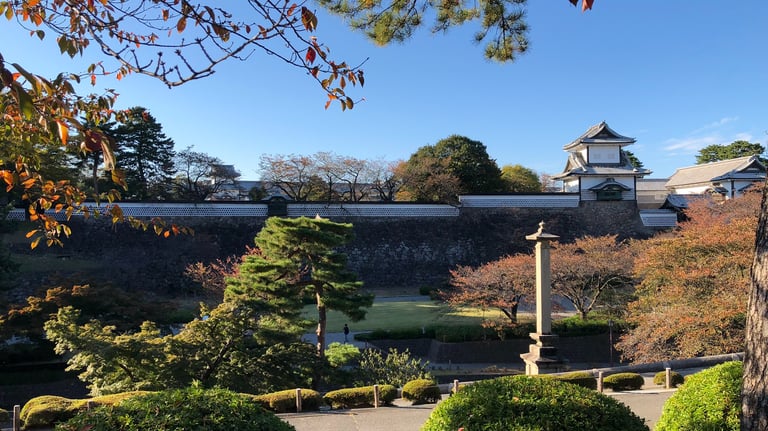


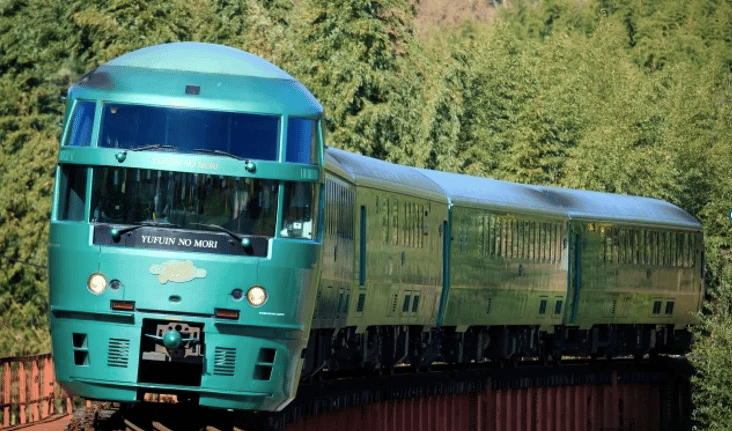
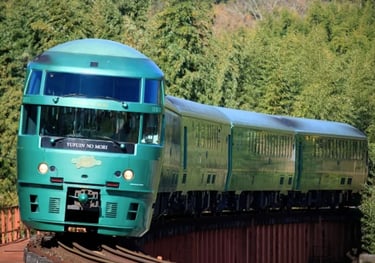
All Kyushu Area Pass (3, 5, or 7 days)
The All Kyushu Area Pass is a cost-effective rail pass for travelers exploring Japan’s southernmost island, Kyushu. Offering unlimited travel on JR trains, including the Kyushu Shinkansen, this pass covers major destinations such as Fukuoka, Nagasaki, Kumamoto, Yufuin, Beppu, Kagoshima, and Miyazaki. Whether you're soaking in Beppu’s famous hot springs, visiting Nagasaki’s historic sites, or admiring Kagoshima’s volcanic landscapes, this pass makes traveling seamless and affordable.
Hokkaido Rail Pass (5 or 7 days)
The Hokkaido Rail Pass is the perfect travel pass for exploring Japan’s northernmost island with unlimited rides on JR trains, including limited express services. Covering major destinations like Sapporo, Hakodate, Furano, Asahikawa, and Kushiro, it’s ideal for those visiting Hokkaido’s breathtaking landscapes, ski resorts, and hot springs. Available for 5 or 7 days, this pass offers a cost-effective way to experience the region’s natural beauty, rich wildlife, and delicious seafood.
Takayama-Hokuriku Area Pass (5 days)
The Takayama-Hokuriku Area Pass is a cost-effective travel pass offering unlimited JR train and bus rides between Nagoya, Takayama, Kanazawa, Shirakawa-go, and Osaka/Kyoto. Perfect for those exploring the Japanese Alps and the Hokuriku region, this pass covers scenic routes to historic towns, including the UNESCO-listed Shirakawa-go with its iconic thatched-roof houses. Ideal for culture and nature lovers to experience traditional villages, hot springs, and stunning landscapes.
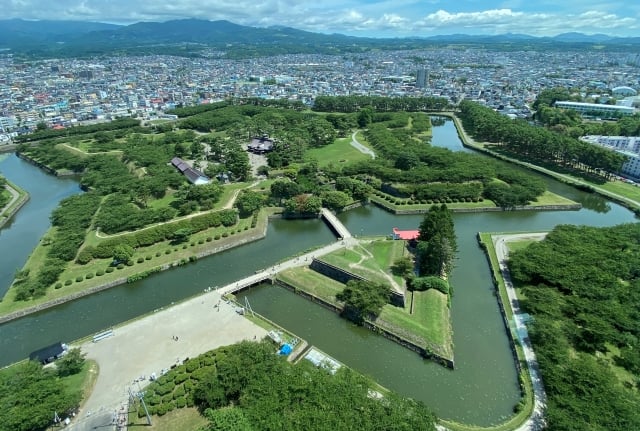


Kansai Area Pass (1, 2, 3, or 4 days)
The Kansai Area Pass offers unlimited travel on JR local trains and buses within the Kansai region, making it a super affordable option for travelers. It also includes the Haruka Express between Kansai Airport and Kyoto, with a non-reserved seat. Ideal for exploring cities like Osaka, Kyoto, Nara, Kobe, and Himeji, this pass provides great value for travelers looking to experience the cultural and historical wonders of the Kansai area without the hassle of purchasing individual tickets. Please note that the Shinkansen is not included in this pass.
JR Pass (Nationwide) vs. JR Regional Pass: Which one should I buy?
1. Is the Nationwide JR Pass still worth it?
The Short Answer: Only if you are covering long distances (like Tokyo to Hiroshima or further) within a short window.
As of 2026, a 7-day Nationwide JR Pass costs approximately ¥50,000. To "break even," you need to travel more than just a standard round trip between Tokyo and Kyoto/Osaka. If your itinerary is just the "Golden Route" (Tokyo → Kyoto → Osaka → Tokyo), buying individual tickets is actually cheaper and allows you to ride the faster Nozomi trains without extra fees.
2. When should I choose a JR Regional Pass instead?
Regional passes are the best choice if you plan to stay within one or two specific areas of Japan. They are significantly cheaper and often offer more "depth" in a specific region.
Best for Kansai (Osaka/Kyoto/Nara): The JR Kansai Wide Area Pass covers 5 days of travel for a fraction of the nationwide price and includes Shinkansen access to Okayama.
Best for Tokyo & Northern Japan: The new unified JR EAST PASS (updated in 2026) covers the entire East Japan area, including the Tohoku region and the Nagano/Niigata area, making it perfect for those exploring the Japanese Alps or the North.
Best for the "New" Golden Route: The Hokuriku Arch Pass connects Tokyo and Osaka via the scenic northern route (Kanazawa). It is roughly 30-40% cheaper than the nationwide pass and perfect if you don't mind a slightly longer travel time to see "Little Kyoto" (Kanazawa).
3. What are the main coverage differences?
Nationwide Pass: Valid on all JR lines across all four main islands (Honshu, Hokkaido, Kyushu, Shikoku).
Regional Passes: Limited to a specific company’s territory (e.g., JR West, JR East, or JR Kyushu). They often include local buses or private railway lines that the nationwide pass does not cover.
4. Can I ride the Nozomi and Mizuho trains?
Nationwide Pass: No, you cannot ride the Nozomi (fastest Tokaido/Sanyo Shinkansen) or Mizuho (fastest Kyushu Shinkansen) unless you pay a high supplementary "top-up" fee.
Regional Passes: Many regional passes (like the Sanyo-San'in Area Pass) actually allow you to ride these faster trains within their specific coverage zone at no extra cost, making them more convenient for travel in Western Japan.
Final Pro-Tip
If you are visiting only Tokyo and Kyoto/Osaka, don't buy the Nationwide Pass. Instead, use an IC Card (Suica/Pasmo) for local travel and buy individual Shinkansen tickets, or look into the Hokuriku Arch Pass if you want to add Kanazawa to your trip!