
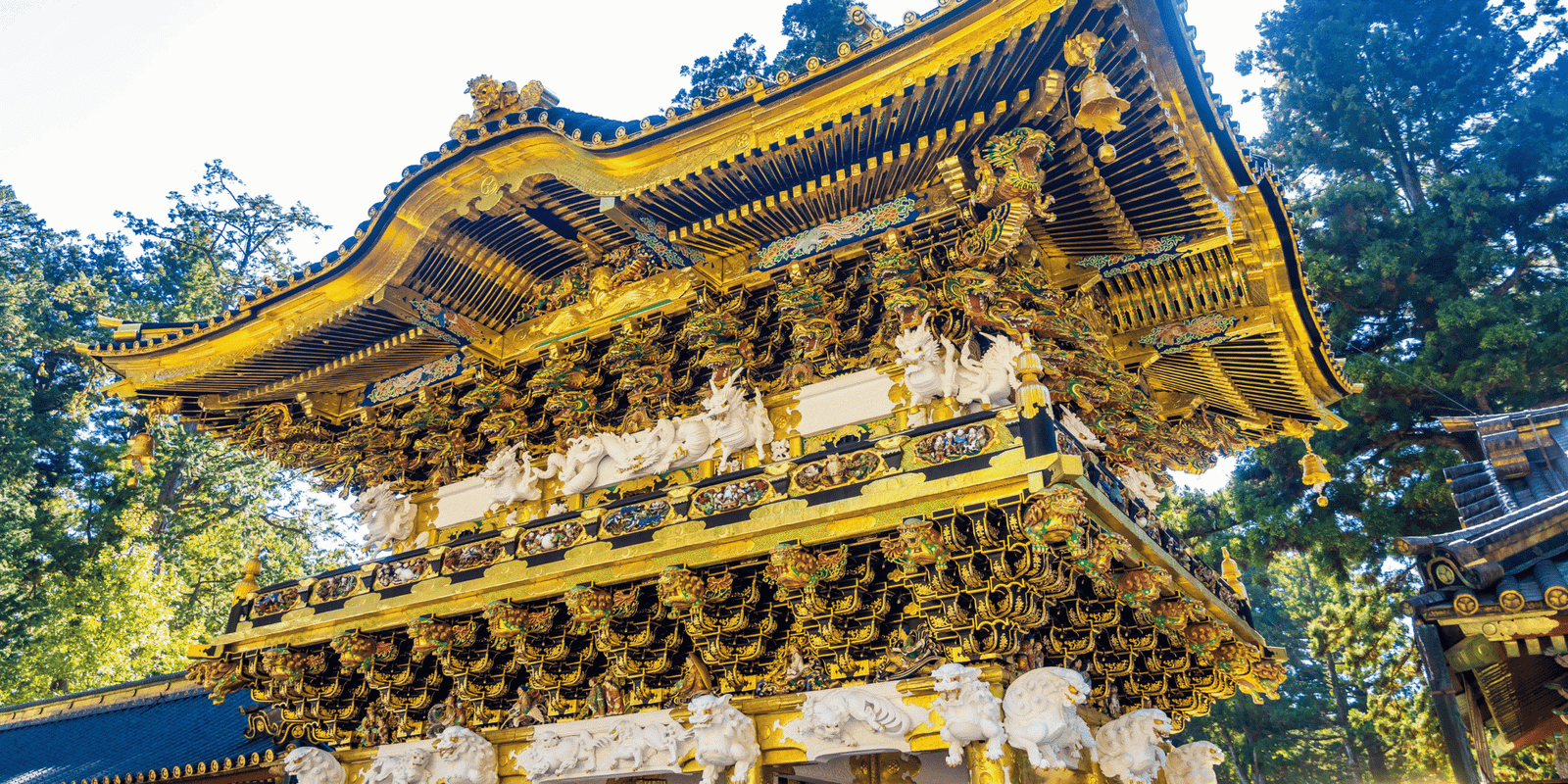
Nikko Toshogu Shrine is one of Japan’s most impressive historic sites and one of the main reasons travelers visit Nikko from Tokyo. Surrounded by tall cedar trees, the shrine is famous for its richly decorated gates, detailed carvings, gold leaf, and strong connection to the Tokugawa shogunate.
The shrine is dedicated to Tokugawa Ieyasu, the founder of the Tokugawa shogunate, and forms part of the UNESCO-listed Shrines and Temples of Nikko.
Because Nikko is easy to reach by train from Tokyo, Toshogu works well as either a long day trip or as part of a slower overnight stay in the Nikko area.
Nikko Toshogu Shrine at a Glance
| Location | Nikko, Tochigi Prefecture |
|---|---|
| Best For | History, ornate architecture, Tokugawa heritage, and traditional shrine scenery |
| Recommended Time | About 2–3 hours for Toshogu and nearby historic sites |
| Nearest Main Stations | JR Nikko Station and Tobu-Nikko Station |
| From Tokyo | JR via Utsunomiya, or Tobu Railway from Asakusa |
Why Visit Nikko Toshogu Shrine?
Toshogu feels very different from many of Japan’s more restrained shrines. Instead of simple wooden buildings, much of the complex is covered with elaborate carvings, painted details, gold decoration, and symbolic artwork.
What Makes Toshogu Special
- Yomeimon Gate: The shrine’s most famous gate, covered with intricate carvings and decorative details.
- Three Wise Monkeys: The well-known “see no evil, hear no evil, speak no evil” carving is found within the shrine complex.
- Sleeping Cat: Another famous carving associated with Toshogu, located along the route toward Ieyasu’s mausoleum.
- Tokugawa history: The shrine is closely connected with Tokugawa Ieyasu and the rise of the Edo-period shogunate.
- Cedar forest setting: The surrounding trees give the shrine area a powerful and atmospheric feel in every season.
Even if you are not especially interested in Japanese history, the craftsmanship and scale of the decoration make Toshogu one of the most visually distinctive religious sites in the country.
How to Get to Nikko by Train
Nikko is easy to reach from Tokyo, which is why Toshogu Shrine is such a popular day-trip destination.
Option 1: JR from Tokyo
Take the Tohoku Shinkansen from Tokyo or Ueno to Utsunomiya, then transfer to the JR Nikko Line for JR Nikko Station.
This route is convenient for travelers using a Japan Rail Pass or another JR pass that covers the journey.
Option 2: Tobu Railway from Asakusa
Tobu Railway operates direct and limited-express services from Asakusa to Tobu-Nikko Station.
For travelers staying in eastern Tokyo, this can be one of the most convenient ways to reach Nikko, although most JR passes do not cover Tobu Railway.
How to Get from Nikko Station to Toshogu Shrine
Toshogu Shrine is located within Nikko’s historic shrine and temple area, a short distance uphill from the main railway stations.
From JR Nikko Station or Tobu-Nikko Station, you can continue by local bus or walk through town toward the shrine area.
Bus
Local buses connect the station area with the main sightseeing stops near Toshogu, making this the easiest option if you want to save time or avoid the uphill walk.
Walking
Walking from the station area to Toshogu takes roughly 30–40 minutes, depending on your pace and where you stop along the way.
The walk is straightforward and can be pleasant if the weather is good, but expect a gradual uphill section as you approach the historic area.
What to See Inside Nikko Toshogu Shrine
Toshogu is a large complex, so it is worth slowing down rather than rushing directly from one famous landmark to the next.
Yomeimon Gate
Yomeimon is the visual centerpiece of Toshogu and one of the most elaborate gates in Japan. Its surfaces are covered with detailed carvings, painted figures, animals, and gold decoration.
Three Wise Monkeys
The famous carving representing “see no evil, hear no evil, speak no evil” appears on one of the buildings within the shrine complex.
Sleeping Cat
The small but famous Sleeping Cat carving is found along the route leading toward Tokugawa Ieyasu’s mausoleum.
Tokugawa Ieyasu’s Mausoleum
A long stone staircase through the forest leads to the mausoleum of Tokugawa Ieyasu. The setting is much quieter and more restrained than the richly decorated main shrine buildings below.
Best Time to Visit Nikko Toshogu Shrine
Toshogu can be visited year-round, but each season gives Nikko a different atmosphere.
Spring
Spring brings milder weather and fresh greenery to the forests surrounding the shrine complex.
Summer
The tall cedar trees provide plenty of greenery and shade, although summer can be warm and humid.
Autumn
Autumn is one of the most popular times to visit Nikko. Colorful foliage around the wider Nikko area adds another reason to combine Toshogu with nearby lakes, waterfalls, and mountain scenery.
Winter
Winter is quieter, and occasional snow can create a beautiful contrast with the shrine buildings and surrounding cedar forest. Dress warmly and watch for icy paths.
Suggested Nikko Day Trip from Tokyo
Nikko is possible as a day trip from Tokyo, especially if you focus on the historic shrine and temple area rather than trying to include every attraction around Lake Chuzenji and Okunikko.
Morning
- Leave Tokyo early by JR or Tobu Railway.
- Arrive at Nikko and continue toward the historic district.
- Visit Toshogu Shrine before the busiest part of the day.
Early Afternoon
- Explore nearby Rinno-ji Temple and Futarasan Shrine.
- Walk through the forested historic area at a relaxed pace.
- Stop for lunch in central Nikko.
Late Afternoon
- Walk back toward the station through Nikko town.
- Return to Tokyo by train.
Related Guides
Top 5 Places to Visit in Japan This Fall by Train
Nikko is one of my recommended autumn destinations, along with Kyoto, Kurobe Gorge, Kakunodate, and Miyajima.
Japan Train Itineraries
Browse practical rail itineraries for combining Tokyo with destinations across Japan.
Tokyo to Sapporo: 9-Day Northern Japan Itinerary
Explore more of northern Japan by rail with a route connecting Tokyo, Tohoku, and Hokkaido.
Before You Buy a JR Pass
Compare the cost of your planned train journeys with the current JR Pass price. Depending on your route, individual tickets or a regional pass may offer better value.
Check Current JR Pass PricesAbout Train Travel Japan
Train Travel Japan is written from firsthand experience traveling throughout Japan by rail. I am a Japanese native based in Canada and have traveled to all 47 prefectures of Japan over more than 30 years.
My goal is to make Japan train travel easier to understand, especially for international visitors planning JR Pass trips, regional rail journeys and independent itineraries.