
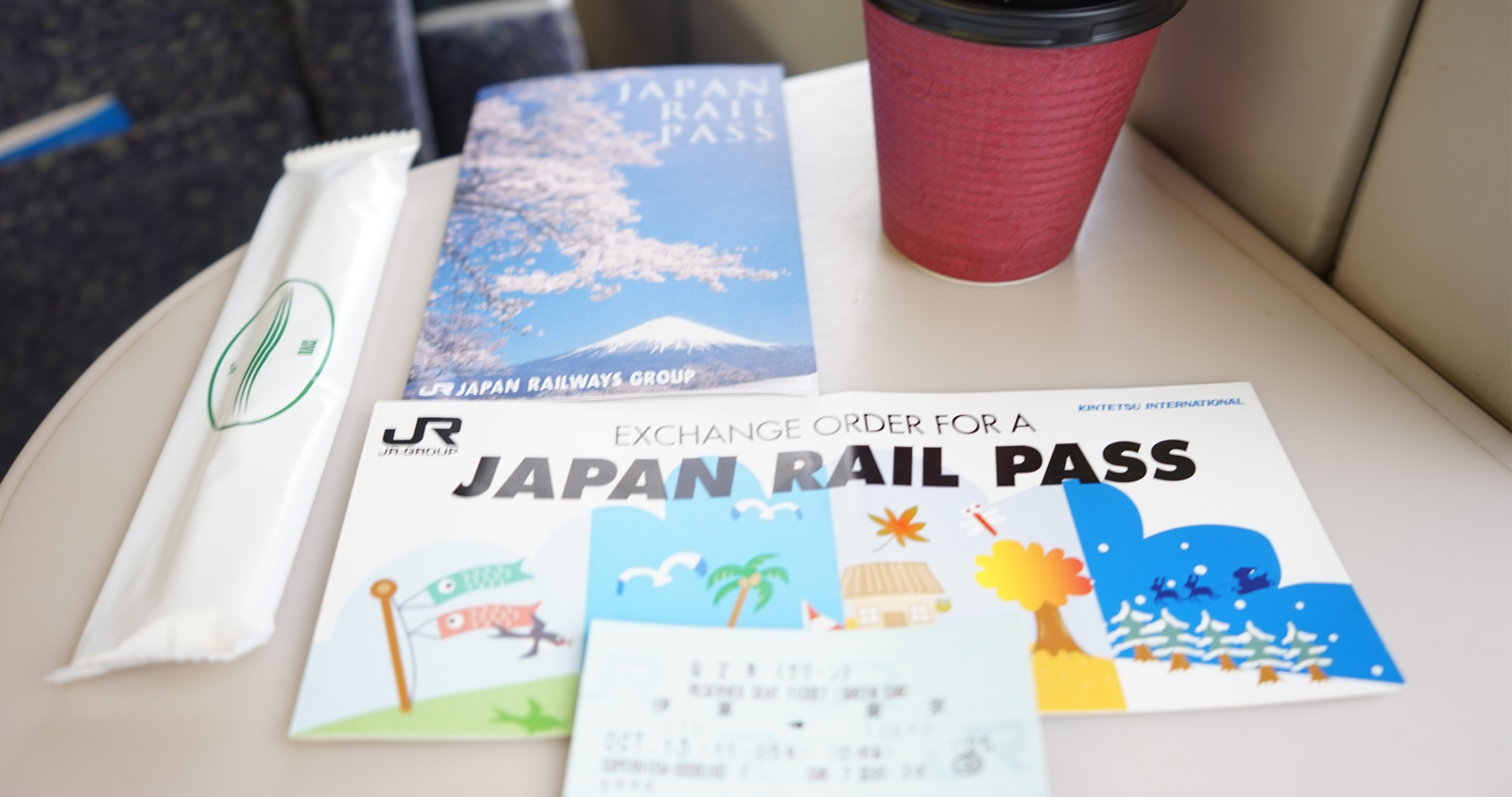
This JR Pass fare calculator guide will help you compare the cost of your planned train journeys with the price of the Japan Rail Pass, so you can see whether the pass is likely to save you money.
The easiest way to decide is to compare the cost of the long-distance JR journeys you actually plan to take with the price of the pass. For many travelers, individual tickets or a JR regional pass can offer better value.
Quick Answer: Is the JR Pass Worth It?
Don’t buy a JR Pass based only on the number of cities you plan to visit. Add up the cost of your major JR journeys first, then compare that total with the price of the 7-day, 14-day or 21-day pass.
As a general rule, the nationwide JR Pass becomes more attractive when your itinerary includes several expensive long-distance Shinkansen journeys within a relatively short period.
A simple Tokyo–Kyoto–Tokyo trip, for example, does not automatically make a nationwide JR Pass worthwhile. Adding destinations farther west, north or south may change the calculation considerably.
You should also check whether a regional JR pass covers the part of Japan you are visiting. Regional passes are often much cheaper than the nationwide pass and can offer excellent value for concentrated itineraries.
Current Japan Rail Pass Prices
The nationwide Japan Rail Pass is available for 7, 14 or 21 consecutive days, with Ordinary and Green Car versions.
As of October 2026, the price depends on where you purchase the pass.
Ordinary JR Pass Prices
| Pass | Official JR Website Adult |
Overseas Agency Adult |
Official JR Website Child |
Overseas Agency Child |
|---|---|---|---|---|
| 7 Days | ¥50,000 | ¥53,000 | ¥25,000 | ¥27,000 |
| 14 Days | ¥80,000 | ¥84,000 | ¥40,000 | ¥42,000 |
| 21 Days | ¥100,000 | ¥105,000 | ¥50,000 | ¥53,000 |
Green Car JR Pass Prices
| Pass | Official JR Website Adult |
Overseas Agency Adult |
Official JR Website Child |
Overseas Agency Child |
|---|---|---|---|---|
| 7 Days | ¥70,000 | ¥74,000 | ¥35,000 | ¥37,000 |
| 14 Days | ¥110,000 | ¥116,000 | ¥55,000 | ¥58,000 |
| 21 Days | ¥140,000 | ¥147,000 | ¥70,000 | ¥74,000 |
Temporary online price difference: From October 1, 2026, Japan Rail Pass prices increased for purchases made through overseas JR-designated sales offices and agencies.
JR Group is temporarily keeping the previous prices for purchases made through the official JAPAN RAIL PASS Reservation website. JR has not yet announced when this temporary price-freeze period will end or what the online prices will be afterward.
Prices checked: October 2026. Prices and sales conditions can change, so always confirm the latest information before purchasing.
Why the Price Matters More Than Ever
A 7-day Ordinary JR Pass currently costs ¥50,000 through JR’s official online reservation service or ¥53,000 through an overseas JR-designated agency.
At either price, you need a substantial amount of JR travel within seven consecutive days before the nationwide pass begins to make financial sense.
That does not mean the JR Pass is poor value. On the right route, it can still provide both savings and convenience. The key is to calculate your itinerary rather than assuming the pass will be cheaper.
How to Calculate Whether the JR Pass Is Worth It
The most reliable way to decide whether to buy a Japan Rail Pass is to compare the price of the pass with the cost of the JR journeys you actually plan to take.
You do not need to calculate every local train ride. Start with the expensive long-distance journeys, especially Shinkansen and limited express trips.
A Simple 4-Step JR Pass Calculation
| Step | What to Do |
|---|---|
| 1 |
List your major JR journeys. Write down the long-distance trips you plan to take, such as Tokyo → Kyoto, Kyoto → Hiroshima or Tokyo → Sendai. |
| 2 |
Find the regular ticket price for each journey. Include the base fare and reserved-seat or limited express charge where applicable. |
| 3 |
Add the fares together. Include both outbound and return journeys, plus any other significant JR trips you expect to make during the pass period. |
| 4 |
Compare the total with the JR Pass price. If your eligible JR journeys cost more than the pass, the JR Pass may save money. If they cost less, individual tickets are usually better value. |
Quick rule: Focus first on Shinkansen and long-distance limited express journeys. Local JR rides around cities are useful bonuses, but they usually do not add enough value on their own to justify buying a nationwide JR Pass.
What Costs Should You Include?
When comparing fares, include the journeys that would otherwise require you to buy regular JR tickets.
Include These
✓ Long-distance Shinkansen journeys
✓ JR limited express trains
✓ Airport trains covered by JR, such as the Narita Express where relevant
✓ Long-distance conventional JR routes
✓ JR local travel that you are genuinely likely to use during the pass period
Do Not Count These as JR Pass Savings
✕ Tokyo Metro and Toei Subway
✕ Osaka Metro
✕ Private railways such as Odakyu, Kintetsu, Nankai, Tobu and Keio
✕ Most local buses
✕ Transportation that is not operated by JR
Use the Correct Pass Period
The JR Pass is valid for consecutive calendar days, not a flexible number of travel days.
This means timing matters almost as much as distance. A traveler taking several expensive journeys within seven days may get good value from a 7-day pass, while the same journeys spread over two weeks may not justify a 14-day pass.
Planning tip: If possible, group your longest and most expensive JR journeys into the shortest pass period. You can use individual tickets or local transportation before and after the pass is active.
Do You Need to Count Every Small JR Trip?
No. For your first calculation, concentrate on the expensive journeys.
If your long-distance fares already exceed the JR Pass price, local JR rides simply add extra value. If your major journeys fall well below the pass price, adding a handful of short city rides is unlikely to change the result.
JR Pass Example Itineraries: When Does It Pay Off?
The easiest way to understand JR Pass value is to look at real itinerary examples.
The examples below use approximate regular-season adult fares for ordinary reserved seats. Actual fares can vary depending on the train, season, seat type and how you purchase your tickets.
As of October 2026, the 7-Day Ordinary Japan Rail Pass costs ¥50,000 through the official JAPAN RAIL PASS Reservation website or ¥53,000 through an overseas JR-designated sales office or agency.
| Example Itinerary | Approx. Individual Fares | 7-Day JR Pass | What the Comparison Suggests |
|---|---|---|---|
| Tokyo → Kyoto → Tokyo | About ¥27,700 |
¥50,000 official online ¥53,000 overseas agency |
Individual tickets are substantially cheaper. |
| Tokyo → Kyoto → Hiroshima → Tokyo | About ¥44,000 |
¥50,000 official online ¥53,000 overseas agency |
Individual tickets are still generally cheaper. |
| Tokyo → Kanazawa → Kyoto → Hiroshima → Tokyo | About ¥53,000 |
¥50,000 official online ¥53,000 overseas agency |
Very close — calculate your additional JR travel carefully. |
| Tokyo → Kanazawa → Kyoto → Hiroshima → Hakata → Tokyo | Roughly ¥65,000+ |
¥50,000 official online ¥53,000 overseas agency |
The JR Pass becomes much more competitive. |
Fare examples are approximate and intended for planning purposes. Always check current fares for your actual travel dates before buying a pass.
Temporary online price difference: JR Group is currently keeping the 7-Day Ordinary JR Pass at ¥50,000 through its official online reservation service, while the price through overseas JR-designated agencies is ¥53,000.
JR has not yet announced when this temporary online price freeze will end or what the official online price will be afterward.
Example 1: Tokyo → Kyoto → Tokyo
A regular reserved-seat journey between Tokyo and Kyoto costs roughly ¥13,850 each way when using a Hikari service in the regular season.
That puts the round-trip cost at approximately:
¥13,850 × 2 = ¥27,700
Compared with a 7-Day JR Pass costing ¥50,000 through JR’s official online service or ¥53,000 through an overseas agency, individual tickets are clearly cheaper for this trip alone.
What this example shows: A simple Tokyo–Kyoto round trip is not enough to justify the cost of a nationwide 7-Day JR Pass. Even after adding several local JR journeys, individual tickets would normally remain considerably cheaper.
If Tokyo to Kyoto is one of your major journeys, see our Tokyo to Kyoto by train guide for current Shinkansen options, typical fares and JR Pass coverage.
Example 2: Tokyo → Kyoto → Hiroshima → Tokyo
Now let’s add Hiroshima:
Tokyo → Kyoto: about ¥13,850
Kyoto → Hiroshima: about ¥11,300
Hiroshima → Tokyo: about ¥18,900
Estimated total: about ¥44,000
This is much closer to the current 7-Day JR Pass price, but the estimated individual fares are still below both the ¥50,000 official-online price and the ¥53,000 overseas-agency price.
What this example shows: The itinerary is close enough that additional JR journeys should be included in your calculation, but the nationwide pass is not automatically the cheaper option.
Example 3: Tokyo → Kanazawa → Kyoto → Hiroshima → Tokyo
Adding the Hokuriku region changes the calculation considerably.
Approximate fares might look like this:
Tokyo → Kanazawa: about ¥14,600
Kanazawa → Kyoto: about ¥8,100
Kyoto → Hiroshima: about ¥11,300
Hiroshima → Tokyo: about ¥18,900
Estimated total: about ¥53,000
At that level, the comparison becomes much closer. The estimated major fares are slightly above the current ¥50,000 official-online JR Pass price and approximately equal to the ¥53,000 overseas-agency price.
What this example shows: This is the type of itinerary where the JR Pass starts to become genuinely worth comparing. Additional eligible JR travel during the seven-day validity period could shift the calculation further in favor of the pass.
Example 4: Add Kyushu and the Calculation Changes Again
Suppose you continue farther west:
Tokyo → Kanazawa → Kyoto → Hiroshima → Hakata → Tokyo
Depending on the trains and seat types used, buying regular tickets for a route like this can easily exceed ¥60,000.
What this example shows: If you can comfortably fit this much long-distance travel into seven consecutive days, the nationwide JR Pass becomes much more competitive against individual fares.
You may also gain the convenience of having most eligible JR travel covered during the validity period.
But Price Is Not the Only Consideration
A JR Pass that saves only ¥1,000 or ¥2,000 is not automatically the best choice.
You should also compare train options, travel time and flexibility. In particular, the nationwide JR Pass does not include regular travel on Nozomi and Mizuho services unless you purchase the separate Japan Rail Pass Exclusive Nozomi/Mizuho ticket.
On some routes, buying individual tickets may let you use faster or more frequent trains without needing an additional supplement.
Our recommendation: If the JR Pass only barely breaks even, compare the convenience of the pass with the flexibility of individual tickets. If your calculated fares comfortably exceed the current pass price, the financial case for the pass becomes stronger.
When the JR Pass Is Usually Not Worth It
The nationwide Japan Rail Pass can be excellent value on a fast-moving long-distance itinerary, but many Japan trips do not involve enough eligible JR travel to justify the cost.
In the situations below, individual tickets, an IC card or a regional rail pass will often be the better choice.
Common Situations Where the JR Pass May Not Pay Off
| Travel Style | Why the JR Pass May Not Be Worth It | Better Alternative |
|---|---|---|
| Tokyo-only trip | Most travel is local and many useful trains and subways are not JR-operated. | IC card + individual fares |
| Tokyo + Kyoto only | A simple round trip between the two cities costs far less than a 7-day nationwide JR Pass. | Individual Shinkansen tickets |
| Slow 2–3 week itinerary | Expensive journeys are spread over too many days to fit efficiently into a 7-day pass. | Individual tickets or regional passes |
| One-way route | You may not have enough return travel to build up sufficient fare value. | Individual tickets |
| Open-jaw flights | Flying into Tokyo and out of Osaka, or vice versa, removes the need for an expensive return rail journey. | One-way Shinkansen tickets |
| Mostly regional travel | A regional JR pass may cover the same journeys for much less than the nationwide pass. | JR regional pass |
1. You Are Staying Mostly in Tokyo
If most of your trip is spent in Tokyo, the nationwide JR Pass is rarely a good purchase.
JR trains such as the Yamanote Line can be useful, but Tokyo also relies heavily on the Tokyo Metro, Toei Subway and private railway companies that are not covered by the nationwide pass.
Better option: Use an IC card such as Suica or PASMO for local transportation and buy long-distance tickets separately if you take a day trip or travel to another city.
2. You Are Only Traveling Between Tokyo and Kyoto
This is one of the most common Japan itineraries, but it is also one of the clearest examples of when the nationwide JR Pass does not make financial sense.
A Tokyo–Kyoto round trip costs substantially less than a 7-day JR Pass, so even adding several local JR rides usually does not close the gap.
Better option: Buy individual Shinkansen tickets. This also gives you more flexibility when choosing train services.
3. Your Long-Distance Travel Is Spread Over Too Many Days
The JR Pass works best when expensive journeys are concentrated inside its consecutive validity period.
For example, a traveler spending three weeks in Japan might take several costly Shinkansen journeys, but if those trips are widely spaced, a 14-day or 21-day pass may still cost more than individual tickets.
Planning strategy: Before buying a longer pass, see whether your major journeys can be grouped into seven consecutive days. Use individual tickets or local transportation for the rest of the trip.
4. You Are Flying Into One City and Out of Another
Open-jaw flights can significantly reduce your need for long-distance rail travel.
For example, if you fly into Tokyo, travel through Kyoto and Osaka, and then fly home from Kansai International Airport, you do not need to return to Tokyo by Shinkansen.
Removing that return journey can make individual tickets much cheaper than a nationwide pass.
Example
Round-trip itinerary:
Tokyo → Kyoto → Tokyo
You pay for two long-distance Shinkansen journeys.
Open-jaw itinerary:
Tokyo → Kyoto → Osaka → fly home from Kansai
You may need only one major Shinkansen journey from Tokyo to Kyoto.
5. A Regional Rail Pass Covers Your Route
This is one of the most important alternatives to check before buying the nationwide JR Pass.
JR companies offer a wide range of regional passes covering areas such as Hokkaido, Tohoku, Kansai, Chugoku, Shikoku, Kyushu and the Hokuriku region.
These passes are often significantly cheaper than the nationwide pass and can provide excellent value when most of your travel is concentrated in one region.
Don’t compare only “JR Pass vs individual tickets.” Always include regional rail passes in your calculation. For many itineraries, the best-value option is a regional pass plus a few individual tickets.
6. You Can Use Discounted Individual Tickets
Standard reserved-seat fares are useful for making a quick JR Pass comparison, but they are not always the lowest price available.
Depending on your route and booking method, advance-purchase discounts, online offers or other special tickets may reduce the cost of individual Shinkansen travel.
If your JR Pass calculation is already close to break-even, discounted individual tickets can easily change the result.
Important: If the JR Pass only appears to save a very small amount, do not buy it immediately. Compare available individual-ticket prices and regional passes first.
Convenience Does Not Always Mean Better Value
Some travelers buy the JR Pass because they like the convenience of having many JR journeys covered.
That convenience can certainly have value, especially on a complex itinerary. However, it is worth deciding how much extra you are willing to pay for it.
A Simple Decision Rule
If individual fares are far below the pass price:
Buy individual tickets.
If the totals are almost equal:
Compare train flexibility, regional passes and convenience before deciding.
If eligible fares comfortably exceed the pass price:
The JR Pass is much more likely to be a good purchase.
If your fare calculation suggests the nationwide pass may work for your trip, see my Japan Rail Pass guide for current prices, coverage, eligibility, and purchase options.
Regional JR Passes: Often the Better Alternative
Before buying the nationwide Japan Rail Pass, check whether a regional JR pass covers most of your itinerary.
Japan’s JR companies offer passes for specific areas of the country, and these can be much better value when your trip is concentrated in one region.
Key point: The best comparison is not simply “JR Pass vs individual tickets.” For many travelers, the real best-value option is a regional rail pass plus a few individual tickets.
Examples of Regional JR Passes
| Pass / Region | Best For | Example Destinations |
|---|---|---|
| Hokkaido Rail Pass | Travel concentrated within Hokkaido | Sapporo, Hakodate, Asahikawa and other JR destinations in Hokkaido |
| JR Kyushu Rail Pass | Travel around Kyushu | Fukuoka, Kumamoto, Nagasaki, Kagoshima and Beppu |
| Kansai-Hiroshima Area Pass | Kansai plus western Honshu | Osaka, Kyoto, Himeji, Okayama, Hiroshima and Miyajima |
| Kansai Area Pass | Shorter trips around the Kansai region | Osaka, Kyoto, Kobe, Nara and surrounding JR destinations |
| Hokuriku Arch Pass | Tokyo–Osaka travel via Hokuriku | Tokyo, Kanazawa, Fukui, Kyoto and Osaka |
| Takayama-Hokuriku Area Tourist Pass | Central Japan itineraries | Nagoya, Takayama, Shirakawa-go, Toyama and Kanazawa |
These are only a few examples. There are many additional JR regional passes covering different parts of Japan, with different validity periods and eligibility rules.
When a Regional Pass Makes More Sense
Your Trip Is Concentrated in One Region
If most of your long-distance travel is within Hokkaido, Kyushu, Kansai or another specific region, a regional pass may cover nearly everything you need at a much lower price than the nationwide JR Pass.
You Need the Nationwide JR Pass for Only Part of Your Trip
Some itineraries include one expensive long-distance journey followed by several days of regional travel.
In this case, buying an individual Shinkansen ticket for the long-distance journey and using a regional pass afterward can sometimes be cheaper than buying a nationwide pass.
Your Trip Lasts Longer Than the Nationwide Pass Period
Regional passes can also work well on longer trips because you can activate them only when you enter the region where they are useful.
This can prevent you from paying for a 14-day or 21-day nationwide pass when your expensive rail travel is spread across a longer vacation.
Example: Tokyo, Kyoto, Hiroshima & Kyushu
Imagine you are traveling:
Tokyo → Kyoto → Hiroshima → Fukuoka → around Kyushu
One option is to calculate whether a nationwide JR Pass covers enough of these journeys to justify its price.
Another option is to buy individual tickets for the Tokyo–western Japan portion and use a JR Kyushu Rail Pass once you reach Kyushu.
Planning strategy: Break your itinerary into regions first. Then compare the nationwide JR Pass with combinations such as individual tickets + one regional pass or even two regional passes.
Regional Passes Can Also Include Useful Extras
Depending on the pass, regional products may cover JR limited express trains, selected Shinkansen routes, local JR trains and other useful transportation within the designated area.
Coverage varies significantly, so always check the exact route map and conditions before purchasing.
Important: Do not assume that every JR train within a region is automatically covered. Some passes exclude certain Shinkansen sections, private railways or other services, so check the current official coverage carefully.
Compare Regional Passes Before You Buy
We have a separate guide comparing the main JR regional passes and the types of itineraries where each one works best.
JR Pass Convenience vs Cost
Price should be the main factor when deciding whether to buy a Japan Rail Pass, but it is not the only one.
For some travelers, the convenience of having many eligible JR journeys covered can still make the pass appealing even when the financial saving is relatively small.
What Convenience Does the JR Pass Offer?
| Benefit | Why It Can Be Useful |
|---|---|
| Many JR journeys covered | You do not need to buy a new regular ticket for every eligible trip during the pass period. |
| Reserved seats | You can reserve seats on eligible trains without paying the normal reserved-seat fare each time. |
| Extra JR trips | Day trips or unplanned eligible journeys can add value once the pass is already active. |
| Flexible itinerary | Changing plans can be easier when additional eligible JR journeys do not require buying a completely new fare. |
| Local JR transportation | JR lines in cities and regional areas can provide additional savings on top of your long-distance journeys. |
Seat Reservations Can Add Convenience
One useful feature of the JR Pass is the ability to reserve seats on eligible trains without paying the normal reserved-seat charge for each journey.
This can be particularly helpful on longer Shinkansen trips, when traveling as a family or group, or during busy travel periods when you want to know exactly where you will be sitting.
Important: Having a JR Pass does not guarantee that a reserved seat will be available. Popular trains can sell out, especially during major Japanese holiday periods, so reserve important journeys as early as possible.
Local JR Travel Adds Extra Value
Once your major long-distance fares are close to the price of the pass, smaller JR journeys can help push the calculation in the JR Pass’s favor.
Examples might include JR travel around Tokyo or Osaka, airport trains, short regional trips or spontaneous day trips.
Don’t overestimate this benefit: Local JR rides are useful extras, but they are usually too inexpensive to rescue an itinerary where your long-distance fares are far below the price of the JR Pass.
What About Nozomi and Mizuho?
The nationwide JR Pass does not by itself cover travel on Nozomi services on the Tokaido and Sanyo Shinkansen or Mizuho services on the Sanyo and Kyushu Shinkansen.
Pass holders who want to use these trains can purchase a separate Japan Rail Pass Exclusive Nozomi/Mizuho ticket for the required section.
If you do not want to pay the additional charge, you can instead use JR Pass-covered services such as Hikari, Sakura, Kodama or Tsubame, depending on the route.
Why this matters: If your JR Pass calculation only shows a small saving, compare the train schedule as well as the price. Individual tickets may give you access to more frequent Nozomi or Mizuho departures without needing an additional JR Pass supplement.
When Paying Slightly More for a JR Pass Can Still Make Sense
A JR Pass may still be attractive when the cost is close to individual tickets if:
✓ You expect to make several spontaneous JR day trips
✓ You value being able to change your itinerary easily
✓ You plan to reserve seats on many long-distance trains
✓ You prefer having one rail pass rather than managing many separate tickets
✓ Your calculated fare total is already very close to the price of the pass
When Individual Tickets Are Still Better
Convenience alone usually does not justify a large price difference.
If your planned individual fares are ¥10,000, ¥15,000 or more below the JR Pass price, buying the pass simply for convenience is difficult to justify for most travelers.
Our rule of thumb: If the JR Pass clearly saves money, it is an easy decision. If the totals are close, consider convenience and flexibility. If the pass costs substantially more, choose individual tickets or a regional pass.
How to Check Japan Train Fares Yourself
Because train fares, discounts and booking options can change, the best way to decide whether a JR Pass is worth it is to check the current price of your own journeys.
You do not need to calculate every local ride. Start with your major Shinkansen and limited express journeys, then add smaller JR trips only if the result is close.
Useful Fare & Route Search Options
| Tool | Best For | What You Can Check |
|---|---|---|
| JR East Route Search | Tokyo, Tohoku and eastern Japan | Train routes, departure times and fares for many JR East journeys |
| JR West Timetable & Route Finder | Kansai, Hokuriku and western Japan | Routes, timetables and fare information for JR West services |
| SmartEX | Tokaido, Sanyo and Kyushu Shinkansen | Current Shinkansen fares, train choices and available advance-purchase discounts |
| Google Maps / route-planning apps | Quick itinerary planning | Useful for identifying likely routes and approximate fares before confirming with an official railway source |
Best practice: Use route-planning apps to build your itinerary, but confirm important long-distance fares with an official JR or Shinkansen booking website before buying a rail pass.
Using SmartEX for Shinkansen Fares
SmartEX is the official online reservation service for the Tokaido, Sanyo and Kyushu Shinkansen.
It covers major routes including Tokyo, Nagoya, Kyoto, Shin-Osaka, Hiroshima, Hakata and destinations farther into Kyushu.
SmartEX is particularly useful because it shows the actual price of available Shinkansen tickets rather than just a rough fare estimate.
It also offers selected Hayatoku early-booking fares, which can be cheaper than standard tickets when booked sufficiently far in advance and when eligible seats are available.
Why this matters for JR Pass calculations: If your nationwide JR Pass only appears to save a small amount compared with standard fares, check SmartEX discounts. A discounted individual ticket can change the calculation.
Make Sure You Compare the Same Type of Seat
When adding up fares, compare like with like.
For example, if you are considering an Ordinary Japan Rail Pass, compare it mainly with Ordinary Car fares rather than Green Car prices.
Reserved and non-reserved seat prices can also differ, so use the type of ticket you are genuinely likely to purchase.
For a Fair Comparison
✓ Compare Ordinary JR Pass with Ordinary Car fares
✓ Include reserved-seat fares if you normally plan to reserve seats
✓ Include both outbound and return journeys
✓ Check whether your chosen train is actually covered by the JR Pass
✓ Compare available discounted tickets when the totals are close
Watch Out for Nozomi and Mizuho in Fare Searches
Route-search tools often show the fastest available journey, which may use a Nozomi or Mizuho service.
These trains are not included with the nationwide JR Pass alone. If you want to use them with a JR Pass, you need the separate JR Pass Exclusive Nozomi/Mizuho ticket.
When estimating the value of a JR Pass without paying the supplement, compare your itinerary with JR Pass-covered alternatives such as Hikari or Sakura where applicable.
Common mistake: Do not simply copy the cheapest or fastest fare from a route-search app into your JR Pass calculation without checking the train type. Make sure you are comparing a service you could actually use under the pass conditions you intend to follow.
Build a Simple Fare List
You can make the calculation in a notes app, spreadsheet or even on paper.
| Journey | Approx. Fare |
|---|---|
| Tokyo → Kyoto | ¥________ |
| Kyoto → Hiroshima | ¥________ |
| Hiroshima → Tokyo | ¥________ |
| Total | ¥________ |
Then compare that total with the price of the 7-day, 14-day or 21-day JR Pass that matches your travel period.
Keep it simple: You do not need a perfectly accurate calculation down to the last ¥100. If your individual fares total ¥30,000 and the pass costs ¥50,000, the answer is already clear. Spend more time comparing only when the totals are relatively close.
JR Pass Fare Calculator FAQ
Is the JR Pass still worth it?
Yes, but only for certain itineraries.
The nationwide JR Pass is most likely to save money when you take several expensive long-distance JR journeys within a relatively short period.
For simpler trips such as Tokyo–Kyoto–Tokyo, individual Shinkansen tickets are usually much cheaper.
How do I know if a JR Pass will save me money?
Add up the cost of the major JR journeys you plan to take and compare that total with the price of the appropriate 7-day, 14-day or 21-day JR Pass.
Start with Shinkansen and limited express journeys. If those fares already exceed the pass price, the JR Pass is likely to offer good value.
Do I need to include every local JR train ride in my calculation?
No. Start with the expensive long-distance journeys.
Local JR rides can add extra value, but they are usually inexpensive compared with Shinkansen fares and rarely change the result when your major journeys are far below the JR Pass price.
Is a JR Pass worth it for Tokyo and Kyoto?
Usually not.
A regular Tokyo–Kyoto round trip costs substantially less than a 7-day nationwide JR Pass, so individual Shinkansen tickets normally offer better value for this itinerary.
Is a JR Pass worth it for Tokyo, Kyoto and Hiroshima?
It can be close, but the nationwide pass is not automatically cheaper.
Calculate the exact journeys you plan to make, including any additional JR day trips. If your eligible fares remain below the pass price, individual tickets are the better-value option.
Should I buy a 7-day or 14-day JR Pass?
Choose the shortest pass period that contains most of your expensive JR journeys.
If your major long-distance travel can be concentrated into seven consecutive days, a 7-day pass may be much better value than paying considerably more for a 14-day pass.
Can I activate the JR Pass only when I start long-distance travel?
Yes. You do not need to make the pass valid from the first day of your trip to Japan.
Many travelers use individual tickets or local transportation for the first part of their trip, then activate the JR Pass when their expensive long-distance journeys begin.
Does the JR Pass cover Nozomi and Mizuho trains?
Not with the JR Pass alone.
Pass holders who want to use Nozomi or Mizuho services must purchase the separate JR Pass Exclusive Nozomi/Mizuho ticket for the relevant section.
Otherwise, use JR Pass-covered services such as Hikari, Sakura, Kodama or Tsubame where available.
Are regional JR passes cheaper than the nationwide JR Pass?
Often, yes.
If most of your travel is concentrated in one part of Japan, a regional pass may cover the journeys you need for much less than the nationwide pass.
Always compare regional passes before deciding which rail product to buy.
What if my individual fares are almost the same as the JR Pass price?
If the difference is small, consider convenience as well as cost.
The JR Pass can make seat reservations and additional eligible JR trips more convenient, but individual tickets may give you greater flexibility to use trains such as Nozomi without purchasing an extra JR Pass supplement.
Should I buy the JR Pass before calculating my itinerary?
No. Build at least a rough itinerary first.
Once you know your main long-distance journeys, compare their ticket costs with the current JR Pass price. This is the simplest way to avoid spending more than necessary.
Bottom line: There is no universal answer to whether the JR Pass is worth it. The right choice depends on your route, travel dates and how much eligible JR travel you will actually use.
Related Guides
Japan Rail Pass Guide
Learn how the nationwide Japan Rail Pass works, what trains it covers, current prices, eligibility rules and when it can still be a good choice for your Japan itinerary.
JR Regional Passes
Compare JR regional rail passes for Hokkaido, Kansai, Kyushu, Hokuriku and other parts of Japan to see whether a regional pass fits your itinerary better than the nationwide JR Pass.
Before You Buy a JR Pass
Compare the cost of your planned train journeys with the current JR Pass price. Depending on your route, individual tickets or a regional pass may offer better value.
Check Current JR Pass PricesAbout Train Travel Japan
Train Travel Japan is written from firsthand experience traveling throughout Japan by rail. I am a Japanese native based in Canada and have traveled to all 47 prefectures of Japan over more than 30 years.
My goal is to make Japan train travel easier to understand, especially for international visitors planning JR Pass trips, regional rail journeys and independent itineraries.