Top 10 Most Popular UNESCO World Heritage Sites in Japan (Cultural) + How to Visit Each by Train
Japan is home to some of the world’s most fascinating UNESCO World Heritage Sites, from ancient temples and historic shrines to sacred mountains and beautifully preserved castles. For travelers who love exploring Japan by train, these sites are not only culturally significant but also easy to reach using Japan’s world-famous rail network. Below are the top 10 most popular UNESCO Cultural World Heritage Sites in Japan, complete with history, highlights, and train-access tips to help you plan the perfect itinerary.
HISTORICAL SITEHIDA TAKAYAMAJR PASS 7 DAYSJR REGIONAL PASSWESTERN JAPANKYOTOCENTRAL JAPANJR PASS 14 DAYSDAY TRIP FROM TOKYO
Josh K
12/12/20254 min read


1. Historic Monuments of Ancient Kyoto
Location: Kyoto City, Kyoto Prefecture
UNESCO Type: Cultural Heritage
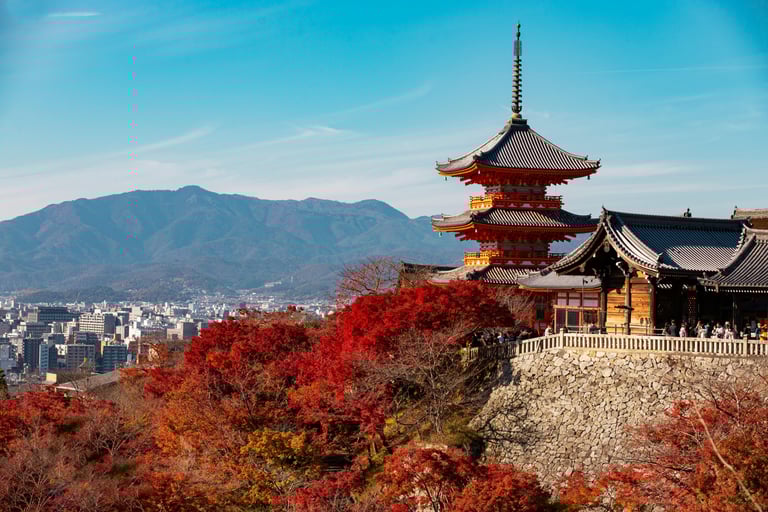
The Historic Monuments of Ancient Kyoto include 17 temples, shrines, and gardens dating from the 10th–17th centuries. Major sites include Kiyomizu-dera, Kinkaku-ji, Ginkaku-ji, and Byōdō-in Temple in nearby Uji.
Why it matters:
Kyoto served as Japan’s imperial capital for over 1,000 years, making it the country’s most important center of traditional culture.
Train Access:
Tokyo → Kyoto: Tokaido Shinkansen (2–2.5 hrs)
Osaka → Kyoto: JR Kyoto Line (30 min)
JR Pass: ✅ Available (Hikari & Kodama only)
Recommended Hotel: Hotel Granvia Kyoto – Directly connected to Kyoto Station
Related reading: Budget-Friendly Kansai: A 4-Day Itinerary Using 3-day JR Kansai Area Pass
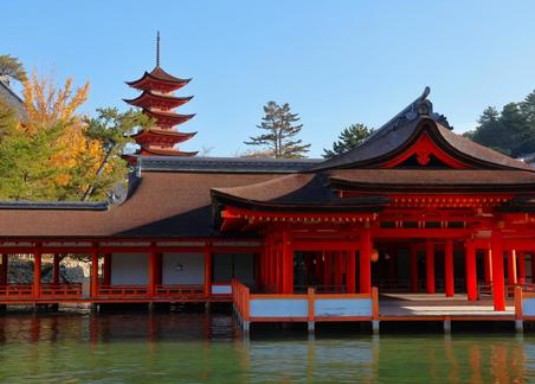
2. Itsukushima Shrine (Miyajima)
Location: Miyajima Island, Hiroshima Prefecture
UNESCO Type: Shinto Shrine
Itsukushima Shrine is famous for its floating torii gate, which appears to rise from the sea during high tide. The shrine complex reflects the Shinto belief of worshipping nature itself.
Train Access:
Hiroshima Station → Miyajimaguchi: JR Sanyo Line (30 min)
Ferry to Miyajima: 10 min
JR Pass: ✅ Available (JR ferry included)
Recommended Hotel: Iwaso Ryokan – A Historic Hideaway in Nature
Search more hotels in Miyajima
Related reading:
https://traintraveljapan.com/visiting-miyajima-from-hiroshima/
3. Himeji Castle
Location: Himeji City, Hyogo Prefecture
UNESCO Type: Feudal Castle
Himeji Castle is the best-preserved original Japanese castle, completed in the early 17th century. Its white exterior earned it the nickname White Heron Castle.
Train Access:
Shin-Osaka → Himeji: Shinkansen (30 min)
Walk from station: 15 min
JR Pass: ✅ Available
Recommended Hotel:
Hotel Nikko Himeji – Steps from JR Himeji Station


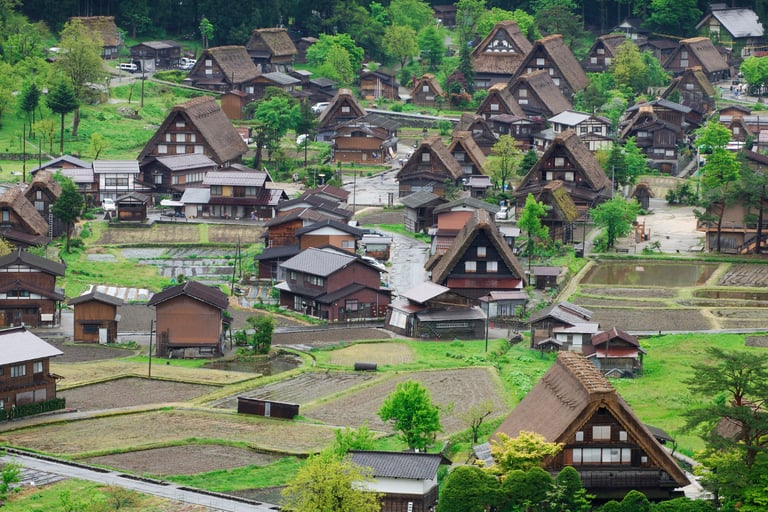
4. Historic Villages of Shirakawa-go and Gokayama
Location: Gifu & Toyama Prefectures
UNESCO Type: Traditional Villages
These mountain villages are known for gassho-zukuri farmhouses, designed to survive heavy snowfall and preserve traditional rural life.
Train Access:
Nagoya → Takayama: JR Hida Limited Express
Kanazawa → Takayama: JR Line
Bus from Takayama or Kanazawa to Shirakawa-go
JR Pass: ⚠️ Partially available (train only)
Recommended Hotel:
Honjin Hiranoya Kachoan (Takayama)
Search more hotels near Shirakawa-go / Takayama
Related reading:
https://traintraveljapan.com/hida-takayama-travel-guide/
5. Buddhist Monuments in the Hiraizumi Area
Location: Hiraizumi, Iwate Prefecture
UNESCO Type: Buddhist Cultural Landscape
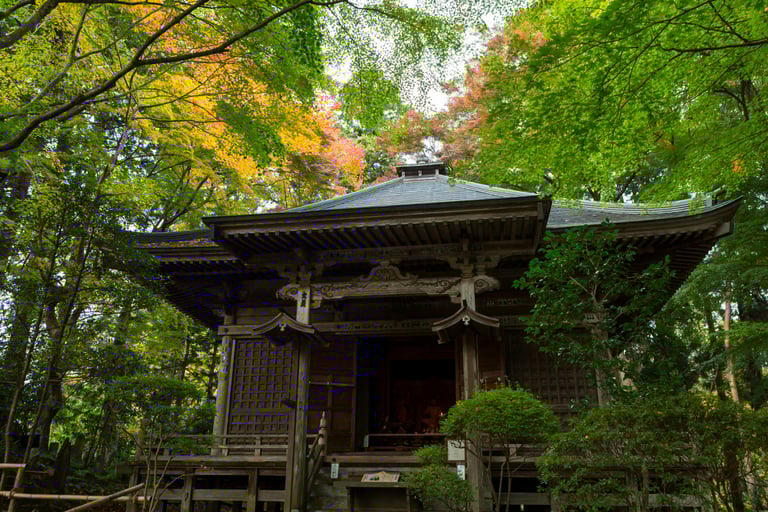
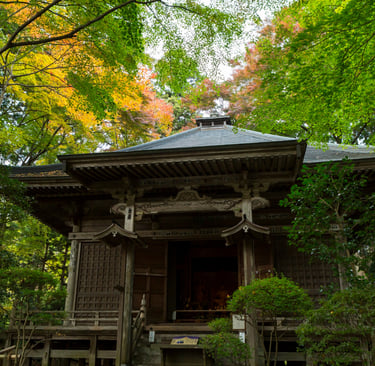
Hiraizumi was a major center of Pure Land Buddhism. Its highlight is Chūson-ji Temple and the gold-covered Konjikidō Hall.
Train Access:
Tokyo → Ichinoseki: Tohoku Shinkansen (2 hrs)
Ichinoseki → Hiraizumi: JR Tohoku Line (10 min)
JR Pass: ✅ Available
Recommended Hotel: Hotel Route-Inn Ichinoseki
Search more hotels in Hiraizumi / Ichinoseki
6. Shrines and Temples of Nikko
Location: Nikko City, Tochigi Prefecture
UNESCO Type: Shrine & Temple Complex
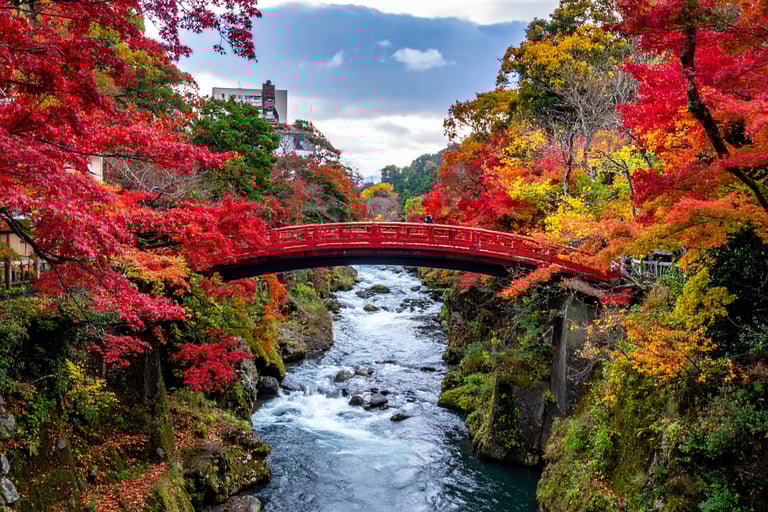
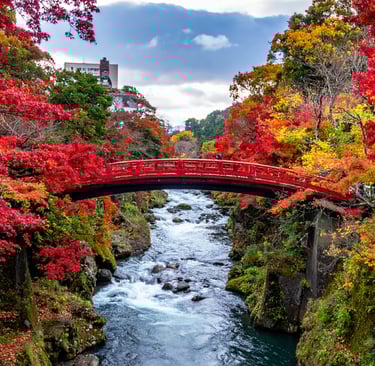
Nikko is home to Toshogu Shrine, the ornate mausoleum of Tokugawa Ieyasu, founder of the Tokugawa Shogunate.
Train Access:
Tokyo → Nikko: JR Tohoku Line + JR Nikko Line
JR Pass: ✅ Available (JR route)
Recommended Hotel:
Nikko Kanaya Hotel – Historic Western-style hotel
Search more hotels in Nikko
7. Monuments of Ancient Nara
Location: Nara City, Nara Prefecture
UNESCO Type: Ancient Capital
Nara was Japan’s first permanent capital. Major landmarks include Tōdai-ji Temple, Kasuga Taisha, and Nara Park.
Train Access:
Kyoto → JR Nara: 45 min
Osaka → JR Nara: 50 min
JR Pass: ✅ Available (JR Line)
Recommended Hotel:
Hotel Nikko Nara – Connected to JR Nara Station


8. Fujisan: Sacred Place and 8. Fujisan: Sacred Place and Source of Artistic Inspiration
Location: Yamanashi & Shizuoka Prefectures
UNESCO Type: Sacred Cultural Landscape
Mount Fuji is Japan’s highest mountain and a sacred symbol deeply embedded in Japanese religion and art.
Train Access:
Shinjuku → Otsuki: JR Chuo Line
Otsuki → Kawaguchiko: Fujikyu Railway
JR Pass: ⚠️ Partially available (JR section only)
Recommended Hotel: Fuji View Hotel (Kawaguchiko)
Search more hotels near Mount Fuji/Lake Kawaguchi


9. Hiroshima Peace Memorial (Atomic Bomb Dome)
Location: Hiroshima City, Hiroshima Prefecture
UNESCO Type: Historical Monument
The Hiroshima Peace Memorial preserves the remains of a building destroyed by the atomic bomb in 1945, serving as a global symbol of peace.
Train Access:
Osaka → Hiroshima: Shinkansen (1.5 hrs)
Tokyo → Hiroshima: Shinkansen (4 hrs)
Hiroshima Station → Peace Park: Tram
JR Pass: ✅ Available
Recommended Hotel: Hotel Granvia Hiroshima – Inside Hiroshima Station
Search more hotels near Hiroshima Station


10. Sacred Sites and Pilgrimage Routes of the Kii Mountain Range
Location: Wakayama, Nara & Mie Prefectures
UNESCO Type: Pilgrimage Routes
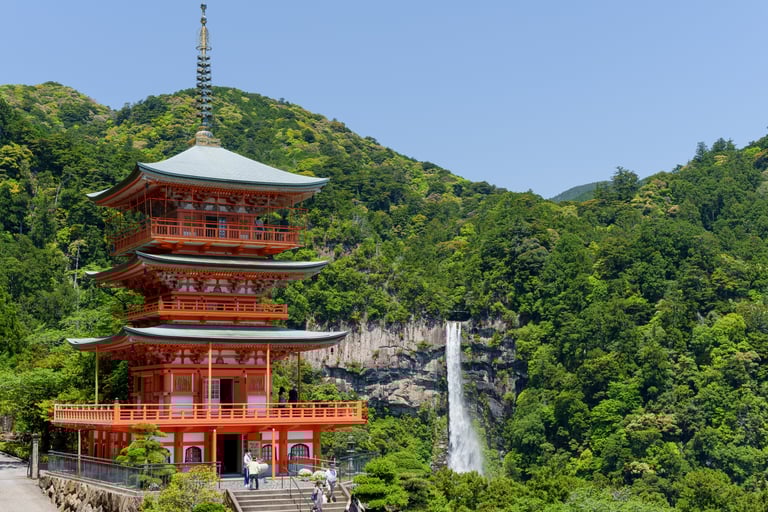
This site includes Koyasan, Kumano Kodo pilgrimage routes, and Yoshino-Omine, representing over 1,000 years of spiritual travel.
Train Access:
Osaka → Koyasan: Nankai Railway + cable car
Osaka → Kii-Katsuura: JR Kuroshio Limited Express
JR Pass: ⚠️ Partially available (JR routes only)