
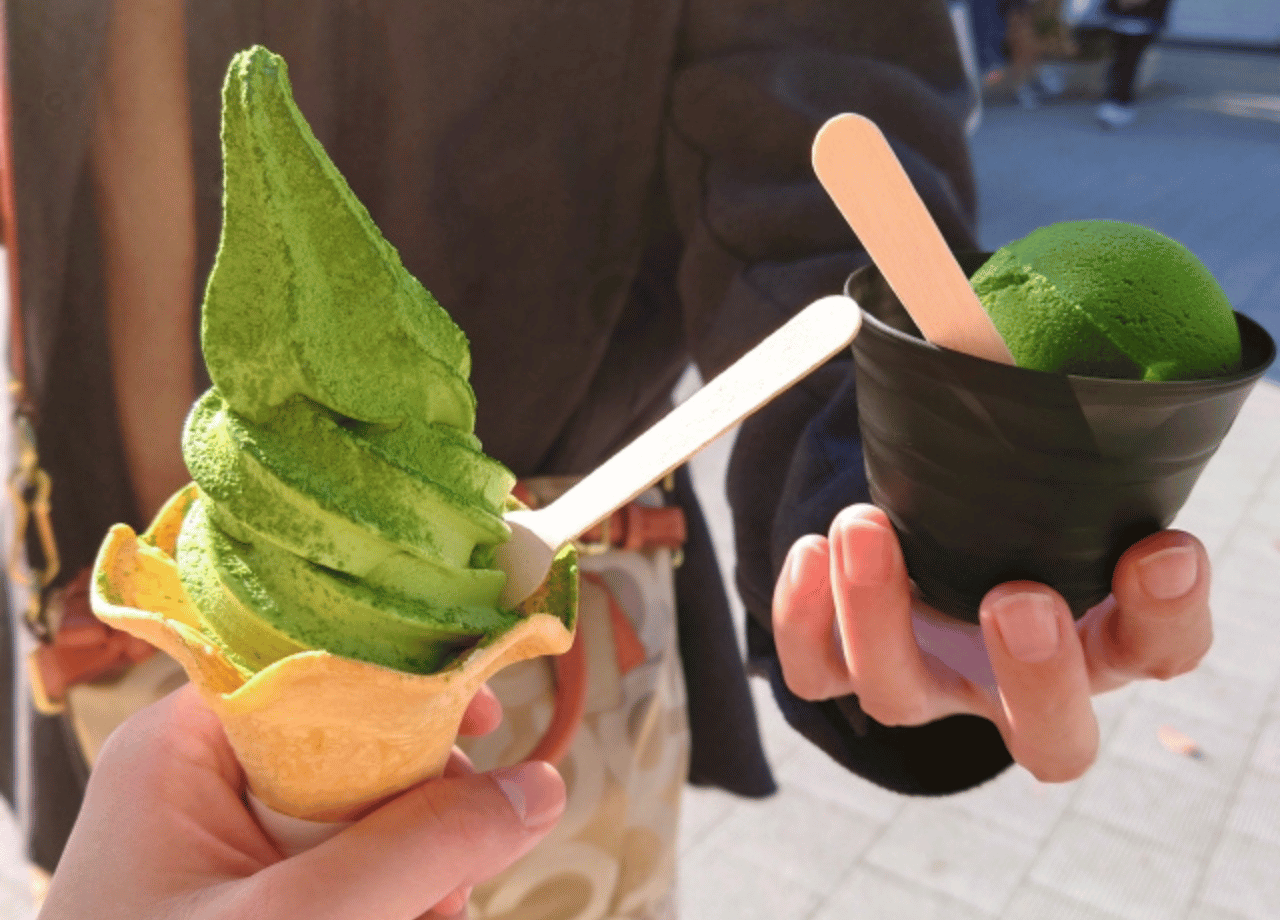
Tokyo is one of the best cities in Japan for casual food exploration. Beyond sushi restaurants and ramen shops, you’ll find market stalls, shopping streets, festival-style snacks, traditional sweets, grilled seafood, croquettes, yakitori, and countless grab-and-go specialties across the city.
The best part for train travellers is that many of Tokyo’s strongest food areas are located right beside major JR, subway, or private railway stations. That makes it easy to combine sightseeing with a few hours of eating your way through a neighbourhood.
10 Great Street Food Areas in Tokyo and Nearby
In this guide, I’ll cover ten food-focused areas that are easy to reach by train, including the nearest station, what each area is known for, must-try foods, and nearby attractions you can combine with your visit.
One important thing to know is that Japan does not have the same everywhere-on-the-street eating culture found in some other countries. In many areas, it is better manners to eat near the shop where you bought your food rather than walking through crowded streets while eating.
Food etiquette tip: Follow the rules of each market or shopping street. Some stalls provide designated eating spaces, while others may ask you not to eat while walking.
1. Ameya-Yokocho (Ameyoko), Ueno — Market Energy and Casual Eats
Ameya-Yokocho, usually shortened to Ameyoko, is one of Tokyo’s liveliest market streets. Running between Ueno and Okachimachi, it mixes seafood shops, international groceries, casual restaurants, snack stalls, cosmetics, clothing, and old-school market atmosphere.
Ameyoko stretches for roughly 500 metres between JR Ueno Station and JR Okachimachi Station, so it is especially convenient for travellers using the Yamanote Line.
Nearest stations: JR Ueno Station / JR Okachimachi Station
Best exit from Ueno: Shinobazu Exit
JR access: Excellent
Best for: Seafood, yakitori, snacks, international food, and a lively market atmosphere
What to Eat
- Yakitori — grilled chicken skewers served at casual stalls and izakaya.
- Seafood bowls — an inexpensive option at several small restaurants around the market.
- Takoyaki — hot octopus-filled batter balls, ideal as a quick snack.
- Fresh seafood and grilled shellfish — reflecting Ameyoko’s long history as a food market.
- International street food — the area also has Chinese, Korean, Middle Eastern, and Southeast Asian options.
Combine It With Ueno Sightseeing
Ameyoko is particularly easy to fit into a sightseeing day because Ueno Park, Ueno Zoo, the Tokyo National Museum, and Shinobazu Pond are all nearby. You can spend the morning visiting museums or the park and then head to Ameyoko for lunch or an early evening meal.
Food tip: Ameyoko is not one single food market with fixed opening hours. Individual shops and restaurants set their own schedules, so the atmosphere and number of open businesses can vary depending on the time of day.
If you want a casual, energetic introduction to Tokyo’s market-style food culture without leaving the JR network, Ameyoko is one of the easiest places to start.
2. Nakamise Street, Asakusa — Traditional Tokyo Snacks Beside Senso-ji
Nakamise Street is one of Tokyo’s most famous traditional shopping streets, running from Kaminarimon Gate toward Senso-ji Temple. It is packed with small shops selling souvenirs, sweets, rice crackers, and classic Japanese snacks.
The area is very easy to reach from Asakusa Station, served by the Tokyo Metro Ginza Line, Toei Asakusa Line, Tobu Skytree Line, and Tsukuba Express.
Nearest station: Asakusa Station
Walking time: About 3–5 minutes to Kaminarimon
JR access: No direct JR station
Best for: Traditional sweets, senbei, temple sightseeing, and old-Tokyo atmosphere
What to Eat
- Ningyo-yaki — small sponge cakes filled with sweet red bean paste and shaped like traditional Asakusa motifs.
- Senbei — grilled or baked rice crackers in soy sauce and other flavours.
- Age-manju — deep-fried sweet buns filled with red bean paste.
- Kaminari-okoshi — crunchy traditional sweets made from puffed rice and syrup.
- Melonpan — a sweet, crisp-topped bread popular around the wider Asakusa area.
Combine It With Asakusa Sightseeing
Nakamise leads directly toward Senso-ji Temple, so it is easy to combine food tasting with one of Tokyo’s most important historic attractions.
You can also continue through the surrounding streets toward Sumida Park, the Tokyo Skytree area, or Kappabashi kitchenware district.
Food etiquette tip: Nakamise becomes extremely crowded, and many shops discourage eating while walking. If a shop provides an eating area, finish your snack there before continuing through the street.
Crowd tip: Asakusa is busiest from late morning through the afternoon. Arriving earlier gives you more space to explore Nakamise and Senso-ji before the largest tour groups arrive.
3. Tsukiji Outer Market — Seafood, Tamagoyaki, and Market Snacks
Tsukiji Outer Market remains one of Tokyo’s best places for food lovers. Although the wholesale fish market relocated to Toyosu in 2018, the outer market continues to operate with seafood shops, sushi restaurants, produce vendors, specialty stores, and casual food counters.
The market is easiest to reach from Tsukijishijo Station on the Toei Oedo Line or Tsukiji Station on the Tokyo Metro Hibiya Line. Both are about a 1-minute walk from the market area.
Nearest stations: Tsukijishijo Station / Tsukiji Station
Walking time: About 1 minute
JR access: No direct JR station
Best for: Seafood, sushi, tamagoyaki, market snacks, and a classic Tokyo food experience
What to Eat
- Sushi and sashimi — Tsukiji remains famous for fresh seafood even after the wholesale market moved.
- Kaisendon — rice bowls topped with sashimi, salmon roe, tuna, sea urchin, and other seafood.
- Tamagoyaki — sweet-savory Japanese rolled omelet, often served hot on a stick.
- Grilled scallops and shellfish — popular at several seafood stalls.
- Tuna specialties — including sashimi, sushi, skewers, and other preparations.
- Japanese sweets and matcha desserts — a good finish after a seafood-heavy visit.
When Should You Visit?
Tsukiji is primarily a morning and lunchtime destination. Many businesses begin early and close by the afternoon, although individual opening days and hours vary considerably.
The market is still used by professional buyers, and the official market association asks tourists to give priority to professional purchasing activity before 9:00 AM. For most visitors, arriving around 9:00–10:00 AM provides a good balance between active shops and easier sightseeing.
Combine It With Nearby Sightseeing
- Tsukiji Hongwanji Temple — directly beside the market area.
- Ginza — within easy walking distance for shopping and cafés.
- Hamarikyu Gardens — a traditional landscape garden near Tokyo Bay.
Important food etiquette: Tsukiji’s official rules specifically ask visitors not to eat while walking. Eat inside the shop, directly in front of the business where permitted, or in a designated eating area before moving on.
Luggage tip: Avoid bringing large suitcases into the narrow market streets. The market recommends storing bulky luggage in coin lockers before exploring.
4. Takeshita Street, Harajuku — Crepes, Sweets, and Kawaii Food
Takeshita Street is the heart of Harajuku’s youth and kawaii culture. The approximately 350-metre pedestrian street is packed with fashion shops, accessory stores, purikura photo booths, and colourful snack shops.
It is also one of the easiest food streets in Tokyo to reach by JR. The entrance to Takeshita Street is directly across from the Takeshita Exit of JR Harajuku Station on the Yamanote Line.
Nearest station: JR Harajuku Station
Best exit: Takeshita Exit
Walking time: Immediately outside the station
JR access: Excellent — JR Yamanote Line
Best for: Crepes, colourful sweets, trendy snacks, youth culture, and shopping
What to Eat
- Harajuku crepes — thin crepes filled with combinations of whipped cream, fruit, ice cream, chocolate, cheesecake, and other toppings.
- Cotton candy — oversized and colourful versions have become closely associated with Harajuku’s kawaii food scene.
- Fresh potato snacks — including hot chips and other potato-based treats.
- Japanese-style sweets and desserts — from matcha flavours to seasonal limited-edition creations.
- Trend-driven snacks — Harajuku changes quickly, so part of the fun is seeing what unusual new food is popular when you visit.
Combine It With Harajuku Sightseeing
- Meiji Jingu — one of Tokyo’s most important Shinto shrines, just beyond Harajuku Station.
- Yoyogi Park — a large green space beside Meiji Jingu.
- Omotesando — a very different shopping atmosphere with architecture, boutiques, and cafés.
- Cat Street — a stylish pedestrian shopping area connecting Harajuku and Shibuya.
Crowd tip: Takeshita Street becomes extremely busy on weekends, holidays, and school vacation periods. Visit earlier in the day if you want more room to browse shops and take photos.
Food tip: Harajuku trends change quickly. Rather than visiting for one specific viral snack, explore the street and see what looks interesting when you arrive — the constantly changing food scene is part of the experience.
5. Omoide Yokocho, Shinjuku — Yakitori and Retro Tokyo Atmosphere
Omoide Yokocho, often translated as “Memory Lane,” is one of Tokyo’s most atmospheric old-school food alleys. Tucked beside Shinjuku Station, its narrow lanes are packed with tiny yakitori counters, izakaya, red lanterns, and smoky grills.
The area traces its roots to the open-air market that developed here after World War II. Today, around 60 bars and restaurants operate within the compact alley district, many specializing in grilled chicken and offal dishes.
Nearest station: Shinjuku Station
Best exit: West Exit
Walking time: About 2 minutes
JR access: Excellent
Best for: Yakitori, izakaya food, drinks, retro atmosphere, and an evening food stop
What to Eat
- Yakitori — grilled chicken skewers cooked over charcoal.
- Motsuyaki — grilled pork or beef offal, one of the area’s traditional specialties.
- Motsunikomi — slow-simmered offal stew found at some counters.
- Grilled vegetables and seafood — useful options if you want something alongside the skewers.
- Beer, sake, and highballs — the classic accompaniment to an evening meal here.
When Should You Visit?
Omoide Yokocho is best experienced from late afternoon into the evening, when the lanterns come on and the tiny restaurants fill with after-work diners and visitors.
Opening hours vary by restaurant, so there is no single schedule for the entire alley. Some businesses open for lunch, while many focus primarily on evening service.
Combine It With Shinjuku Sightseeing
- Tokyo Metropolitan Government Building — free observation decks overlooking the city.
- Kabukicho — Shinjuku’s famous entertainment district.
- Shinjuku Golden Gai — another maze of tiny bars with a very different atmosphere.
- Shinjuku Gyoen — a good daytime stop before heading to Omoide Yokocho in the evening.
First-time visitor tip: Many restaurants here are extremely small, sometimes seating only a handful of customers. Check menus and prices before sitting down, and do not be surprised if the experience feels much more intimate than a normal restaurant.
Payment tip: Some establishments still prefer cash, so carrying a small amount of yen is useful even though card and QR-code payments have become more common in Tokyo.
6. Odaiba — Casual Food, Shopping, and Tokyo Bay Views
Odaiba is very different from Ameyoko or Nakamise. Rather than narrow market streets, it offers a mix of shopping malls, food courts, casual restaurants, dessert shops, entertainment, and waterfront views.
The main food and entertainment areas are concentrated around DECKS Tokyo Beach, Aqua City Odaiba, and DiverCity Tokyo Plaza, all within easy walking distance of one another.
Main stations: Daiba / Odaiba-kaihinkoen / Tokyo Teleport
Best access: Yurikamome or Rinkai Line
JR access: No direct JR station in Odaiba
Best for: Casual Japanese food, desserts, shopping, family attractions, and Tokyo Bay scenery
What to Eat
- Takoyaki — a popular casual snack found around Odaiba’s shopping complexes.
- Ramen — several malls have Japanese noodle shops and food-court options.
- Gyoza — easy to find as a casual meal or shared snack.
- Crepes and soft-serve ice cream — especially popular around the shopping and entertainment areas.
- Japanese food-court dishes — including donburi, udon, curry, and other inexpensive meals.
Where to Eat
DiverCity Tokyo Plaza has a large food court with Japanese and international choices. Aqua City Odaiba and DECKS Tokyo Beach also contain numerous restaurants and casual dining options, many with views toward Tokyo Bay and Rainbow Bridge.
Combine It With Odaiba Sightseeing
- Unicorn Gundam Statue outside DiverCity Tokyo Plaza.
- Odaiba Marine Park for Tokyo Bay and Rainbow Bridge views.
- Statue of Liberty overlooking the waterfront.
- Miraikan — the National Museum of Emerging Science and Innovation.
- Tokyo Aqua Symphony — a large-scale fountain show on the waterfront.
Train tip: From Tokyo Station, one easy route is to take the JR Yamanote Line to Shimbashi and transfer to the Yurikamome. The Yurikamome itself is not covered by the Japan Rail Pass.
Food tip: Odaiba is best treated as a place to combine casual eating with sightseeing rather than a dedicated street-food market. It works particularly well for families or rainy days because so many food and entertainment options are indoors.
7. Togoshi Ginza Shopping Street — Local Tokyo Snacks and Neighbourhood Life
Togoshi Ginza is one of Tokyo’s best shopping streets for travellers who want a more local food experience. Instead of major tourist attractions, you’ll find neighbourhood butcher shops, bakeries, delis, cafés, small restaurants, and takeaway counters serving inexpensive everyday food.
The shopping street begins immediately beside Togoshi-Ginza Station on the Tokyu Ikegami Line and Togoshi Station on the Toei Asakusa Line.
Nearest stations: Togoshi-Ginza Station / Togoshi Station
Walking time: Immediately outside the stations
JR access: No direct JR station — transfer at Gotanda for the Tokyu Ikegami Line
Best for: Croquettes, karaage, dumplings, local snacks, and everyday Tokyo atmosphere
What to Eat
- Korokke — Japanese croquettes are one of the shopping street’s signature casual foods.
- Karaage — freshly fried Japanese chicken from local delis and specialist shops.
- Yakitori and kushikatsu — grilled or fried skewers available at several casual restaurants.
- Gyoza and steamed dumplings — easy snacks while exploring the area.
- Onigiri and deli dishes — good choices if you want something closer to an everyday Japanese lunch.
- Japanese sweets and bakery items — scattered throughout the shopping street.
A Different Side of Tokyo
Togoshi Ginza is especially enjoyable because it still functions primarily as a neighbourhood shopping street for local residents. You may see people picking up dinner from a butcher or deli, families shopping, and regular customers chatting with shop owners.
Parts of the shopping street are closed to vehicle traffic during afternoon periods, creating a relaxed pedestrian atmosphere for browsing and snacking.
Getting There From Central Tokyo
One convenient route is to take the JR Yamanote Line to Gotanda, then transfer to the Tokyu Ikegami Line. Togoshi-Ginza is only two stops from Gotanda.
Food tip: Unlike some heavily regulated tourist markets, Togoshi Ginza’s official tourism information actively highlights casual eating along the shopping street. Still, be considerate around crowded storefronts and dispose of packaging where the shop directs you.
Local experience tip: If Ameyoko and Asakusa feel too busy or tourist-oriented, Togoshi Ginza is a great place to spend a couple of hours seeing how a traditional Tokyo shopping street still fits into everyday neighbourhood life.
8. Miyashita Park, Shibuya — Trendy Food and Rooftop City Vibes
Miyashita Park is a modern shopping, dining, and rooftop leisure complex just a few minutes from Shibuya Station. It is a good stop if you want casual food, desserts, cafés, and a more contemporary Tokyo atmosphere.
The complex combines the RAYARD MIYASHITA PARK shopping area with a public rooftop park, restaurants, cafés, and the retro-inspired Shibuya Yokocho dining alley.
Nearest station: Shibuya Station
Walking time: About 3 minutes
JR access: Excellent — Yamanote, Saikyo, and Shonan-Shinjuku lines
Best for: Trendy casual food, desserts, cafés, rooftop relaxation, and Shibuya sightseeing
What to Eat
- Japanese regional dishes — Shibuya Yokocho brings together casual specialties inspired by different parts of Japan.
- Matcha drinks and desserts — an easy option for a café break.
- Soft-serve ice cream and sweets — especially popular for a quick snack while exploring Shibuya.
- Casual izakaya dishes — ideal if you visit later in the day.
- Coffee and bakery items — useful if you want a lighter stop rather than a full meal.
Shibuya Yokocho
One of the most distinctive food areas in the complex is Shibuya Yokocho, a lively alley-style dining zone inspired by traditional Japanese yokocho. It is a convenient way to sample different Japanese regional dishes without leaving central Shibuya.
Combine It With Shibuya Sightseeing
- Shibuya Scramble Crossing — one of Tokyo’s most recognizable intersections.
- Hachiko Statue — immediately outside Shibuya Station.
- Shibuya Sky — rooftop observation deck with panoramic views across Tokyo.
- Cat Street — continue north toward Harajuku for shopping and cafés.
- Miyashita Park rooftop — relax among the greenery above the busy streets below.
Food tip: Miyashita Park works best as part of a wider Shibuya visit rather than as a dedicated food market. Stop for a snack or casual meal, relax on the rooftop, then continue toward Shibuya Crossing, Harajuku, or Omotesando.
Opening-hours tip: Hours vary by restaurant, shop, and facility, so check the individual business if you are visiting specifically for one food outlet.
9. Yokohama Chinatown — Steamed Buns, Dim Sum, and Chinese Street Food
Yokohama Chinatown is one of the best food destinations within easy reach of Tokyo. Its colourful streets are packed with restaurants, bakeries, dim sum shops, dessert counters, and takeaway stalls serving Chinese dishes from several regional traditions.
For the shortest walk, use Motomachi-Chukagai Station on the Minatomirai Line. If you prefer JR, Ishikawacho Station on the JR Keihin-Tohoku/Negishi Line is roughly a 10-minute walk from the heart of Chinatown.
Nearest station: Motomachi-Chukagai Station
Nearest JR station: Ishikawacho Station
JR walking time: About 10 minutes
Best for: Steamed buns, dim sum, dumplings, Chinese sweets, and a food-focused day trip from Tokyo
What to Eat
- Nikuman and baozi — large steamed buns filled with pork or other savoury ingredients.
- Shumai — steamed dumplings closely associated with Yokohama’s food culture.
- Xiaolongbao — soup-filled steamed dumplings served hot.
- Goma dango — fried sesame-coated sweets with a chewy interior.
- Chinese-style roast meats — including pork and duck.
- Egg tarts and other sweets — useful if you want something sweet after several savoury stops.
More Than One Style of Chinese Cuisine
One of Chinatown’s strengths is its variety. You can find Cantonese, Sichuan, Beijing, Shanghai, Taiwanese, and dim sum-style cuisine within the same compact neighbourhood.
Rather than committing immediately to one large restaurant meal, street-food fans can sample several smaller dishes while exploring the area.
Combine It With Yokohama Sightseeing
- Yamashita Park — waterfront park only a short walk from Chinatown.
- Yokohama Marine Tower — observation tower overlooking the harbour.
- Motomachi Shopping Street — stylish shops and cafés beside Chinatown.
- Yokohama Red Brick Warehouse — easily combined with a wider waterfront walk.
- Minato Mirai — continue toward Yokohama’s modern harbour district.
Train tip: If you are staying near a JR station in Tokyo, travelling to Ishikawacho by JR can be convenient. Motomachi-Chukagai is closer to Chinatown itself but is on the non-JR Minatomirai Line.
Food tip: Chinatown gets particularly busy on weekends and holidays. Visiting before the main lunch rush gives you more time to compare shops and sample smaller dishes without the largest queues.
10. Enoshima Island — Seafood Snacks With Ocean Views
Enoshima is a small island on the Shonan coast near Kamakura and makes an excellent food-focused day trip from Tokyo. The island combines shrines, ocean views, caves, cafés, seafood restaurants, and a lively traditional shopping street.
The main food area begins along Enoshima Benzaiten Nakamise Street, the historic approach running from the entrance of the island toward Enoshima Shrine. Restaurants, snack shops, and souvenir stores line both sides of the street.
Nearest station: Katase-Enoshima Station
Walking time: About 15 minutes to Nakamise Street
Other stations: Enoshima Station / Shonan-Enoshima Station
JR access: No direct JR station — transfer at Fujisawa or Kamakura
Best for: Seafood, coastal scenery, traditional snacks, shrines, and a Tokyo-area day trip
What to Eat
- Tako senbei — a whole octopus pressed into a large, crisp cracker and one of Enoshima’s most recognizable snacks.
- Shirasu — tiny whitebait served raw when available, boiled, or over rice.
- Grilled seafood — including squid, shellfish, and other locally inspired seafood dishes.
- Seafood rice bowls — a popular choice for a more substantial lunch.
- Matcha and soft-serve ice cream — easy treats while walking around the island.
- Traditional Japanese sweets — found at shops along the island’s historic streets.
Explore Enoshima Benzaiten Nakamise Street
The historic Nakamise street runs from near the island entrance toward Enoshima Shrine. It is one of the best places to browse food stalls and shops before climbing farther up the island.
If you continue beyond the main shrine area, you will find more restaurants and cafés around the upper parts of Enoshima, often with excellent views across Sagami Bay.
Combine It With Enoshima Sightseeing
- Enoshima Shrine — a collection of shrine buildings spread across the island.
- Enoshima Sea Candle — observation tower with panoramic coastal views.
- Samuel Cocking Garden — landscaped gardens surrounding the Sea Candle.
- Enoshima Iwaya Caves — sea caves on the far side of the island.
- Katase Beach — enjoy the coastline before or after visiting Enoshima.
Train tip: From central Tokyo, one convenient route is JR to Fujisawa, then transfer to the Odakyu Enoshima Line for Katase-Enoshima. Another enjoyable option is to combine Enoshima with Kamakura and ride the scenic Enoden between the two areas.
Walking tip: Enoshima involves hills and many steps. The paid Enoshima Escar outdoor escalator can make the uphill journey easier, although it operates uphill only.
Quick Comparison: 10 Street Food Areas in Tokyo and Nearby
| Area | Nearest Station | Best For | JR Access |
|---|---|---|---|
| Ameyoko, Ueno | Ueno / Okachimachi | Seafood, yakitori, market atmosphere | Excellent |
| Nakamise, Asakusa | Asakusa | Traditional sweets and temple snacks | No direct JR |
| Tsukiji Outer Market | Tsukijishijo / Tsukiji | Seafood, sushi, tamagoyaki | No direct JR |
| Takeshita Street | JR Harajuku | Crepes, sweets, trendy snacks | Excellent |
| Omoide Yokocho | Shinjuku | Yakitori, izakaya food, evening atmosphere | Excellent |
| Odaiba | Daiba / Tokyo Teleport | Casual dining, desserts, family attractions | No direct JR |
| Togoshi Ginza | Togoshi-Ginza / Togoshi | Croquettes, karaage, local neighbourhood food | Transfer from JR Gotanda |
| Miyashita Park | Shibuya | Modern casual dining and regional dishes | Excellent |
| Yokohama Chinatown | Motomachi-Chukagai / JR Ishikawacho | Dim sum, steamed buns, Chinese sweets | Good via Ishikawacho |
| Enoshima | Katase-Enoshima | Seafood snacks and coastal scenery | Transfer required |
Best choices for first-time visitors: Start with Ameyoko, Asakusa, Tsukiji, and Omoide Yokocho. Add Yokohama Chinatown or Enoshima if you want to turn your food exploration into a day trip outside central Tokyo.
Tips for Exploring Tokyo’s Street Food Areas
Bring Some Cash
Tokyo is increasingly cashless, but some small market stalls, older shops, and tiny restaurants still prefer cash. Carrying a few thousand yen makes casual food stops much easier.
Don’t Eat While Walking Unless It’s Clearly Allowed
Food etiquette varies by location. In places such as Tsukiji, visitors are specifically asked not to eat while walking. When possible, eat beside the shop, use a designated eating area, or follow the instructions displayed by the vendor.
Share Smaller Portions
If you want to try several foods in one neighbourhood, sharing snacks can work better than buying a full portion at every stop. This is especially useful in Asakusa, Chinatown, and Enoshima.
Visit Markets Earlier in the Day
Tsukiji and many traditional shopping streets are best from morning through lunchtime, while Omoide Yokocho and Shibuya Yokocho become livelier later in the afternoon and evening.
Use an IC Card for Mixed Train Networks
Several food areas in this guide are not directly served by JR. A Suica, PASMO, or other compatible IC card makes it much easier to move between JR, subway, Tokyu, Odakyu, and other private railway networks.
Leave Room in Your Schedule
Food-focused neighbourhoods are more enjoyable when you are not rushing. Allow time to browse menus, compare stalls, explore nearby streets, and stop when something looks good rather than planning every snack in advance.
FAQ: Street Food in Tokyo and Nearby Areas
Is street food common in Tokyo?
Yes, but it is usually concentrated in specific shopping streets, markets, festival areas, and food alleys rather than spread evenly across the city. Places such as Ameyoko, Nakamise, Tsukiji, and Togoshi Ginza are especially good for casual food browsing.
Is it okay to eat while walking in Tokyo?
It depends on the location. Some areas allow casual eating, while others discourage it. In busy markets such as Tsukiji, visitors are specifically asked not to eat while walking. Follow local signs and vendor instructions.
Which area is best for traditional Japanese snacks?
Nakamise Street in Asakusa is one of the best choices for traditional sweets and snacks such as ningyo-yaki, senbei, age-manju, and kaminari-okoshi.
Which area is best for seafood?
Tsukiji Outer Market is the strongest choice for sushi, sashimi, seafood bowls, grilled shellfish, tuna dishes, and tamagoyaki. Enoshima is also excellent for seafood in a coastal setting.
Which street-food area is easiest to reach by JR?
Ameyoko, Takeshita Street, Omoide Yokocho, and Miyashita Park are all very convenient from major JR stations.
What is the best food day trip from Tokyo?
Yokohama Chinatown is the easiest dedicated food day trip, while Enoshima is ideal if you want to combine seafood with coastal scenery and sightseeing.
Do I need a JR Pass for these food areas?
No. A nationwide JR Pass is not necessary for Tokyo food exploration. Since several locations require subway or private railway travel, an IC card is usually more convenient for getting around.
Related Guides
5 Best Sakura Spots in Tokyo Near Train Stations
Visiting Tokyo in spring? Combine food exploration with five easy-to-reach cherry blossom spots around the city.
Japan Rail Pass Guide
Planning to combine Tokyo with Kyoto, Osaka, Hiroshima, or other cities? See what the nationwide JR Pass covers and whether it fits your itinerary.
JR Regional Passes
Compare regional JR passes if your wider Japan trip includes day trips and multi-city travel beyond Tokyo.
Before You Buy a JR Pass
Compare the cost of your planned train journeys with the current JR Pass price. Depending on your route, individual tickets or a regional pass may offer better value.
Check Current JR Pass PricesAbout Train Travel Japan
Train Travel Japan is written from firsthand experience traveling throughout Japan by rail. I am a Japanese native based in Canada and have traveled to all 47 prefectures of Japan over more than 30 years.
My goal is to make Japan train travel easier to understand, especially for international visitors planning JR Pass trips, regional rail journeys and independent itineraries.