
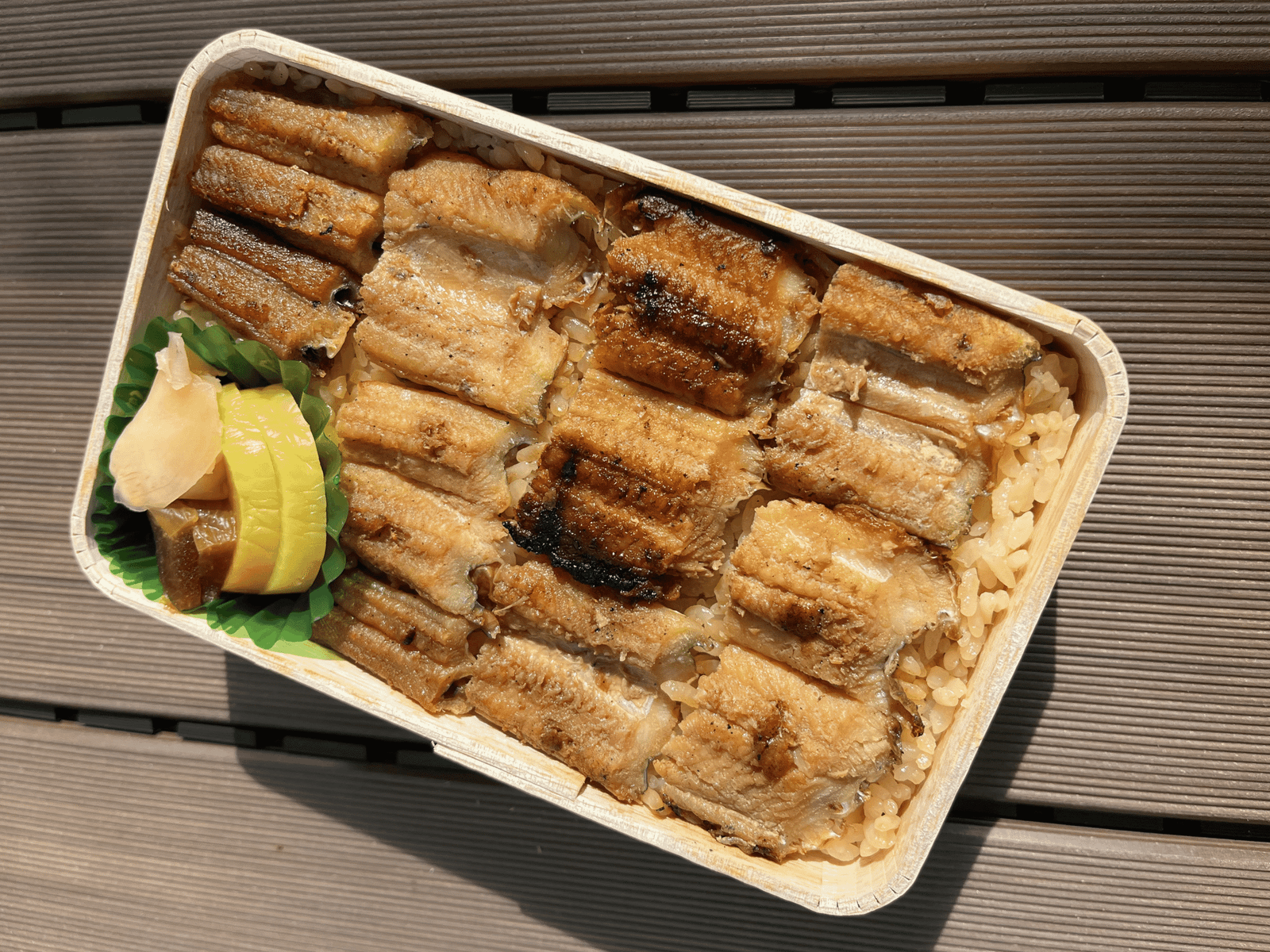
Miyajima may be best known for Itsukushima Shrine and its famous floating torii gate, but food is another big part of the experience. The island has several specialties that are well worth planning into your visit rather than simply grabbing whatever is convenient.
The three foods I would prioritize are anago-meshi, Hiroshima oysters, and momiji manju. You will find all three around the streets between Miyajima Pier and Itsukushima Shrine, making them easy to combine with sightseeing.
This guide covers the foods worth trying, what they are, and whether they are better suited to a proper lunch, a quick snack, or a souvenir to take with you.
What Food Is Miyajima Famous For?
| Food | What It Is | Best For |
|---|---|---|
| Anago-meshi | Grilled conger eel served over rice | Lunch |
| Hiroshima Oysters | Local oysters served grilled, fried, raw, or in other dishes | Lunch or snack |
| Momiji Manju | Maple-leaf-shaped cake with a sweet filling | Snack or souvenir |
| Age Momiji | Deep-fried version of momiji manju | Fresh street snack |
| Fish Cakes & Street Snacks | Skewers, fried snacks, and other easy-to-eat treats | Eating while exploring |
If you only try three things: Have anago-meshi for lunch, try some Hiroshima oysters, and pick up a freshly made momiji manju while walking through Miyajima.
Where to Find Food on Miyajima
Most visitors will find plenty of food choices along Omotesando Shopping Street and the surrounding streets between Miyajima Pier and Itsukushima Shrine.
This area has sit-down restaurants as well as small shops selling freshly prepared sweets and snacks, so you do not need to make a major detour from the main sightseeing route just to eat.
Train Travel Japan Tip: If you want a proper anago-meshi or oyster lunch, consider eating a little before or after the main lunchtime rush. Use the busier midday period for sightseeing or snacks instead.
1. Anago-meshi — Miyajima’s Signature Lunch
If you want one proper local meal on Miyajima, I would make it anago-meshi.
Anago is conger eel, and anago-meshi is typically served as grilled or broiled eel laid over a bowl or box of rice. It is one of the best-known specialties of the Miyajima area.
What Does Anago-meshi Taste Like?
Anago has a delicate texture and a relatively mild flavor. It is usually served with a savory-sweet sauce that adds richness without overpowering the fish.
Different restaurants prepare it differently, so the texture of the eel, amount of char, sauce, and seasoning of the rice can vary noticeably from one place to another.
Anago vs. Unagi: What Is the Difference?
Travelers sometimes confuse anago with unagi, but they are different types of eel.
Unagi is freshwater eel and is usually richer and fattier. Anago is saltwater conger eel and generally has a lighter, more delicate flavor.
If you have already tried unagi elsewhere in Japan, anago-meshi is still worth ordering because it is a distinctly different dish.
Should You Eat Anago-meshi on Miyajima or at Miyajimaguchi?
You can find anago-meshi both on Miyajima Island and around Miyajimaguchi on the mainland side of the ferry.
Eat on Miyajima
This is the easiest option if you want lunch to be part of your sightseeing day. There are several restaurants around the main streets between the ferry pier and Itsukushima Shrine.
It also means you do not need to interrupt your sightseeing schedule or wait until you return to the mainland.
Eat at Miyajimaguchi
Miyajimaguchi is also strongly associated with anago-meshi and can be a good option before boarding the ferry or after returning from the island.
This works particularly well if you want to spend your limited time on Miyajima sightseeing rather than sitting down for a longer lunch.
Train Travel Japan Tip: If anago-meshi is a priority, avoid leaving lunch until the busiest part of midday. Popular places can become crowded, especially on weekends and during peak travel seasons.
A Little History Behind Anago-meshi
Anago has long been associated with the waters around Miyajima. One of the area’s best-known anago-meshi businesses traces the modern boxed-rice version of the dish back to the early 1900s, when it was sold as a railway station meal at Miyajimaguchi.
That railway connection makes anago-meshi especially fitting for a Miyajima day trip by train: it developed as a local meal for travelers passing through the gateway to the island.
2. Hiroshima Oysters — A Miyajima Must-Try
Hiroshima is one of Japan’s best-known oyster-producing regions, so Miyajima is an excellent place to try them.
You will find oysters served in several different ways around the island, from quick street-side snacks to full restaurant meals.
Grilled Oysters
Grilled oysters are one of the easiest options to try while sightseeing. They are often cooked in the shell and served hot, with a simple seasoning that lets the flavor of the oyster stand out.
This is a good choice if you want to sample Hiroshima oysters without stopping for a full sit-down meal.
Kaki Fry — Fried Oysters
Kaki fry are breaded and deep-fried oysters. The outside is crisp while the oyster inside stays soft and juicy.
They are widely available at restaurants and are a good option for travelers who prefer cooked oysters or are trying oysters for the first time.
Raw and Other Oyster Dishes
Depending on the restaurant and season, you may also see raw oysters, steamed oysters, oyster rice, oyster hot pots, and other seasonal preparations.
Availability varies, so I would not build your entire visit around finding one specific oyster dish.
When Is Oyster Season in Hiroshima?
Hiroshima oysters are available in different forms throughout the year, but the colder months are traditionally associated with peak fresh oyster season.
If you visit in autumn or winter, you are especially likely to see oysters featured prominently on restaurant menus and at food stalls.
Train Travel Japan Tip: If you are already planning anago-meshi for lunch, try grilled oysters separately as a snack. That way you can experience both of Miyajima’s best-known savory foods without choosing one over the other.
Are Miyajima Oysters Expensive?
Prices vary by restaurant, preparation, and oyster size. Simple grilled oysters sold individually or in small portions are usually the easiest way to sample them without committing to an expensive meal.
Restaurant dishes such as oyster sets, fried oysters, or multi-course meals naturally cost more, but they can be worthwhile if oysters are one of the main reasons you are visiting Hiroshima.
3. Momiji Manju — Miyajima’s Classic Sweet
Momiji manju is the sweet most closely associated with Miyajima. These small maple-leaf-shaped cakes are sold throughout the island and make an easy snack or souvenir.
The traditional filling is sweet red bean paste, but today you will also find versions filled with custard, chocolate, matcha, cream, and other seasonal flavors.
Freshly Made vs. Boxed Momiji Manju
If you have the chance, try at least one freshly made momiji manju while you are on Miyajima.
The texture is usually softer and more enjoyable when fresh, while boxed versions are convenient for taking home as souvenirs.
Momiji Manju as a Souvenir
Momiji manju is one of the easiest Miyajima souvenirs to buy because shops sell them in a wide range of flavors and box sizes.
If you are unsure which filling to choose, assorted boxes are a good way to sample several varieties.
4. Age Momiji — The Fried Version
One of the most popular variations is Age Momiji, a momiji manju coated in batter and deep-fried before being served hot on a stick.
The outside becomes crisp while the cake and filling stay soft and warm, making it very different from the standard packaged version.
Try it fresh: Age Momiji is best eaten soon after it is fried. It is designed as a hot walking snack rather than something to take home for later.
Where Did Age Momiji Come From?
Age Momiji was created by the long-established Miyajima confectioner Momijido. The idea was to turn momiji manju into a freshly fried snack that could be enjoyed while walking around the island.
It has since become one of Miyajima’s best-known modern street foods alongside the traditional momiji manju.
Which Should You Try?
Ideally, try both.
- Choose regular momiji manju if you want a classic Miyajima sweet or something to take home.
- Choose Age Momiji if you want a warm, freshly prepared snack while sightseeing.
Train Travel Japan Tip: Have one freshly made sweet while you are exploring, then buy boxed momiji manju later if you want souvenirs. That way you get both the fresh experience and something easy to carry home.
5. Other Miyajima Street Foods and Snacks
Beyond anago-meshi, oysters, and momiji manju, Miyajima has plenty of smaller snacks that are easy to try while walking between the ferry pier and Itsukushima Shrine.
Most of these are best treated as extras rather than must-eat foods. Choose whatever looks good on the day and leave room for the island’s main specialties.
Anago Chikuwa
Anago chikuwa is a fish cake flavored with conger eel. It is usually sold as an easy handheld snack and is a good option if you want to try another local anago product without ordering a full meal.
Fish Cakes and Savory Skewers
You will also come across different fish cakes, skewered snacks, and other savory takeaway foods around the main shopping streets.
These work well when you want something quick between sightseeing stops rather than a sit-down lunch.
Soft Serve and Seasonal Sweets
Soft-serve ice cream and other seasonal sweets are also easy to find, especially around Omotesando.
Flavors and limited-edition items change, so rather than searching for one specific product, I recommend simply checking what is available during your visit.
Hiroshima Lemon Products
Hiroshima is also known for citrus, especially lemons, and you may see lemon-flavored drinks, sweets, tea, and souvenir products around Miyajima.
These are a nice change if you want something lighter after trying richer foods such as fried oysters or Age Momiji.
Street Food Etiquette on Miyajima
Miyajima is a busy sightseeing area, so it is better to eat food near the shop where you bought it or in a designated eating area rather than walking through crowds while eating.
Also keep food and wrappers secure around the island’s deer. They are wild animals and may approach visitors carrying food or paper.
Train Travel Japan Tip: Don’t try to sample everything at once. Have one proper local meal, then choose one or two snacks as you walk through Omotesando. That usually makes for a much more enjoyable food experience.
What to Eat on Miyajima in One Day
You do not need to spend the entire day eating to experience Miyajima’s best-known foods. A simple combination of one proper meal and a few smaller snacks works very well.
Morning — Momiji Manju
After arriving on Miyajima, start with a freshly made momiji manju as you walk toward Itsukushima Shrine.
It is light enough that it should not spoil your lunch, and trying one fresh on the island is more memorable than only buying a boxed version later as a souvenir.
Late Morning — Grilled Hiroshima Oysters
If you like seafood, stop for a small serving of grilled oysters while exploring the main streets.
Treat them as a snack rather than a full meal so you still have room for anago-meshi at lunch.
Lunch — Anago-meshi
Make anago-meshi your main meal of the day. This is the dish I would prioritize if you only have time for one proper Miyajima specialty.
Eating slightly before or after the busiest lunch period may help reduce waiting time at popular restaurants.
Afternoon — Age Momiji
Later in the afternoon, try a freshly fried Age Momiji.
Because it is served hot and crispy, it works particularly well as an afternoon snack before you return to the ferry terminal.
Before Leaving — Pick Up Souvenirs
Before boarding the ferry back to Miyajimaguchi, this is a good time to buy boxed momiji manju, Hiroshima lemon products, or other local food souvenirs.
Buying them near the end of your visit means you do not need to carry shopping bags around the island all day.
If You Only Have a Few Hours
For a shorter Miyajima visit, simplify the food plan:
- Anago-meshi for your main meal
- Grilled oysters if you enjoy seafood
- Momiji manju or Age Momiji for dessert
That gives you a good introduction to Miyajima’s savory and sweet specialties without taking too much time away from sightseeing.
Train Travel Japan Tip: Sightseeing should still be the priority. Miyajima’s food is easy to fit naturally into the route between the ferry terminal, Omotesando, Itsukushima Shrine, and the surrounding streets.
Miyajima Food FAQ
What food is Miyajima most famous for?
Miyajima is especially famous for anago-meshi, Hiroshima oysters, and momiji manju. If you only try a few local foods, these are the three I would prioritize.
What is anago-meshi?
Anago-meshi is grilled or broiled conger eel served over rice. It is lighter and more delicate than unagi and is one of the signature dishes of the Miyajima area.
Are Hiroshima oysters available on Miyajima?
Yes. Oysters are widely available around Miyajima and may be served grilled, fried, steamed, raw when available, or as part of larger meals.
What is momiji manju?
Momiji manju is a maple-leaf-shaped cake traditionally filled with sweet red bean paste. Many shops also sell versions with custard, chocolate, matcha, cream, and other fillings.
What is Age Momiji?
Age Momiji is a deep-fried version of momiji manju. It is served hot and crispy and is best eaten soon after it is prepared.
Where is the best area to eat on Miyajima?
Most visitors will find plenty of restaurants and snack shops around Omotesando Shopping Street and the streets between Miyajima Pier and Itsukushima Shrine.
Should I eat anago-meshi on Miyajima or at Miyajimaguchi?
Both are good options. Eating on Miyajima is more convenient during sightseeing, while Miyajimaguchi can work well before boarding the ferry or after returning to the mainland.
Can I eat street food while walking around Miyajima?
It is better to eat near the shop where you bought the food or in a designated eating area rather than walking through busy streets while eating. Also keep food and wrappers secure around the island’s deer.
What should I eat if I only have a few hours on Miyajima?
Keep it simple: have anago-meshi for your main meal, try grilled oysters if you enjoy seafood, and finish with momiji manju or Age Momiji.
Related Guides
Miyajima from Hiroshima: Complete Train & Ferry Guide
Planning your visit to Miyajima? See the easiest train and ferry route from Hiroshima, JR Pass coverage, fares, sightseeing highlights, tide tips, and a sample day-trip itinerary.
7-Day Western Japan Itinerary Using the JR Kansai-Hiroshima Area Pass
See how to include Hiroshima and Miyajima in a longer western Japan rail itinerary while making the most of the JR Kansai-Hiroshima Area Pass.
JR Regional Passes Guide
Compare JR regional rail passes for travel around Japan, including options that cover Hiroshima, Miyajima, and other destinations throughout western Japan.
Before You Buy a JR Pass
Compare the cost of your planned train journeys with the current JR Pass price. Depending on your route, individual tickets or a regional pass may offer better value.
Check Current JR Pass PricesAbout Train Travel Japan
Train Travel Japan is written from firsthand experience traveling throughout Japan by rail. I am a Japanese native based in Canada and have traveled to all 47 prefectures of Japan over more than 30 years.
My goal is to make Japan train travel easier to understand, especially for international visitors planning JR Pass trips, regional rail journeys and independent itineraries.