
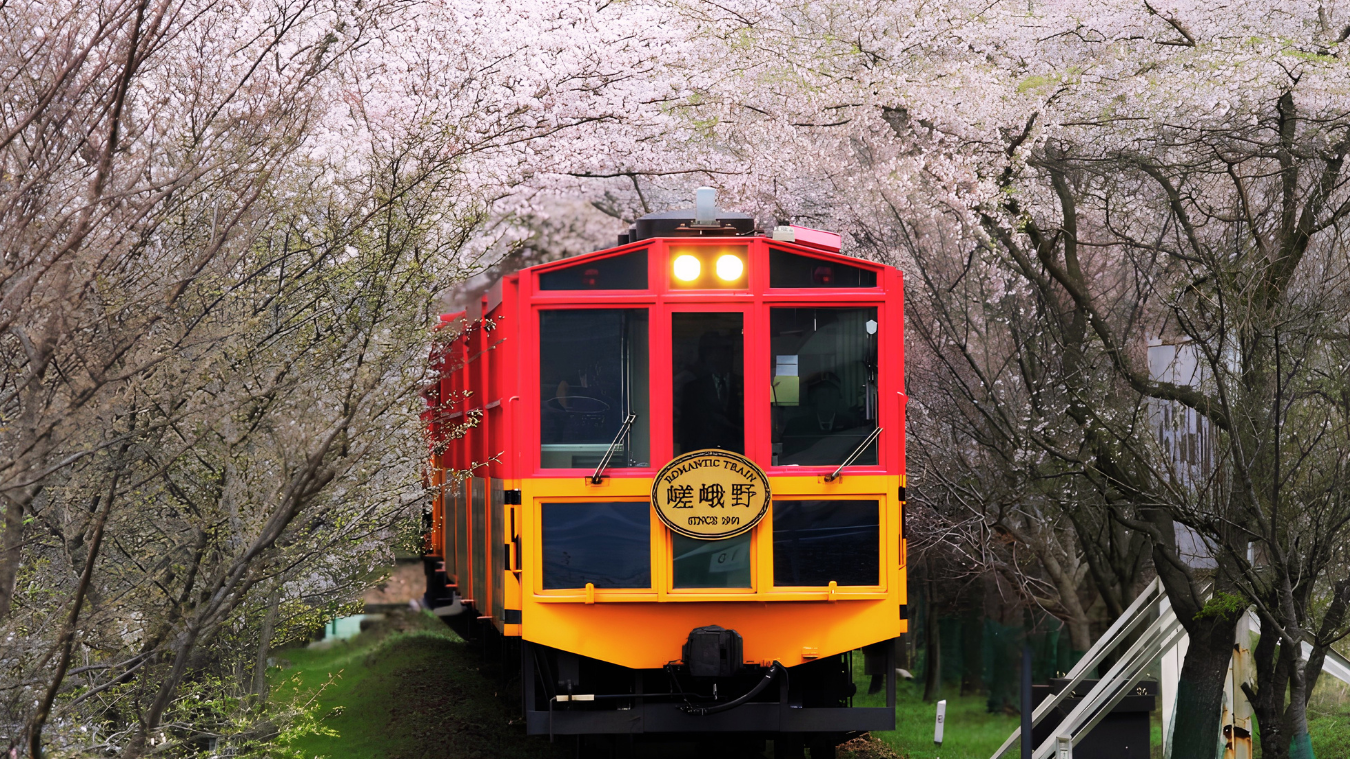
Japan has hundreds of memorable train journeys, but sightseeing trains take the experience a step further. These special services are designed around scenery, regional food, unique interiors, local culture or simply the pleasure of traveling by rail.
Some are luxurious limited express trains with panoramic windows and onboard dining, while others are small local trains running through mountains, coastlines and rural communities that most visitors would otherwise never see.
Why Ride a Sightseeing Train in Japan?
Sightseeing trains are one of the easiest ways to add something special to a Japan rail itinerary without completely changing your route.
Many can be incorporated into trips between major destinations, while others make excellent day trips or overnight excursions from cities such as Tokyo, Kyoto, Osaka, Sapporo and Fukuoka.
What You’ll Find in This Guide
- Best sightseeing trains by region
- Scenic, luxury and family-friendly trains
- JR and private-railway sightseeing services
- Reservation and ticket-planning tips
- Links to our detailed regional sightseeing-train guides
Best Sightseeing Trains in Japan by Region
Japan’s sightseeing trains are spread throughout the country. The best choice depends on where your itinerary takes you, so use the regional overview below as a starting point.
| Region | What to Expect | Good For |
|---|---|---|
| Hokkaido | Wide landscapes, seasonal trains and remote scenery | Nature, winter travel and long scenic journeys |
| Tohoku | Mountain scenery, local culture and character trains | Families, rural Japan and less-crowded routes |
| Kanto | Easy day trips from Tokyo and mountain railways | Short trips and first-time visitors |
| Chubu & Hokuriku | Alpine scenery, mountain railways and distinctive JR trains | Scenery, rail enthusiasts and regional itineraries |
| Kansai | Kyoto scenery, luxury trains and historic destinations | Kyoto, Osaka, Nara and Mount Koya trips |
| Chugoku | Coastal routes, rural landscapes and regional trains | Western Japan itineraries |
| Shikoku | Small scenic railways, rivers, mountains and themed trains | Slow travel and off-the-beaten-path Japan |
| Kyushu | Some of Japan’s most creative and luxurious sightseeing trains | Food, design, scenery and premium rail experiences |
Which scenic train fits your Japan trip?
Compare five scenic train rides by departure area, journey time, reservation needs and how easily they fit into your itinerary. Explore the scenic train comparison guide →
Featured Regional Sightseeing Train Guides
Chubu & Hokuriku Sightseeing Trains
Discover mountain and countryside rail experiences including the Kurobe Gorge Railway, Bell Montagnes et Mer, Koshino Shu*Kura, HIGH RAIL 1375 and Resort View Furusato.
Kansai Sightseeing Trains
Explore the Sagano Romantic Train, AONIYOSHI, Shimakaze, GRAN TENKU and the Tango sightseeing trains of northern Kyoto.
Hokkaido Sightseeing Trains
Hokkaido’s enormous landscapes make it one of the best parts of Japan for scenic rail travel. Seasonal trains cross wetlands, flower fields, snowy countryside and the dramatic coastline of northern Japan.
Limited Express Niseko
Limited Express Niseko is a seasonal scenic train between Sapporo and Hakodate via Otaru, Yoichi, Kutchan and Niseko.
It is a particularly attractive autumn journey, with views of Mt. Yotei, Ishikari Bay and western Hokkaido along a slower route than the regular Limited Express Hokuto.
SL Fuyu-no-Shitsugen Train
This winter steam train runs through the snowy landscapes around Kushiro and the Kushiro Wetlands.
The combination of a historic steam locomotive, snow-covered scenery and classic passenger cars makes it one of Japan’s most atmospheric winter rail experiences.
Ryuhyo Monogatari
Operating during the drift-ice season around eastern Hokkaido, Ryuhyo Monogatari provides views of the Sea of Okhotsk between Abashiri and the Shiretoko area.
It is especially worthwhile when drift ice reaches the coast during the heart of winter.
Furano Lavender Express
The seasonal Furano Lavender Express provides direct travel between Sapporo and Furano during the summer sightseeing season.
It is one of the easiest ways to incorporate Furano and Biei into a Hokkaido rail itinerary without renting a car.
Hokkaido Trains Are Highly Seasonal
Many Hokkaido sightseeing trains operate only during specific periods such as summer flower season, autumn or winter.
Always check the current JR Hokkaido operating calendar before building your itinerary around one particular train.
Tohoku Sightseeing & Joyful Trains
Northern Honshu has some of Japan’s best JR sightseeing trains, combining dramatic coastlines, mountains, rural scenery and distinctive onboard experiences.
Resort Shirakami
Resort Shirakami travels along the spectacular Gono Line between the Akita and Aomori areas, with views of the Sea of Japan and the Shirakami Mountains.
Spacious windows, observation areas and regional performances make this one of the best sightseeing trains for travelers exploring northern Japan.
POKÉMON with YOU Train
One of Japan’s most family-friendly trains, POKÉMON with YOU features Pikachu-themed interiors, reserved seating and an onboard play area.
The train currently operates on selected Tohoku routes, including services toward Kesennuma and other destinations on special operating days.
SATONO & Hinabi
JR East also operates newer Joyful Trains such as SATONO and Hinabi, designed around regional scenery, culture and slower journeys through Tohoku.
They are good examples of why Tohoku is particularly rewarding for travelers who want to explore beyond the major Shinkansen stations.
One of the Best Regions for JR Pass Holders
Several JR East Joyful Trains can be used with eligible JR rail passes when traveling within the pass coverage area, although advance seat reservations are still required on reserved-seat services.
Kanto Sightseeing Trains
You do not need to travel far from Tokyo to experience a memorable sightseeing train. Kanto offers luxury coastal trains, premium services to Nikko and traditional steam locomotives through the countryside.
SAPHIR ODORIKO
SAPHIR ODORIKO is JR East’s premium train from the Tokyo area toward the Izu Peninsula.
The train features Green Car seating throughout, Premium Green seats, private compartments and a cafeteria, with attractive coastal scenery as the train travels toward Izu.
SPACIA X
Tobu Railway’s SPACIA X connects Asakusa with the Nikko and Kinugawa Onsen areas.
Its distinctive interior includes several seating styles and a café counter serving drinks and products inspired by the Nikko region.
SL Taiju
Tobu Railway’s SL Taiju offers an easy-to-access steam-train experience in the Nikko and Kinugawa Onsen area.
Most services operate between Shimo-imaichi and Kinugawa Onsen, with selected SL Taiju Futara services also connecting with Tobu-Nikko.
Easy Sightseeing-Train Trips from Tokyo
Kanto is a particularly good place to try a sightseeing train if you do not want to restructure your entire Japan itinerary.
Nikko, Izu and Gunma can all be incorporated into trips beginning in or around Tokyo.
Chugoku Sightseeing Trains
Western Honshu offers sightseeing trains through the Seto Inland Sea, historic towns, rural Okayama, the Sanin coast and the mountains of Yamaguchi.
Chugoku is particularly rewarding for travelers heading beyond Hiroshima, because several special trains turn lesser-known regional routes into memorable parts of the journey.
etSETOra
etSETOra explores the Seto Inland Sea side of Hiroshima Prefecture, combining coastal scenery with a comfortable sightseeing-oriented interior.
It is a particularly attractive addition to a western Japan itinerary that already includes Hiroshima and the Setouchi region.
La Malle de Bois
Based in Okayama, La Malle de Bois is an art-themed sightseeing train whose name means “wooden suitcase.”
Depending on the operating day, different versions travel from Okayama toward destinations such as Uno, Mihara, Hinase and Kotohira.
SAKU美SAKU楽
SAKU美SAKU楽 travels on the Tsuyama Line between the Okayama and Tsuyama areas, introducing visitors to the countryside and culture of northern Okayama Prefecture.
It is a good choice for travelers looking for a quieter regional rail experience away from Japan’s main tourist corridor.
SL Yamaguchi
SL Yamaguchi recreates the atmosphere of classic Japanese railway travel with a steam-hauled journey through Yamaguchi Prefecture.
It is one of the best sightseeing-train choices in western Japan for railway enthusiasts and families interested in historic trains.
Operating Days Vary
Many Chugoku sightseeing trains operate only on selected weekends, holidays or seasonal dates. Check the current JR West operating calendar before arranging accommodation around a particular train.
Shikoku Sightseeing Trains
Shikoku may have a smaller railway network than Honshu or Kyushu, but it has some of Japan’s most thoughtfully designed sightseeing trains.
Routes pass beside the Seto Inland Sea, through deep mountain valleys and across rural landscapes, with many trains emphasizing regional food and local hospitality.
Iyonada Monogatari
Iyonada Monogatari travels from Matsuyama along the scenic Yosan Line toward Iyo-Ozu and Yawatahama.
Large windows, elegant interiors, coastal scenery and optional meals make it one of Shikoku’s signature rail experiences.
Shikoku Mannaka Sennen Monogatari
This premium sightseeing train crosses the mountainous interior of Shikoku between the Oboke and Kotohira/Tadotsu areas.
The journey combines dramatic valleys and mountain scenery with carefully designed interiors, regional cuisine and onboard hospitality.
Shikoku Tosa Toki no Yoake no Monogatari
This sightseeing train explores Kochi Prefecture between Kochi and Kubokawa, introducing passengers to the scenery, food and culture of southern Shikoku.
Seto-Ohashi Anpanman Trolley
Families should also look at JR Shikoku’s Anpanman trains, especially the Seto-Ohashi Anpanman Trolley.
The combination of character-themed interiors and views while crossing the Seto Ohashi Bridge makes it a memorable choice for younger children.
Shikoku Is Excellent for Slow Rail Travel
The island’s sightseeing trains work particularly well when you allow several days for Shikoku rather than trying to fit one train into a rushed day trip from Honshu.
Kyushu Sightseeing & Design Trains
Kyushu has one of Japan’s most impressive collections of special trains. JR Kyushu calls many of them “Design & Story Trains,” with each service built around a destination, landscape or regional theme.
If sightseeing trains are a major reason for your Japan trip, Kyushu is one of the easiest regions in which to build an entire rail itinerary around them.
Yufuin no Mori
Yufuin no Mori is one of Japan’s best-known sightseeing limited expresses, linking Hakata with Yufuin and, on selected services, Beppu.
Its distinctive green train, elevated seating, large windows and resort atmosphere make the journey to Yufuin part of the experience.
TWO STARS 4047
TWO STARS 4047 explores western Kyushu between the Takeo-Onsen and Nagasaki areas using different scenic routes during the morning and afternoon journeys.
The train combines coastal scenery with locally inspired food, drinks and an elegant lounge car.
ASO BOY! & Kawasemi Yamasemi
The Kumamoto and Aso area offers several memorable trains through central Kyushu’s volcanic landscape.
ASO BOY! is especially family-friendly, while Kawasemi Yamasemi offers a more relaxed sightseeing experience on selected operating days.
Ibusuki no Tamatebako
Ibusuki no Tamatebako runs south from Kagoshima toward the hot-spring resort of Ibusuki.
Its distinctive black-and-white exterior and views across Kagoshima Bay make it one of southern Kyushu’s most recognizable sightseeing trains.
36+3
The premium 36+3 sightseeing train explores different parts of Kyushu on different operating days, combining rail travel with regional experiences, food and carefully designed interiors.
It is best treated as a special rail experience rather than ordinary transportation between two cities.
Reservations Are Important in Kyushu
Many JR Kyushu Design & Story trains are reserved-seat services and can be very popular during weekends, holidays and peak travel seasons.
If a particular train is essential to your itinerary, reserve it before finalizing the rest of that day’s plans.
Planning a Kyushu Rail Trip?
Kyushu is one of the best regions in Japan for sightseeing trains, with everything from family-friendly services to premium Design & Story trains.
How to Choose a Sightseeing Train in Japan
The best sightseeing train depends less on which train is the most famous and more on where it fits naturally into your Japan itinerary.
| If You Want… | Good Choices |
|---|---|
| Mountain scenery | Kurobe Gorge Railway, HIGH RAIL 1375, Shikoku Mannaka Sennen Monogatari |
| Coastal scenery | Resort Shirakami, Iyonada Monogatari, Tango sightseeing trains |
| A luxury rail experience | Shimakaze, 36+3, KUROMATSU |
| A family-friendly train | POKÉMON with YOU, ASO BOY!, Seto-Ohashi Anpanman Trolley |
| An easy trip from Kyoto | Sagano Romantic Train, AONIYOSHI |
| An easy trip from Tokyo | SAPHIR ODORIKO, SPACIA X, SL Gunma |
| Historic railway atmosphere | SL Yamaguchi, SL Fuyu-no-Shitsugen, SL Gunma |
| Food and regional cuisine | KUROMATSU, 36+3, Iyonada Monogatari, Shikoku Mannaka Sennen Monogatari |
Fit the Train Into Your Route
In most cases, the best strategy is to choose a sightseeing train that already fits the region you plan to visit rather than traveling across Japan solely to ride one train.
For example, combine the Sagano Romantic Train with an Arashiyama day, Shimakaze with an Ise-Shima trip, GRAN TENKU with Mount Koya or Yufuin no Mori with a Kyushu itinerary.
Does the Japan Rail Pass Cover Sightseeing Trains?
Sometimes. Whether a sightseeing train is covered depends on the railway operator, route, seat type and the rail pass you are using.
JR-Operated Sightseeing Trains
Many sightseeing trains operated by JR companies can be ridden with the nationwide Japan Rail Pass or an eligible regional JR pass when the train and route fall within the pass coverage area.
Reserved-seat sightseeing trains still require a seat reservation even when the journey itself is covered by your rail pass.
Private Railway Sightseeing Trains
Trains operated by companies such as Kintetsu, Nankai, Tobu and Kyoto Tango Railway are generally not covered by the nationwide Japan Rail Pass.
These railway companies may offer their own regional passes or special sightseeing-train tickets.
Premium Seats and Dining Packages
Even when the basic rail journey is covered by a pass, premium seating, private rooms, dining packages or special onboard experiences may require an additional payment.
Check the Exact Train Before You Travel
Never assume that a sightseeing train is included simply because it runs on JR tracks. Check the current operator, route and ticket requirements before making your reservation.
How to Reserve Sightseeing Trains in Japan
Reservation rules vary much more for sightseeing trains than for ordinary Japanese trains. Some are normal reserved-seat services, while others use separate booking websites or complete travel and dining packages.
1. Check the Operating Calendar First
Many sightseeing trains do not operate every day. Some run only on weekends, holidays or during a particular season.
Confirm that your preferred train actually operates on your travel date before planning the rest of the itinerary.
2. Check When Reservations Open
Many Japanese reserved-seat trains open reservations approximately one month before travel, but sightseeing trains can have different booking periods.
Premium dining trains and travel packages may use completely different reservation schedules.
3. Reserve Popular Trains Early
Scenic trains can have very limited capacity. Cherry blossom season, autumn foliage, weekends and Japanese holiday periods are especially competitive.
4. Check Whether Your Rail Pass Covers the Journey
If you have a Japan Rail Pass or regional JR pass, check whether it covers the basic fare and reserved seat before buying a separate ticket.
Private railway trains normally require separate tickets even when you are also traveling with a JR Pass.
5. Treat Dining Trains Differently
Restaurant trains such as KUROMATSU and other premium services may be sold as complete experiences rather than ordinary train tickets.
Check cancellation policies, meal selections and boarding instructions carefully before booking.
Our Planning Tip
If riding a particular sightseeing train is one of the highlights of your Japan trip, reserve the train first and build that day’s sightseeing around the confirmed reservation.
Japan Sightseeing Train FAQ
What is a sightseeing train in Japan?
A sightseeing train is a railway service designed to make the journey itself part of the travel experience. Features may include panoramic windows, unusual interiors, regional food, observation areas, entertainment or slower running through scenic areas.
What is the best sightseeing train for a first trip to Japan?
There is no single best train, but the Sagano Romantic Train is one of the easiest to incorporate into a first visit because it fits naturally into an Arashiyama sightseeing day from Kyoto.
Travelers visiting Kyushu should also consider Yufuin no Mori, while Resort Shirakami is an excellent choice for a northern Japan itinerary.
Are sightseeing trains good for families?
Yes. Many work very well for children, particularly trains with themed interiors, large windows or play areas.
POKÉMON with YOU, ASO BOY! and the Seto-Ohashi Anpanman Trolley are particularly family-oriented.
Do sightseeing trains need reservations?
Many do, but not all. Some are all-reserved services, while others can be ridden like an ordinary local train.
Premium dining trains usually require advance reservations and may be sold as complete meal or travel packages.
Can I ride sightseeing trains with a Japan Rail Pass?
Some JR-operated sightseeing trains are covered when the route and seat type fall within your pass conditions.
Private railway sightseeing trains such as AONIYOSHI, Shimakaze, GRAN TENKU and SPACIA X are not covered by the nationwide JR Pass.
What is the best season for sightseeing trains in Japan?
Every season offers something different. Spring brings cherry blossoms and fresh greenery, summer is ideal for Hokkaido and mountain routes, autumn provides spectacular foliage, and winter brings snow trains and seasonal services in northern Japan.
Because many trains operate seasonally, the best choice depends on both your destination and travel dates.
How far in advance should I book?
For popular reserved-seat trains, start checking reservations around one month before travel. Some premium and dining trains use different booking windows, so check the official website for the exact service.
Are sightseeing trains expensive?
Not necessarily. Some cost little more than an ordinary train ticket, while luxury trains and dining experiences can be considerably more expensive.
You can enjoy Japanese sightseeing trains at almost every budget level.
Related Japan Train Travel Guides
Chubu & Hokuriku Sightseeing Trains
Discover scenic mountain railways and distinctive sightseeing trains across central Japan, including the Kurobe Gorge Railway, HIGH RAIL 1375 and Resort View Furusato.
Kansai Sightseeing Trains
Ride the Sagano Romantic Train, AONIYOSHI, Shimakaze, GRAN TENKU and the scenic Tango trains of northern Kyoto.
Japan Train Itineraries
Browse practical rail itineraries for exploring Japan, from short regional trips to longer journeys connecting Tokyo, Kyoto, Hokkaido, Kyushu and destinations in between.
JR Regional Passes
Compare regional rail passes for Hokkaido, Tohoku, Hokuriku, Kansai, Kyushu and other parts of Japan to find the best option for your route.
Before You Buy a JR Pass
Compare the cost of your planned train journeys with the current JR Pass price. Depending on your route, individual tickets or a regional pass may offer better value.
Check Current JR Pass PricesAbout Train Travel Japan
Train Travel Japan is written from firsthand experience traveling throughout Japan by rail. I am a Japanese native based in Canada and have traveled to all 47 prefectures of Japan over more than 30 years.
My goal is to make Japan train travel easier to understand, especially for international visitors planning JR Pass trips, regional rail journeys and independent itineraries.